
Subscription Traps and How to Spot Them Early

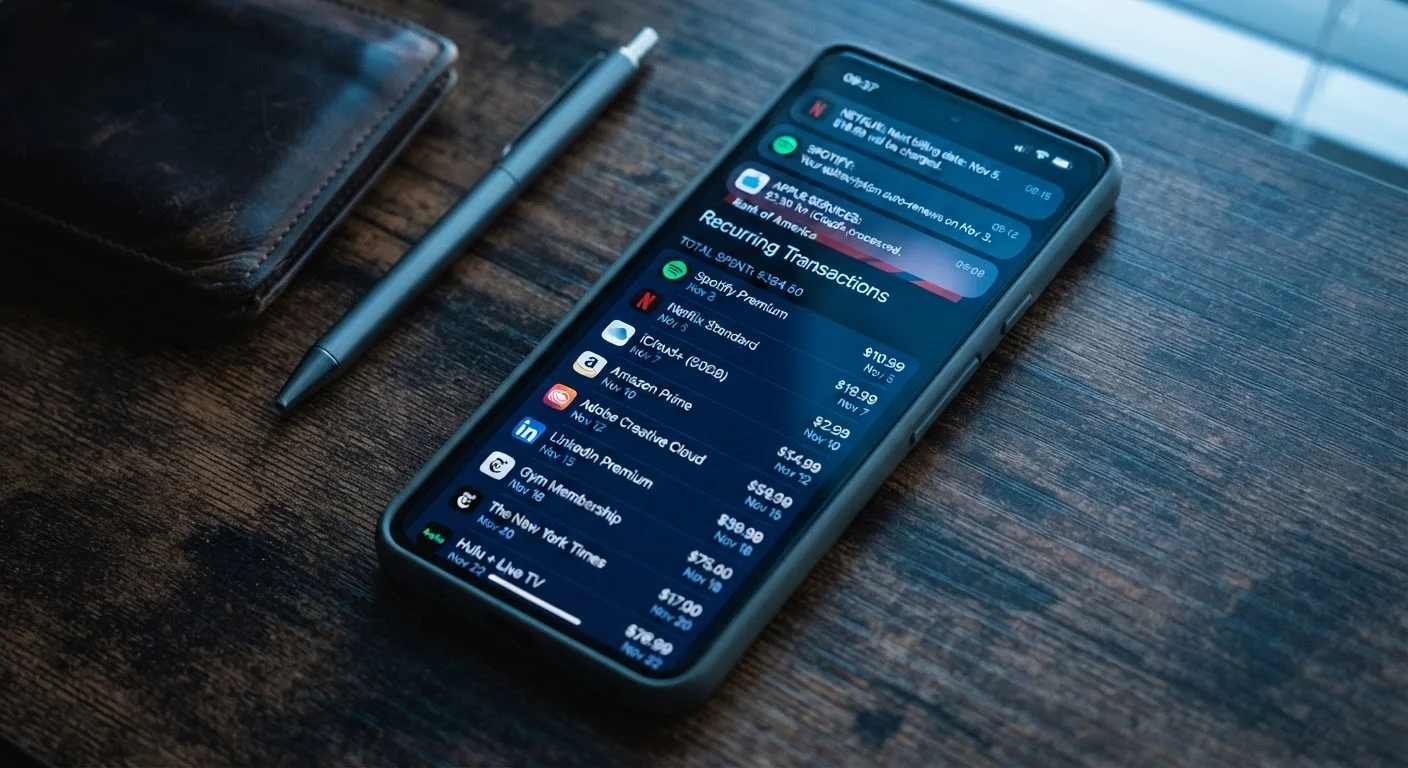
Photo: TotemBuzz.com | Your Lifestyle Companion editorial
Key Takeaways
- Free trials almost always require payment details upfront and convert automatically unless cancelled.
- Pre-checked boxes and buried fine print are common tactics used to enroll you without clear consent.
- Regularly auditing your bank and card statements is the most reliable way to catch unwanted charges.
- Cancellation processes are often intentionally difficult — know the steps before you sign up.
Why Subscription Traps Are So Effective
Subscriptions aren't inherently problematic — many deliver genuine ongoing value. The issue arises when the enrollment process is designed to be easy and the exit is not. Services that rely on passive billing count on inertia: most people won't cancel something they barely remember signing up for.
The tactics used are rarely illegal, but they are deliberate. Vague trial terms, low introductory pricing that jumps after a few months, and multi-step cancellation flows are all features, not oversights. Understanding this shifts the dynamic — once you know what to look for, these traps are much easier to sidestep.
If you're also watching for other quiet financial risks, our complementary article on traps that quietly damage your credit score covers patterns worth knowing about alongside subscription vigilance.
~$32/mo
Average underestimate of monthly subscription spend
Consumer research has repeatedly found that people significantly underestimate what they spend on subscriptions — often by tens of dollars per month.
48%
Users who forget at least one active subscription
Surveys by financial technology researchers suggest nearly half of subscribers are actively paying for at least one service they had forgotten about.
Common Mistakes and How to Avoid Them
The mistakes below aren't signs of carelessness — they happen to careful people because the systems involved are designed to minimize friction at signup and maximize it at cancellation. Recognizing each pattern is the first step to staying in control.
Signing up for a free trial without tracking the end date.
Ignoring pre-checked boxes during checkout or account creation.
Losing track of bundled subscriptions included with another purchase.
Never reviewing bank or credit card statements for recurring charges.
Assuming a cancelled account also stopped all billing.
Your Card Details Are the Commitment
Practical Habits That Keep You in Control
Beyond avoiding individual mistakes, a few steady habits go a long way. First, treat your payment method as the last line of defense: many banks and credit card issuers allow you to set alerts for any new recurring charge. Enable these — they act as an early warning system without requiring you to remember every service manually.
Second, consider using a dedicated card or virtual card number for free trials. Some financial apps offer virtual card numbers that can be paused or deleted, cutting off billing cleanly. This is especially useful when you want to try a service but aren't sure you'll keep it.
Cancellation Isn't Always One Click Away
Third, be aware that app-based subscriptions managed through mobile platforms have their own cancellation paths. On iOS, subscriptions are managed through Apple ID settings; on Android, through the Google Play account menu. Neither is obvious to first-time users. Our article on managing app notifications also touches on how apps communicate billing activity — knowing how to read those signals helps you stay informed.
Finally, the broader shopping environment around subscriptions is worth understanding. The upsell playbook explains how add-ons and upgrades are framed to nudge you toward spending more — a pattern that shows up in subscription upsells too.
This article is for general informational purposes only and does not constitute financial or legal advice. For questions about billing disputes or consumer rights in your region, consult your card issuer or a qualified consumer protection resource.
The content on this site is for informational purposes only and is not a substitute for professional advice. Always consult a qualified professional for guidance specific to your situation.