
The 50/30/20 Rule Explained

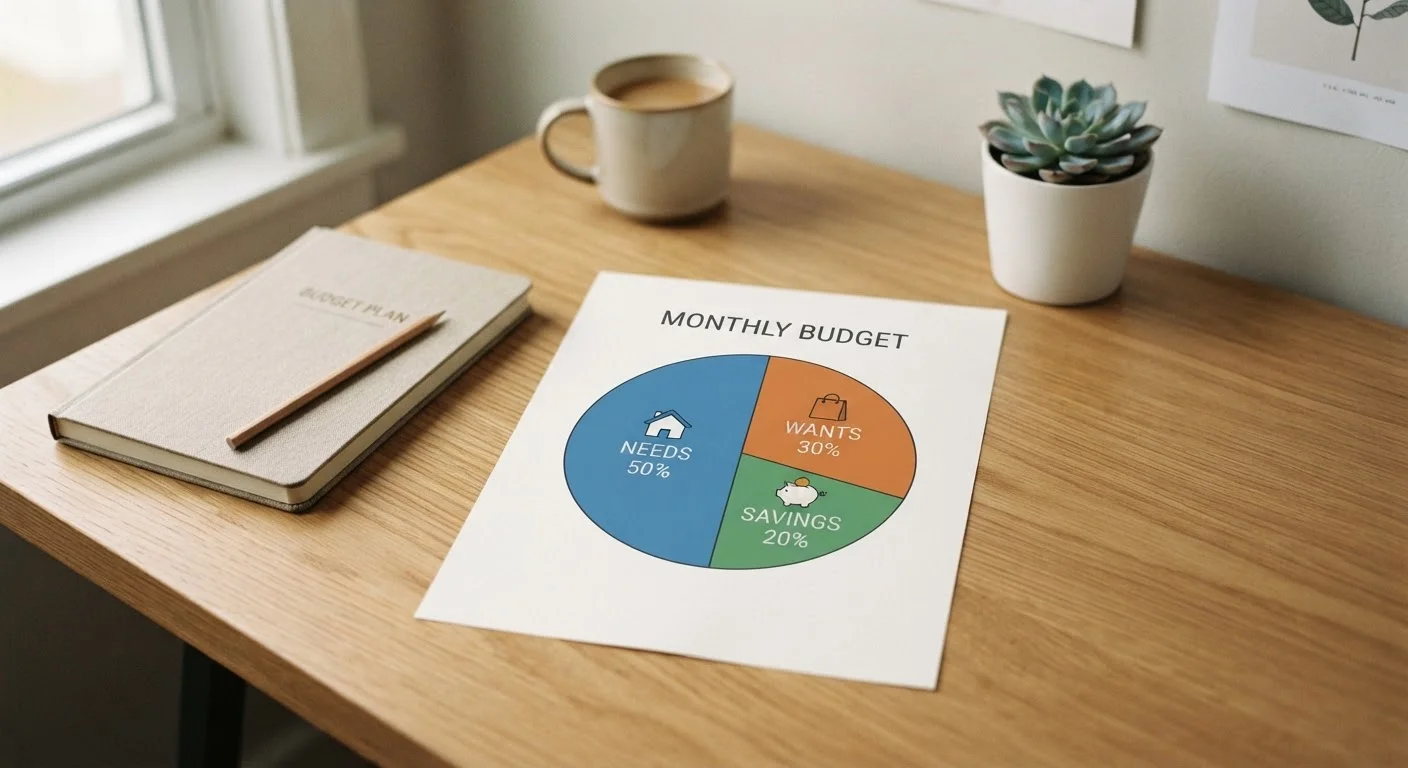
Photo: TotemBuzz.com | Your Lifestyle Companion editorial
Key Takeaways
- The 50/30/20 rule splits after-tax income into needs (50%), wants (30%), and savings or debt payoff (20%).
- It works best as a flexible starting point, not a rigid prescription for every financial situation.
- Needs include essentials like rent, utilities, and groceries; wants are optional lifestyle spending.
- The 20% savings bucket can cover emergency funds, retirement contributions, or extra debt payments.
- High-cost-of-living areas or lower incomes may require adjusting the percentages to fit reality.
- Consulting a licensed financial professional can help tailor any budgeting approach to your specific goals.
Breaking Down the Three Categories
The 50/30/20 rule organizes every dollar of your after-tax income into one of three buckets. Understanding what belongs in each bucket is the foundation of making the framework work for you.
Needs (50%)
Needs are expenses you cannot reasonably avoid — the essentials required to live and work. Common examples include:
- Rent or mortgage payments
- Utilities (electricity, water, heat)
- Groceries and basic food
- Health insurance premiums
- Minimum debt payments (such as student loans or credit card minimums)
- Transportation to work
The key question is whether you would face serious hardship if you cut the expense. If yes, it's likely a need. For a deeper look at drawing this line, see our guide on needs vs. wants in your budget.
Wants (30%)
Wants are discretionary — things that improve your quality of life but aren't strictly required. Dining out, streaming subscriptions, vacations, and new clothing beyond the basics all fall here. This category isn't about eliminating enjoyment; it's about giving that spending a defined boundary.
Savings and Debt Repayment (20%)
The final 20% builds your financial future. This bucket can include contributions to an emergency fund, retirement accounts such as a 401(k) or IRA, and extra payments toward high-interest debt beyond the minimums. The Saving & Credit hub offers foundational guidance on building these habits.
Start by Tracking Before You Budget
How to Apply It to Your Own Paycheck
Applying the rule starts with one number: your monthly after-tax income. If your paycheck varies, use a conservative average. From there, the math is straightforward:
- Multiply your take-home pay by 0.50 — that's your needs ceiling.
- Multiply by 0.30 — that's your wants ceiling.
- Multiply by 0.20 — that's your savings and debt-payoff target.
For example, if your after-tax monthly income is $3,500, the buckets would be: $1,750 for needs, $1,050 for wants, and $700 for savings and extra debt payments.
Once you have those numbers, compare them against what you actually spend. Many people discover their needs category is already above 50%, particularly if they live in high-cost metro areas where rent alone can consume a large share of income. That's not a failure — it's useful information that tells you where to focus adjustments.
If you've never built a budget before, our step-by-step first budget walkthrough can help you list your income and expenses before applying the percentages.
57%
Americans who don't follow a budget
According to a Gallup survey, the majority of U.S. adults do not maintain a detailed household budget, highlighting how common it is to start from scratch.
3–6 months
Recommended emergency fund target
Many financial educators, including those at the Consumer Financial Protection Bureau (CFPB), suggest saving three to six months of essential expenses as a baseline financial cushion.
When the Rule Works Well — and When to Adjust
The 50/30/20 rule is best understood as a starting framework, not a universal solution. It works particularly well for beginners who want structure without the burden of tracking every transaction. Its simplicity also makes it easier to stick with over time.
However, it has real limitations. People with very low incomes may find that needs alone exceed 50% of take-home pay, leaving little room for savings. Conversely, higher earners may find 30% for wants far more than they need, and could direct more toward savings or investing. Our article comparing savings strategies side by side shows how the 50/30/20 approach stacks up against alternatives like pay-yourself-first and zero-based budgeting.
Common reasons to modify the standard ratios:
- High housing costs: Adjust needs to 60% temporarily while working toward a lower rent or higher income.
- Aggressive debt payoff: Shift some of the wants allocation into the 20% bucket until high-interest debt is eliminated.
- Saving for a major goal: Temporarily reduce wants to 20% and boost savings to 30% for a defined period.
The Percentages Are Averages, Not Absolutes
The framework is a guide. Adjusting the percentages doesn't mean you've abandoned the rule — it means you're applying it thoughtfully. Once your situation stabilizes, you can return to the standard split or explore other methods like the envelope method.
This article is for general informational and educational purposes only and does not constitute personalized financial advice. Consult a qualified financial professional for guidance tailored to your individual circumstances.
Frequently Asked Questions
The content on this site is for informational purposes only and is not a substitute for professional advice. Always consult a qualified professional for guidance specific to your situation.