
Power of Attorney Explained

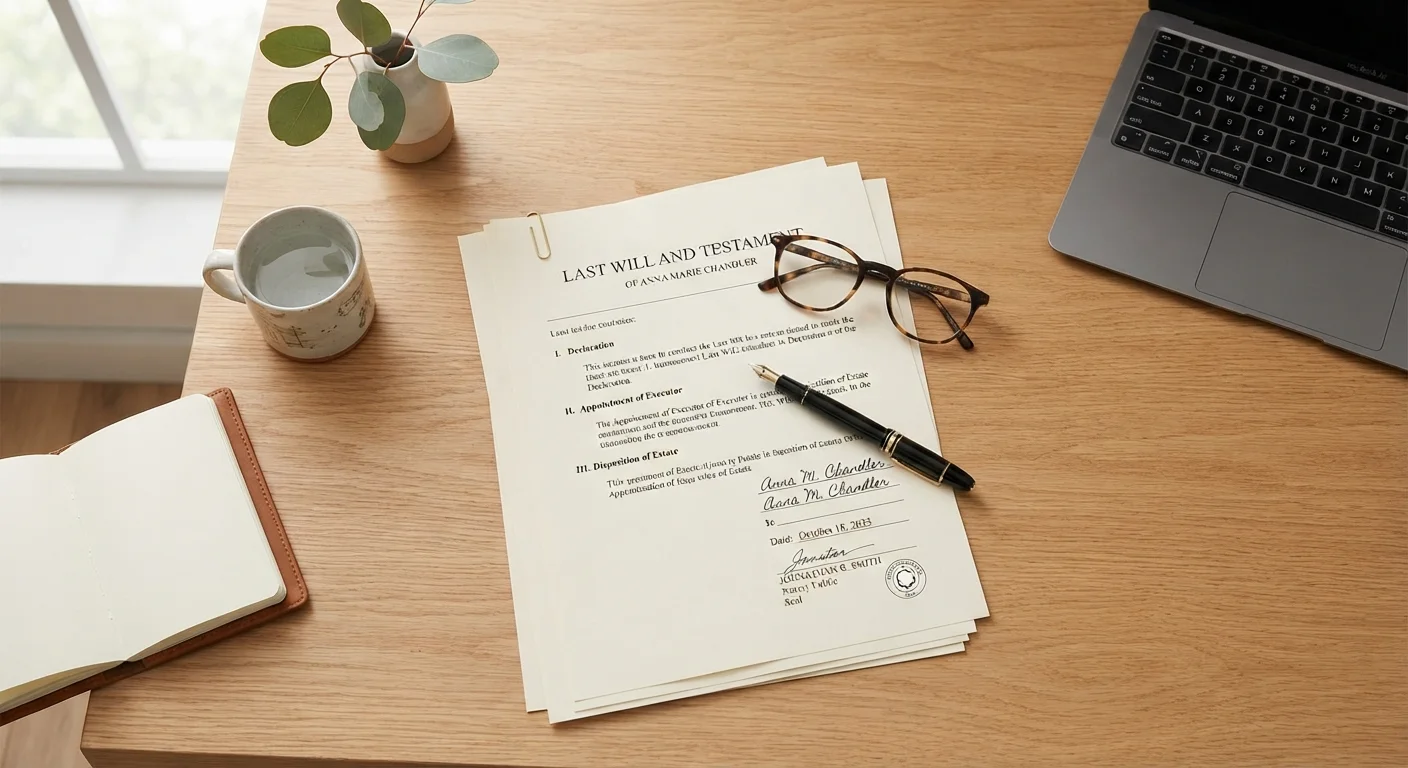
Photo: TotemBuzz.com | Your Lifestyle Companion editorial
Key Takeaways
- A power of attorney lets a trusted person act on your behalf in legal or financial matters.
- There are several types of POA, each designed for different situations and levels of authority.
- A durable POA stays in effect even if you become incapacitated — a standard POA does not.
- You must have mental capacity when you sign a POA; you cannot create one after losing capacity.
- State laws govern POA requirements, so the rules differ depending on where you live.
What a Power of Attorney Actually Does
Think of a power of attorney as a permission slip — one that carries legal weight. When you sign one, you're officially authorizing someone else to step into your shoes for specific decisions. That person could pay your bills while you're recovering from surgery, handle a real estate closing you can't attend, or make medical decisions if you're unable to speak for yourself.
The key thing to understand is that the principal — the person granting the authority — stays in control of what the agent can and can't do. A POA doesn't hand over ownership of your assets or strip away your rights. It simply creates a legal channel for someone you trust to act on your behalf. Understanding how legal authority like this works connects to broader ideas about what it means to hold a legal right.
Name a Backup Agent
The Main Types of Power of Attorney
Not all POAs work the same way. The type you need depends on your situation and how much authority you want to grant.
- General POA: Covers a broad range of financial and legal decisions. It ends automatically if the principal becomes incapacitated.
- Durable POA: Includes special language keeping it active even if the principal loses mental capacity. This is commonly used in long-term care planning.
- Limited (or Special) POA: Covers one specific task or a defined timeframe — like authorizing someone to sign documents at a real estate closing on your behalf.
- Springing POA: Only takes effect when a specific event occurs, such as a physician certifying that the principal is incapacitated.
- Healthcare POA: Specifically grants authority over medical decisions. This is sometimes called a healthcare proxy or medical POA, depending on the state.
~60%
Adults without basic estate planning documents
Surveys by Caring.com and similar organizations consistently find that a majority of American adults do not have a will, power of attorney, or healthcare directive in place.
50
Different state laws governing POA rules
Every U.S. state has its own statutes covering how a power of attorney must be executed, witnessed, and notarized, making state-specific guidance essential.
When and Why People Use a POA
A power of attorney isn't just for the elderly or seriously ill — it's a practical tool for many everyday situations. Someone deployed overseas might use a limited POA so a family member can handle their finances at home. A person scheduled for major surgery might set up a healthcare POA in advance, just in case. A business owner who travels frequently might give a trusted partner authority to sign contracts in their absence.
Estate planning is perhaps the most common reason people set one up. Without a durable POA in place, if you become incapacitated, your family may have to go through a court process called guardianship or conservatorship to gain legal authority over your affairs — a process that can be expensive and time-consuming.
What to Know Before Signing
A few practical points matter a great deal when creating a POA:
- You must have capacity when you sign. The document is only valid if you were mentally competent at the time of signing. You cannot create a POA after losing the ability to make decisions.
- State rules vary. Most states require notarization, some require witnesses, and a few have mandatory forms for certain types of POA. Because jurisdiction shapes which laws apply, always check your state's specific requirements.
- Choose your agent carefully. Your agent has a legal duty — called a fiduciary duty — to act in your best interest, not theirs. Even so, choose someone you genuinely trust.
- It ends at death. A POA cannot authorize action after the principal dies. At that point, a will and executor take over.
POA vs. Guardianship: A Key Distinction
This article is for general informational purposes only and is not legal advice. Consult a licensed attorney in your state for guidance specific to your situation.
Frequently Asked Questions
The content on this site is for informational purposes only and is not a substitute for professional advice. Always consult a qualified professional for guidance specific to your situation.