
What It Actually Means to Have a Legal Right

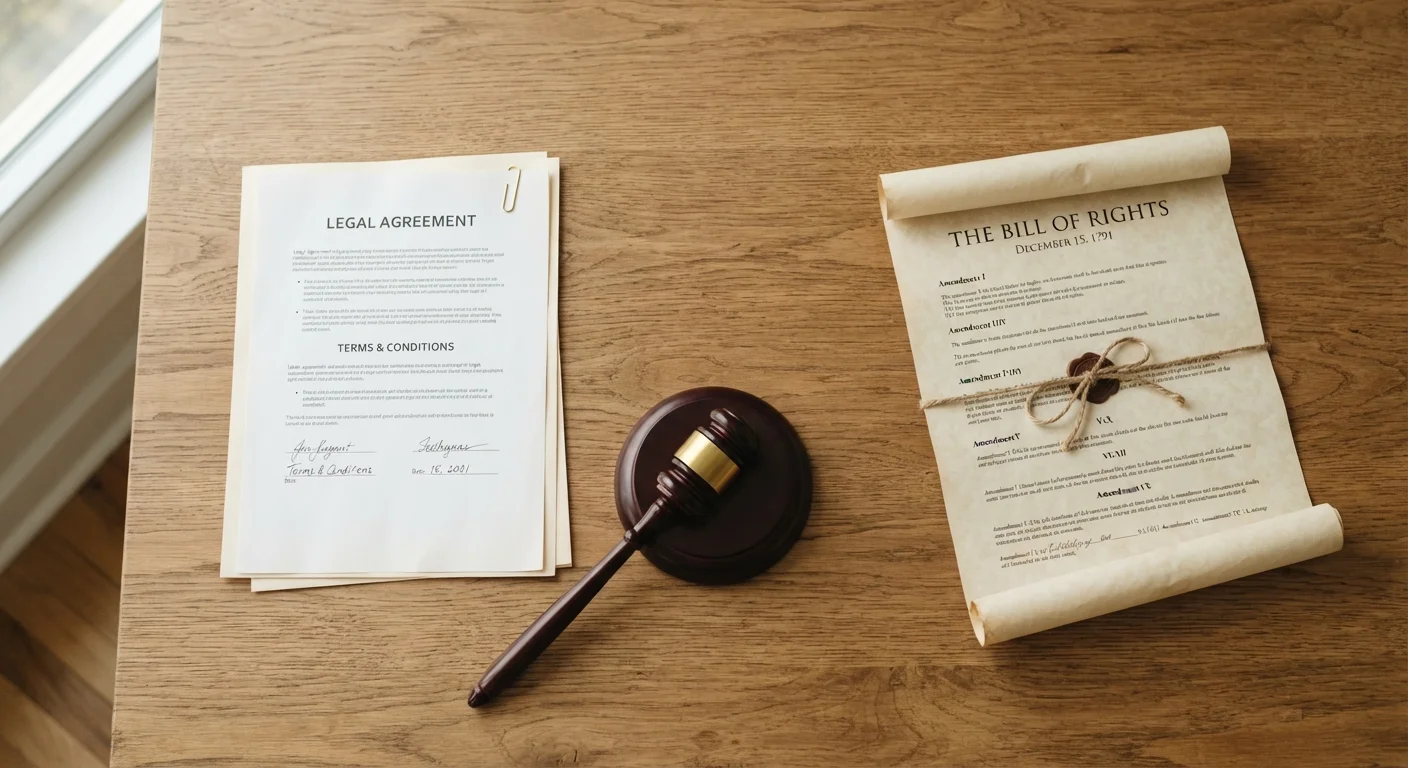
Photo: TotemBuzz.com | Your Lifestyle Companion editorial
Key Takeaways
- Legal rights come from different sources: the Constitution, statutes, and contracts.
- Constitutional rights limit what the government can do to you — not what private individuals must do.
- Statutory rights are created by laws passed at the federal or state level and can be expanded or narrowed over time.
- Contractual rights arise from agreements you sign and only bind the parties involved.
- Having a right doesn't automatically enforce itself — you usually have to take action to assert it.
Rights Aren't One-Size-Fits-All
When someone says "I have a right to that," they could mean several very different things. Legal rights aren't a single category — they come from different sources, protect you in different situations, and are enforced in different ways. Understanding what kind of right you're dealing with is often the first step toward knowing what you can actually do about it.
There are three main categories worth knowing: constitutional rights, statutory rights, and contractual rights. Each has its own rules about who it applies to, how it's created, and how it can be enforced. For a broader vocabulary foundation, our legal glossary for beginners is a useful companion.
Rights Can Overlap Across Categories
Constitutional Rights: Protection from Government
Constitutional rights are laid out in the U.S. Constitution and its amendments — the Bill of Rights being the most familiar example. These include things like freedom of speech, the right to a fair trial, and protection against unreasonable searches. State constitutions add another layer at the state level.
The critical thing to understand: constitutional rights protect you from the government, not from other private individuals or companies. The First Amendment stops the government from punishing your speech — it doesn't stop your employer, your landlord, or a social media platform from doing so. That distinction trips a lot of people up.
“The Constitution is not an instrument for the government to restrain the people; it is an instrument for the people to restrain the government.”
— Patrick Henry, American Founding-era statesman and orator
Statutory Rights: Created by Legislation
Statutory rights come from laws — called statutes — passed by Congress or state legislatures. These cover a wide range of everyday situations: your right to a minimum wage, protections against workplace discrimination, and consumer protections when you buy goods or services.
Unlike constitutional rights, statutory rights can be changed. Legislators can expand them, narrow them, or repeal them entirely, depending on what the political process produces. This is why the same activity might be protected in one state and unprotected in another. It's also why consumer rights — like your ability to return a defective product — aren't universal. Our overview of consumer rights for shoppers explains how statutory protections show up in everyday purchases.
50+
Federal civil rights statutes currently in force
The U.S. Department of Justice Civil Rights Division enforces dozens of federal statutes protecting rights across employment, housing, voting, and education.
50
State constitutions providing independent rights
Every U.S. state has its own constitution, which can grant residents rights beyond the federal floor — meaning your legal protections can vary significantly by location.
Contractual Rights: What You Agreed To
A contractual right is one you and another party created yourselves by signing an agreement. If your lease says your landlord must give you 30 days' notice before entering the property, that's a contractual right. If a warranty promises repairs for two years, you have a right to claim that service — but only from the company that signed the contract.
Contractual rights only bind the parties to the agreement. They don't apply to the general public, and they only last as long as the contract is in effect. Knowing what's actually in any contract you sign is essential — our guide on reading a contract without a law degree can help you navigate the key clauses. For a related angle, the piece on how warranties work shows how contractual and statutory rights can overlap.
Check Your Contract Before Assuming a Right
Having a Right Doesn't Mean It Enforces Itself
One of the most important things to understand about legal rights is that they're only useful if you exercise them. A right sitting on paper doesn't do much on its own. In most cases, you need to take an active step — filing a complaint with an agency, sending a formal notice, or pursuing a lawsuit — to get the protection you're entitled to.
The legal system also distinguishes between civil and criminal enforcement. Some rights are enforced by government prosecutors; others you have to pursue yourself in civil court. Our explainer on civil law vs. criminal law walks through that distinction clearly.
If you're unsure whether a right applies to your situation, consulting a licensed attorney is the most reliable path forward. Legal rights can be fact-specific, and a professional can tell you what actually applies to your circumstances.
This article is for general informational purposes only and is not legal advice. For guidance specific to your situation, consult a qualified attorney licensed in your jurisdiction.
Frequently Asked Questions
The content on this site is for informational purposes only and is not a substitute for professional advice. Always consult a qualified professional for guidance specific to your situation.