
Understanding Paint Finishes: Matte, Eggshell, Satin, and Gloss Explained

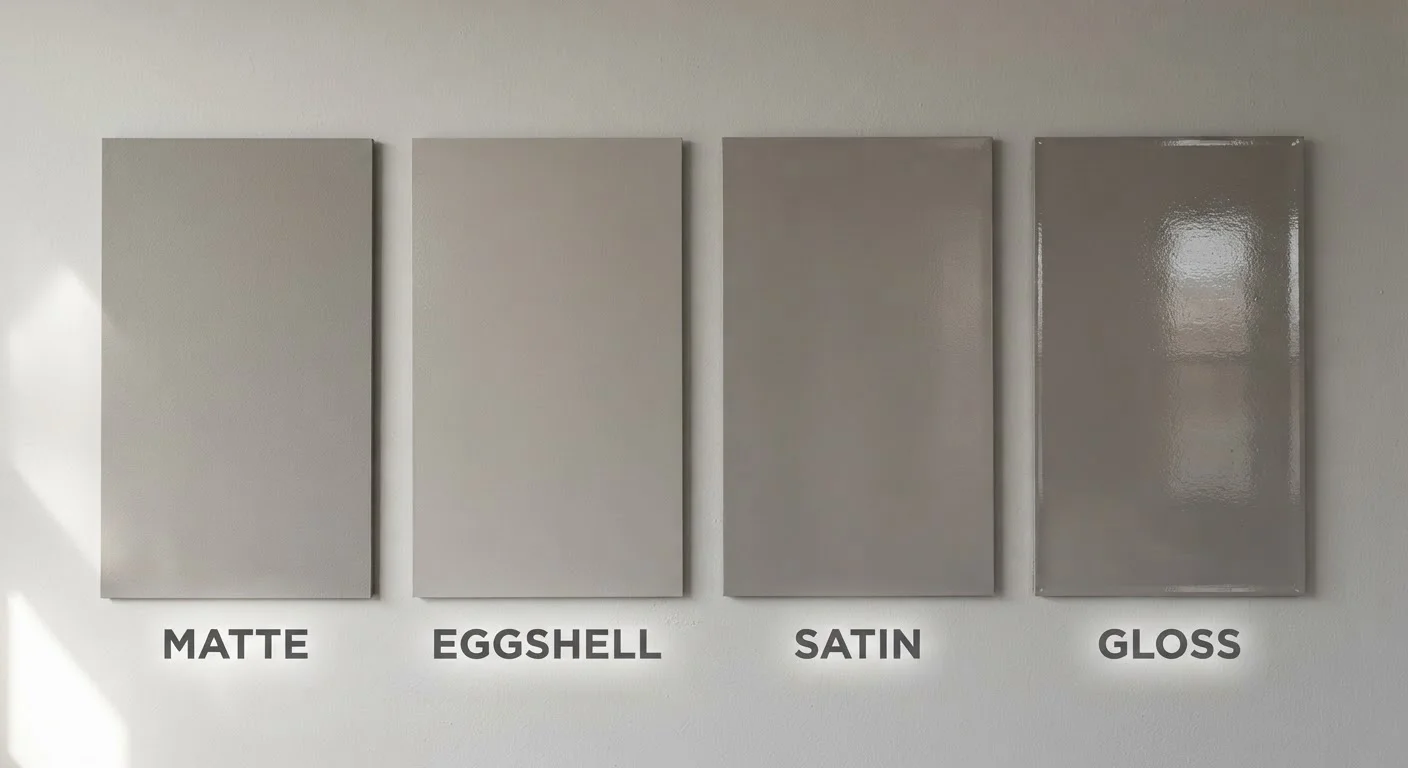
Photo: TotemBuzz.com | Your Lifestyle Companion editorial
Key Takeaways
- Matte finish hides wall imperfections but is harder to clean — best for low-traffic areas.
- Eggshell offers a subtle glow and light washability, making it a popular choice for living rooms.
- Satin is more durable and moisture-resistant, well-suited to kitchens, bathrooms, and hallways.
- Gloss reflects the most light and is the easiest to wipe down, ideal for trim and cabinetry.
- Choosing the wrong finish for a surface can shorten paint life and create maintenance headaches.
Why Finish Matters as Much as Color
Most first-time painters spend considerable time selecting the perfect colour — and then grab whatever paint can is nearest without considering the finish. That's a common oversight. The finish determines how light interacts with your walls, how well the surface holds up to daily life, and whether scuffs and moisture become a problem over time.
Think of finish as the protective character of the paint. Two walls painted the same colour in matte versus gloss will look and perform very differently. Getting this decision right from the start saves you from repainting sooner than necessary. For a deeper look at what else can go wrong before a brush even touches the wall, see our guide to preventing common paint failures.
Test Your Finish Before Committing
The Four Main Finishes: What Each One Does
Matte
Matte — sometimes labeled flat — reflects very little light, producing a smooth, velvety appearance that is excellent at disguising bumps, patches, and uneven texture. It is the go-to finish for ceilings and for bedroom walls where you want a quiet, understated look. The trade-off is low washability; repeated cleaning can dull or lift the surface.
Eggshell
Named for the barely-there sheen of an actual eggshell, this finish sits just above matte on the reflectivity scale. It handles light cleaning without protest and remains forgiving of minor surface flaws. Eggshell is widely used on living room and dining room walls for this balance of appearance and practicality.
Satin
Satin has a soft, pearl-like glow that is noticeably more reflective than eggshell. It resists moisture and can be scrubbed, making it a strong performer in kitchens, bathrooms, laundry rooms, and hallways. Because it reflects more light, surface imperfections such as old repair patches or uneven taping become more visible — good surface prep matters more here.
Semi-Gloss and Gloss
Semi-gloss and full gloss finishes are the most reflective and the most durable. They repel moisture effectively and wipe clean with minimal effort. These properties make them the standard choice for trim, baseboards, doors, window frames, and cabinetry. Full gloss is occasionally used as a deliberate design accent on a single feature wall, though it demands near-perfect surface preparation to look its best.
4
Major paint finish categories available
Most interior paint lines offer at least matte, eggshell, satin, and semi-gloss or gloss as standard finish options across their product ranges.
~60%
Of interior walls use eggshell or satin
Industry estimates suggest that eggshell and satin finishes together account for the majority of interior wall paint sold in the US, reflecting their balance of aesthetics and durability.
Matching Finish to Room and Surface
A useful rule of thumb: the more wear and moisture a surface is likely to encounter, the higher the sheen should be. Here's a straightforward room-by-room guide:
- Ceilings: Flat or matte — glare from a shiny ceiling is distracting, and ceilings rarely need scrubbing.
- Bedrooms: Matte or eggshell — these rooms see low traffic and benefit from a calm, soft appearance.
- Living and dining rooms: Eggshell — balances aesthetics with enough durability for regular use.
- Kitchens and bathrooms: Satin or semi-gloss — moisture resistance and easy cleaning are priorities.
- Trim, doors, and cabinets: Semi-gloss or gloss — hard surfaces that take physical contact every day.
Choosing colour direction for each room also plays a role in how a finish reads under different light conditions. Our article on selecting warm versus cool tones can help you think through both decisions together.
Surface Prep: The Step Finish Can't Fix
No finish compensates for a poorly prepared surface. Higher-sheen finishes in particular reveal every dent, ridge, and patched area because the reflected light skims across imperfections and throws them into relief. Before applying any paint, fill holes, sand smooth, and prime bare spots — especially if you are moving from a flat finish to a satin or gloss.
It is also worth noting that some finishes are not compatible with every substrate without a proper primer coat. If in doubt, consult the paint manufacturer's guidance and consider a separate primer step rather than relying solely on paint-and-primer-in-one products for challenging surfaces.
Sheen Names Vary by Manufacturer
Frequently Asked Questions
The content on this site is for informational purposes only and is not a substitute for professional advice. Always consult a qualified professional for guidance specific to your situation.