
Travel Insurance Explained: What It Covers and Why Beginners Often Skip It

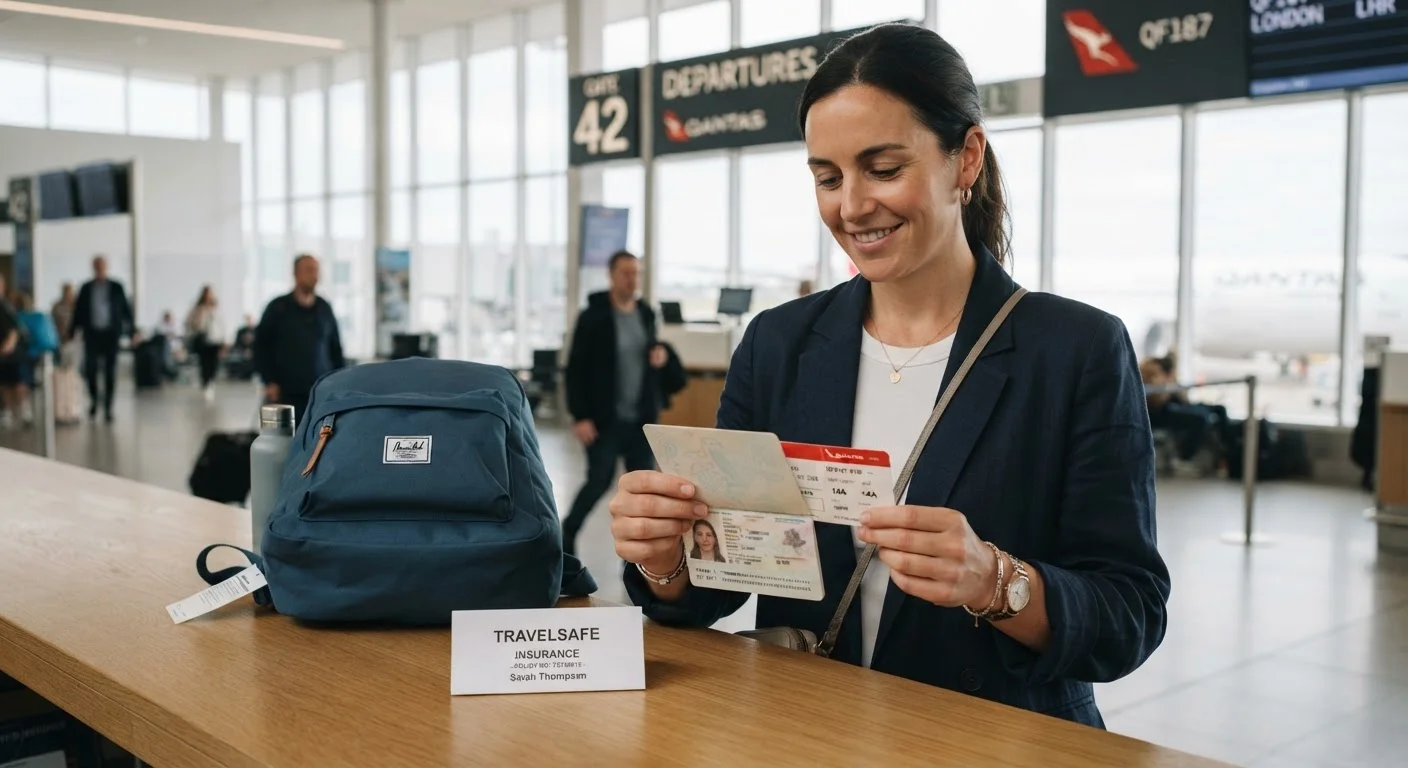
Photo: TotemBuzz.com | Your Lifestyle Companion editorial
Key Takeaways
- Travel insurance generally covers trip cancellation, medical emergencies, baggage loss, and travel delays.
- Many beginners skip it because the cost seems unnecessary — until an unexpected event occurs.
- Your domestic health insurance often provides little or no coverage outside the United States.
- Policy terms vary significantly; always read the exclusions before purchasing any plan.
- Some credit cards include limited travel protections, but these rarely replace a standalone policy.
- Consulting official government travel resources can help you assess destination-specific risks.
Why Beginners Often Skip Travel Insurance
For first-time travellers, travel insurance can feel like an optional extra — one more line item that adds cost to an already tight budget. The trip itself takes months of planning, and when everything looks set, paying for something that protects against scenarios you hope never happen is easy to deprioritise.
There are a few common reasons beginners skip it. Some assume their credit card automatically provides full coverage (it rarely does). Others believe their domestic health plan will cover them overseas (most do not). And many simply underestimate how much a medical emergency, flight cancellation, or lost bag can cost when you are far from home.
If you are working through your first international trip, our guide to planning your first trip abroad walks through the foundational decisions — including why insurance belongs in your early planning, not as an afterthought.
Check Your Credit Card Benefits First
What Travel Insurance Generally Covers
While every policy is different, most standard travel insurance plans address four broad categories of risk:
- Trip cancellation and interruption: Reimburses prepaid, non-refundable costs if you need to cancel or cut a trip short for a covered reason — such as a sudden illness, a death in the family, or a natural disaster affecting your destination.
- Emergency medical coverage: Pays for treatment if you become ill or injured abroad. This is often the most valuable component for international travel, where a hospital stay can quickly reach tens of thousands of dollars.
- Baggage and personal belongings: Provides compensation if your luggage is lost, stolen, or damaged during transit. Limits vary widely, and high-value items like electronics may have sub-limits.
- Travel delays: Covers additional expenses — meals, accommodation — if your trip is significantly delayed due to a covered cause such as severe weather or a carrier-caused disruption.
Some plans also include emergency evacuation coverage, which can be critical if you need to be transported to a medical facility or returned home. This type of coverage is especially worth considering for remote or adventure travel destinations.
$50,000+
Potential cost of overseas medical evacuation
The U.S. Department of State notes that medical evacuations from abroad can cost anywhere from tens of thousands to over $100,000 depending on location and medical needs.
~$100–$300
Typical cost of a basic travel insurance policy
According to general industry data, a standard single-trip policy for a U.S. traveller commonly ranges from 4% to 10% of the total insured trip cost.
What Travel Insurance Typically Does Not Cover
Understanding exclusions is just as important as understanding what is included. Common exclusions across many standard policies include:
- Pre-existing medical conditions, unless you purchase a waiver within a specified window of your booking date
- Cancellations due to fear of travel or change of plans, unless you have a 'Cancel for Any Reason' add-on
- Incidents related to high-risk activities such as extreme sports, unless specifically included
- Losses arising from intoxication or illegal activity
- Civil unrest or war in certain regions
Exclusions are where many claimants are surprised. The only reliable way to know what your policy does and does not cover is to read the policy document — specifically the exclusions section — before you buy.
Verify Coverage Before You Travel
How to Start Researching Your Options
Travel insurance is general in nature, and what suits one traveller may not suit another. A solo backpacker in Southeast Asia has different needs than someone booking a family cruise. As a beginner, a useful starting point is to list your specific concerns — medical coverage, trip cost protection, or gear coverage — and use those as filters when comparing plan types.
The U.S. Department of State's travel website and the Centers for Disease Control and Prevention (CDC) both publish destination-specific health and safety information that can inform the level of coverage you might want. Your credit card's benefits guide is also worth reading, since some cards include trip delay or baggage protection — though these are generally narrower than standalone policies.
Travel insurance sits alongside other types of insurance in how it works. If you want a broader grounding in coverage terminology, our article on what insurance coverage levels actually mean explains how to read policy tiers clearly.
This article provides general information about travel insurance and is not personalised insurance or financial advice. Policy terms, coverage, and exclusions vary by provider and individual circumstances. Always read your policy documents carefully and consult a licensed insurance professional for guidance specific to your situation.
Frequently Asked Questions
The content on this site is for informational purposes only and is not a substitute for professional advice. Always consult a qualified professional for guidance specific to your situation.