
Passports, Visas, and Entry Requirements: What's the Difference?

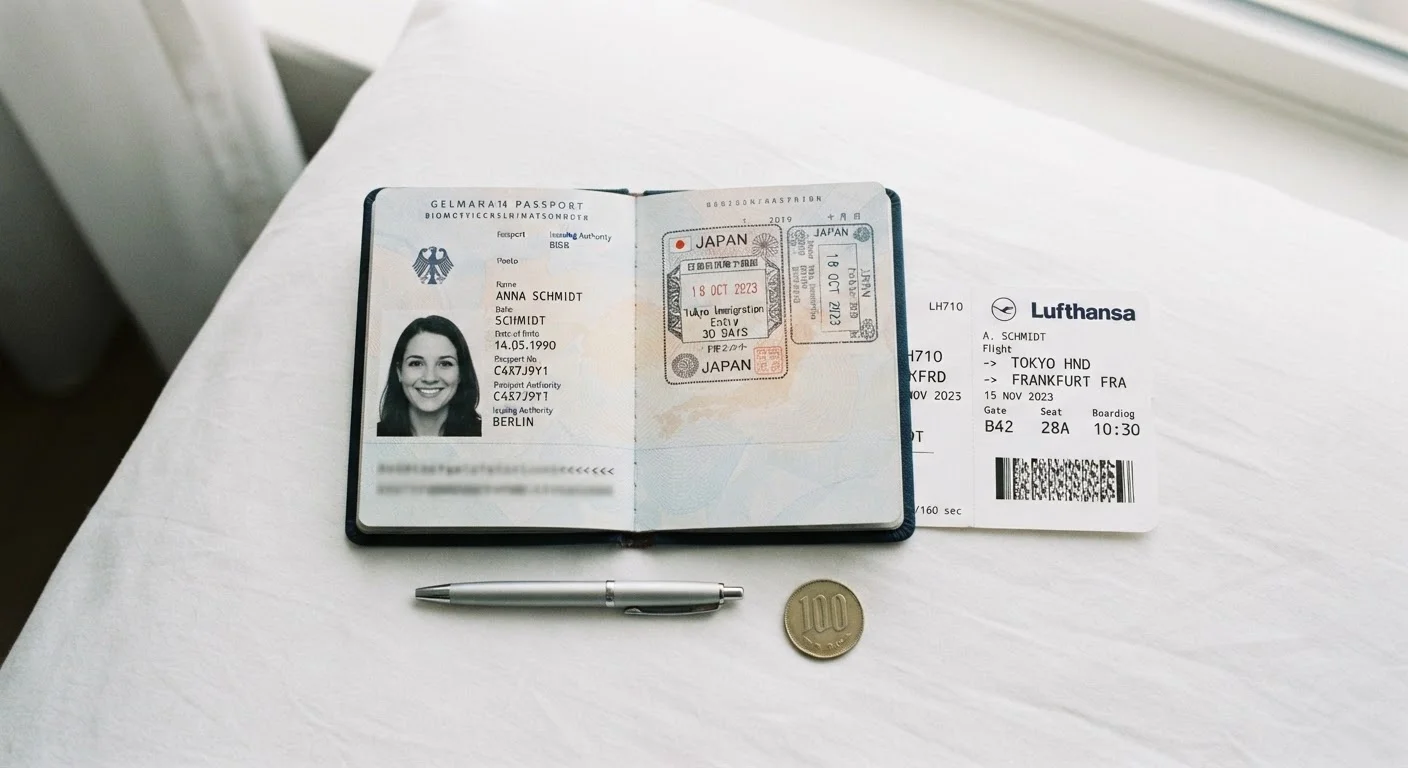
Photo: TotemBuzz.com | Your Lifestyle Companion editorial
Key Takeaways
- A passport is your primary identity document for international travel; most countries require one that is valid for at least six months beyond your travel dates.
- A visa is a separate permission slip — it allows you to enter a specific country for a defined purpose and duration.
- Many countries offer visa-free or visa-on-arrival access to U.S. passport holders, but rules vary widely by destination.
- Entry requirements can include health documentation, customs declarations, and digital travel authorisations — even when no visa is needed.
- Always check official government sources for the most current requirements, as rules can change without much advance notice.
What Is a Passport?
A passport is a government-issued booklet that proves your identity and nationality. Issued by the U.S. Department of State, it tells foreign governments who you are and confirms that another country (the U.S.) recognises you as a citizen and will accept you back.
For most international trips, your passport is the single most important document you'll carry. Key things to know:
- Validity: Many countries require your passport to be valid for at least six months beyond your planned departure date. A passport that expires in two months may still get you on the plane but can result in being turned away at a foreign border.
- Blank pages: Some countries stamp entry and exit pages; you typically need at least one or two blank pages per destination.
- Passport cards: The U.S. also issues a passport card — a wallet-sized alternative valid for land and sea travel between the U.S., Canada, Mexico, Bermuda, and the Caribbean only. It is not valid for international air travel.
If you're building out your travel vocabulary, our travel terminology glossary covers many of the words and abbreviations you'll encounter when planning a trip.
What Is a Visa?
A visa is formal permission — granted by a foreign government — to enter its country. Think of your passport as your ID and the visa as the invitation or access pass. Even if you carry a valid passport, you cannot legally enter some countries without a visa.
186
Countries accessible visa-free with a U.S. passport
According to the Henley Passport Index, U.S. passport holders can access approximately 186 destinations without a prior visa as of recent rankings.
Weeks
Typical visa processing time for some destinations
Processing times for visas to certain countries — including China and India — can range from one to several weeks depending on the consulate and application type.
Visas come in several common types:
- Tourist visa: For leisure travel, usually limited to 30–90 days.
- Business visa: For professional meetings or conferences, not employment.
- Student visa: For enrolled study programmes.
- Transit visa: Required in some countries simply to pass through an airport during a layover.
How you obtain a visa depends on the country. Options include applying at that country's embassy or consulate before you travel, applying online (an e-visa), or receiving a visa on arrival at the airport or border crossing. Processing times vary from a few days to several weeks, so plan ahead.
U.S. passport holders enjoy visa-free or simplified access to many countries, but that access is never universal. Always research the specific destination.
Entry Requirements Beyond the Visa
Even when no visa is required, most countries impose additional entry requirements — rules and declarations every arriving traveller must satisfy. These vary by destination and can change frequently.
Check Requirements 3–6 Months Before Travel
Common examples include:
- Electronic Travel Authorisation (ETA): Countries such as Canada and the United Kingdom require U.S. visitors to obtain a digital travel authorisation before boarding their flight — a quick online process, but one you must complete in advance.
- Customs declarations: Almost every country requires you to declare goods you're bringing in — food, currency over a threshold, or commercial merchandise.
- Health documentation: Some destinations require proof of vaccination, a health declaration form, or travel insurance. Requirements shift; check before you pack. For a broader look at pre-travel health planning, see what travellers generally need to consider for health precautions.
- Return or onward ticket: Many countries require proof that you plan to leave — typically a return flight or a ticket to a third country.
Once you're through the border and settled on your flight, a well-read itinerary helps enormously. Reading a flight itinerary without getting confused walks you through exactly what all those codes and times mean.
How to Research Requirements for Your Trip
The most reliable sources for entry documentation requirements are official government websites — not travel blogs or booking platforms, which may be outdated.
- U.S. Department of State (travel.state.gov): Provides country-specific entry requirement pages, travel advisories, and passport information.
- The destination country's embassy website: The official source for that government's visa rules and application procedures.
- IATA Travel Centre: Airlines use this database to check passenger documentation; it's also publicly accessible and frequently updated.
Requirements Differ by Nationality
Build in extra time. Passport applications can take several weeks under standard processing; visa applications for certain countries can take longer. Don't wait until the month before departure to start. And once you're managing money on the road, understanding how currency and cards work abroad is the logical next step.
This article is for general informational purposes only. Entry requirements change frequently and vary by individual circumstances. Always verify current requirements with official government sources and your airline before travelling.
Frequently Asked Questions
The content on this site is for informational purposes only and is not a substitute for professional advice. Always consult a qualified professional for guidance specific to your situation.