
Buying Second-Hand: The Practical Checks to Make Before Signing Anything

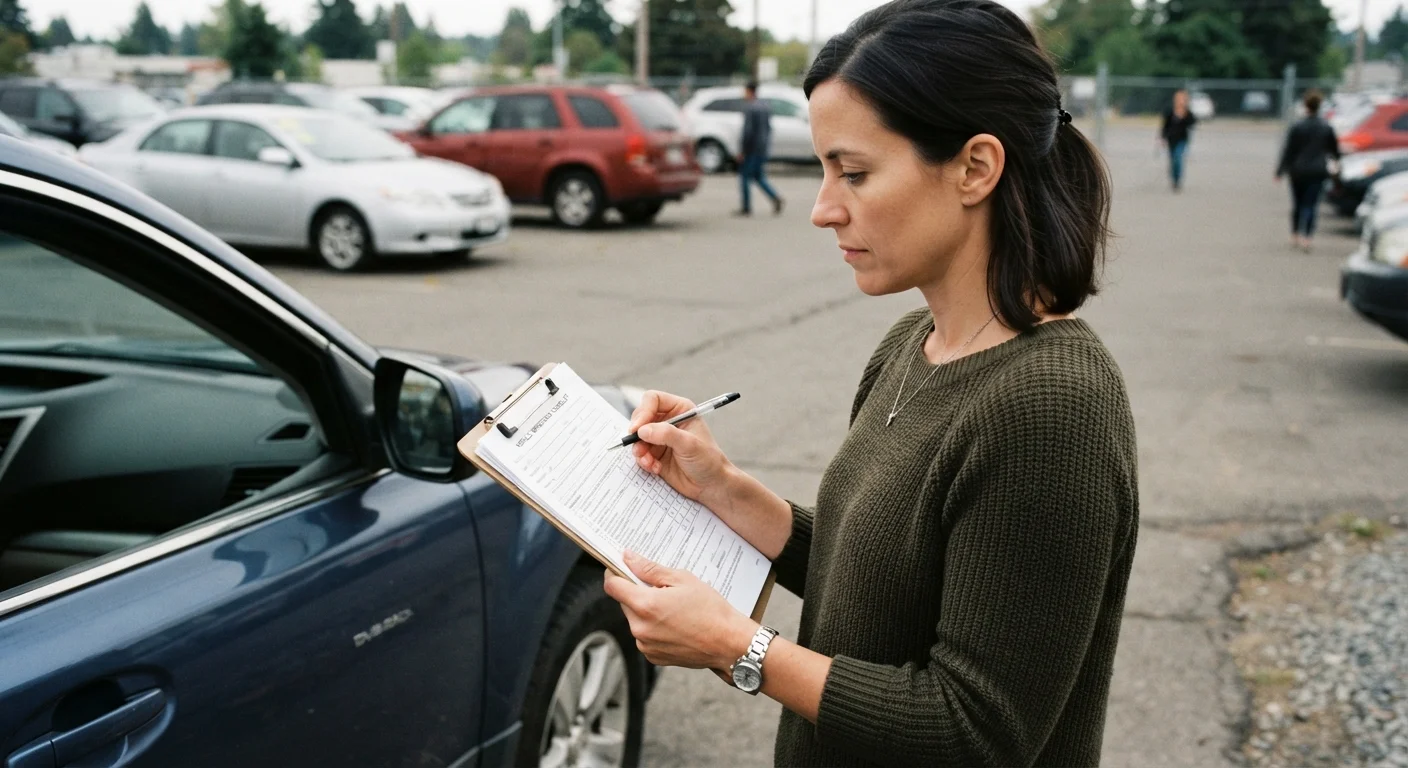
Photo: TotemBuzz.com | Your Lifestyle Companion editorial
Key Takeaways
- Always run a vehicle history report using the car's VIN before agreeing to any price.
- Inspect the car in daylight and never skip a test drive, even for short trips.
- Verify that the seller's name matches the title and that no liens are outstanding.
- A pre-purchase inspection by an independent mechanic is strongly recommended.
- Understand your state's title transfer rules before handing over any money.
Why Used Cars Demand Extra Due Diligence
Buying a used car can be a smart financial move — but only if you know what you're actually getting. Unlike a new vehicle, a secondhand car comes with an unknown history: previous owners, accidents, maintenance gaps, and potentially outstanding loans attached to the title. The good news is that most risks can be identified with a systematic approach before you sign anything.
This checklist is designed for first-time buyers and anyone who hasn't gone through the used-car process before. It walks you through three key phases: researching the vehicle's history, physically inspecting the car, and verifying all the paperwork. For a broader look at what used-vehicle ownership involves from day one, see our first-car ownership guide.
The same careful mindset applies beyond cars — whether you're buying secondhand electronics or refurbished goods, or even making a real estate offer, structured pre-purchase checks are always worth the time.
NHTSA VIN Recall Lookup
Check whether a vehicle has any open safety recalls using its VIN at nhtsa.gov — a free government resource.
Vehicle History Report Service
Provides a detailed report of a car's accident history, title status, odometer readings, and ownership changes using the VIN.
Independent Mechanic
Performs a pre-purchase inspection (PPI) to identify mechanical issues that aren't visible to the untrained eye.
State DMV Website
Verify your state's specific requirements for title transfer, registration deadlines, and emissions testing.
Tread Depth Gauge
A small, inexpensive tool that measures tire tread depth accurately — available at most auto parts stores.
The Pre-Purchase Checklist
Work through these checks in order. The history and documentation steps can be completed before you visit the seller in person, saving you a wasted trip if something looks off.
Vehicle History Research
Physical Inspection
Documentation and Title Verification
Insurance and Registration Preparation
Never Transfer Money Before Verifying the Title
After the Checks: What Happens Next
Once you've completed all the checks and are satisfied, you're ready to move toward purchase. Negotiate price based on any issues you found — a minor repair needed or high mileage are legitimate reasons to ask for a lower price. Never pay with cash in an untraceable way; a cashier's check or verified payment method creates a paper trail.
At the point of sale, make sure you receive the signed title, a bill of sale, and any remaining warranty documentation. Most states require you to transfer the title and register the vehicle within a set number of days — check your state's DMV website for the exact timeline. Keep copies of everything.
If you want a broader framework for making smart purchasing decisions — whether online or in person — the Smarter Shopping hub is a useful starting point.
This article is for general informational purposes only. It is not legal or financial advice. Requirements for vehicle title transfer, registration, and lien checks vary by state. Always verify current rules with your state's Department of Motor Vehicles and consult a qualified professional for guidance specific to your situation.
The content on this site is for informational purposes only and is not a substitute for professional advice. Always consult a qualified professional for guidance specific to your situation.