
Secondhand and Refurbished Goods: What Buyers Should Know

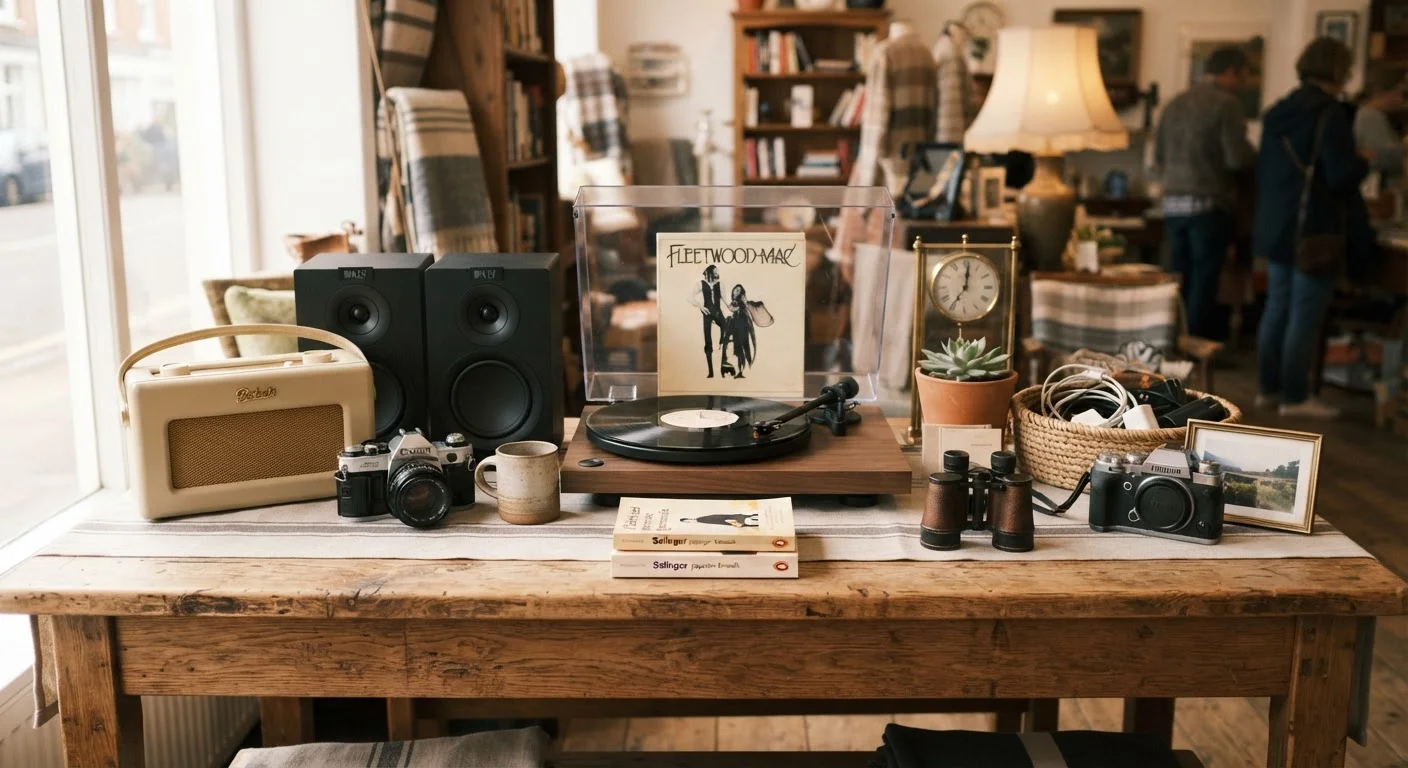
Photo: TotemBuzz.com | Your Lifestyle Companion editorial
Key Takeaways
- Refurbished items are professionally inspected and repaired; 'used' simply means previously owned.
- Savings can be significant, but warranty coverage and return rights vary widely by seller.
- Grading systems (like 'Grade A' or 'Certified Refurbished') differ across platforms — always read the definitions.
- Consumer protections may be limited for private-party sales; marketplace and retailer purchases offer more recourse.
- Inspecting condition descriptions carefully and buying from reputable sellers reduces most common risks.
Lower prices on many product categories
Used and refurbished items commonly sell at a significant discount compared to new retail prices, especially for electronics, appliances, and furniture.
Reduced environmental impact
Extending the life of a product means fewer resources spent manufacturing a replacement and less waste sent to landfill.
Access to discontinued or hard-to-find items
The secondhand market is often the only source for products that are no longer in production, from vintage audio equipment to out-of-print books.
Manufacturer refurbished goods often work like new
Certified refurbished programs from manufacturers typically involve thorough testing and replacement of faulty components, with results comparable to new.
Limited or no warranty on many listings
Private sellers are generally not required to offer any warranty, and even marketplace sellers may provide only short coverage windows that differ significantly from new-product guarantees.
Condition grading is inconsistent across sellers
Terms like 'excellent' or 'Grade B' mean different things on different platforms; without standardized definitions, condition claims require extra scrutiny.
Hidden wear or faults may not be disclosed
Not all sellers accurately describe defects — particularly on peer-to-peer platforms — and internal wear (on batteries, motors, or circuitry) is difficult to assess from photos alone.
Return and refund rights vary widely
Consumer protections for private sales are weaker than for retail purchases, and some sellers explicitly list items with no returns accepted.
What 'Secondhand' and 'Refurbished' Actually Mean
These two terms are often used interchangeably, but they describe different things — and that distinction affects what you can reasonably expect.
Secondhand (or used): An item that was previously owned, sold as-is or with minimal seller preparation. Condition can range from like-new to heavily worn.
Refurbished: A product that has been returned, inspected, repaired if needed, and restored to working condition — typically by the manufacturer or a certified third party. Most refurbished listings include some form of grading (such as 'Grade A' or 'Certified Refurbished') to indicate cosmetic and functional condition.
Refurbished vs. Used: Who Prepared It Matters
Understanding this distinction matters before you evaluate any listing. A 'refurbished' label from a manufacturer carries different expectations than the same word used by an individual seller on a peer-to-peer marketplace. Always check who did the refurbishing and what their process involves.
The Real Advantages of Buying Used or Refurbished
There are several well-established reasons why this market has grown — and why thoughtful shoppers return to it regularly.
Lower prices on many product categories
Used and refurbished items commonly sell at a significant discount compared to new retail prices, especially for electronics, appliances, and furniture.
Reduced environmental impact
Extending the life of a product means fewer resources spent manufacturing a replacement and less waste sent to landfill.
Access to discontinued or hard-to-find items
The secondhand market is often the only source for products that are no longer in production, from vintage audio equipment to out-of-print books.
Manufacturer refurbished goods often work like new
Certified refurbished programs from manufacturers typically involve thorough testing and replacement of faulty components, with results comparable to new.
Price is the most obvious draw, but it isn't the only one. Buying secondhand also keeps functional goods out of landfills, which appeals to environmentally minded consumers. For items like books, furniture, musical instruments, and some categories of clothing, the used market often offers quality that is hard to find in new budget-tier products. See our guide to assessing true value for a deeper look at how price and quality interact.
The Genuine Risks to Know Before You Buy
A clear-eyed view of the downsides helps buyers set appropriate expectations — and take steps to reduce their exposure.
Limited or no warranty on many listings
Private sellers are generally not required to offer any warranty, and even marketplace sellers may provide only short coverage windows that differ significantly from new-product guarantees.
Condition grading is inconsistent across sellers
Terms like 'excellent' or 'Grade B' mean different things on different platforms; without standardized definitions, condition claims require extra scrutiny.
Hidden wear or faults may not be disclosed
Not all sellers accurately describe defects — particularly on peer-to-peer platforms — and internal wear (on batteries, motors, or circuitry) is difficult to assess from photos alone.
Return and refund rights vary widely
Consumer protections for private sales are weaker than for retail purchases, and some sellers explicitly list items with no returns accepted.
One risk that catches many first-time secondhand shoppers off guard is limited consumer protection. Private sales — between individuals rather than through a business — generally carry no statutory warranty obligation in the US. Your recourse if something is wrong may be limited to what you negotiated upfront. Marketplace platforms vary in their buyer-protection policies, so it pays to read those terms before purchasing. Our plain-language overview of shopper rights explains what protections typically apply and where.
How to Shop Secondhand More Safely
A few consistent habits significantly reduce the most common risks in this market.
- Read condition descriptions word by word. Terms like 'fully functional' and 'cosmetic wear only' have specific meanings — but those meanings depend on the seller defining them honestly. If anything is vague, ask for clarification before purchasing.
- Check seller ratings and reviews. On marketplace platforms, a seller's track record is often the most reliable signal of trustworthiness.
- Understand the return window. Some refurbished sellers offer 30- or 90-day return periods; others sell all sales as final. Know which applies before you commit.
- Prefer verified or certified programs where possible. Manufacturer-certified refurbished programs typically come with the most consistent quality standards and clearest warranty terms.
Before any online purchase — new or used — it's worth running through a quick pre-purchase checklist. Our article Before You Click 'Buy' covers seller verification, payment security, and return terms in practical detail.
~$200B
Estimated US secondhand market value
Industry analysts tracking resale and recommerce consistently estimate the US secondhand goods market in the hundreds of billions of dollars, reflecting broad mainstream adoption.
Up to 50%
Typical savings vs. new retail price
Consumer advocacy organizations note that refurbished electronics and appliances commonly sell at 20–50% below comparable new retail prices, though savings vary by category and condition.
Finally, keep in mind that the secondhand market is not always the lowest-cost option in every category. Sale pricing on new goods can sometimes undercut used prices, particularly for commodity electronics and seasonal goods — worth checking both markets before deciding.
The content on this site is for informational purposes only and is not a substitute for professional advice. Always consult a qualified professional for guidance specific to your situation.