
Crowdsourced Reviews: How to Read Them Critically

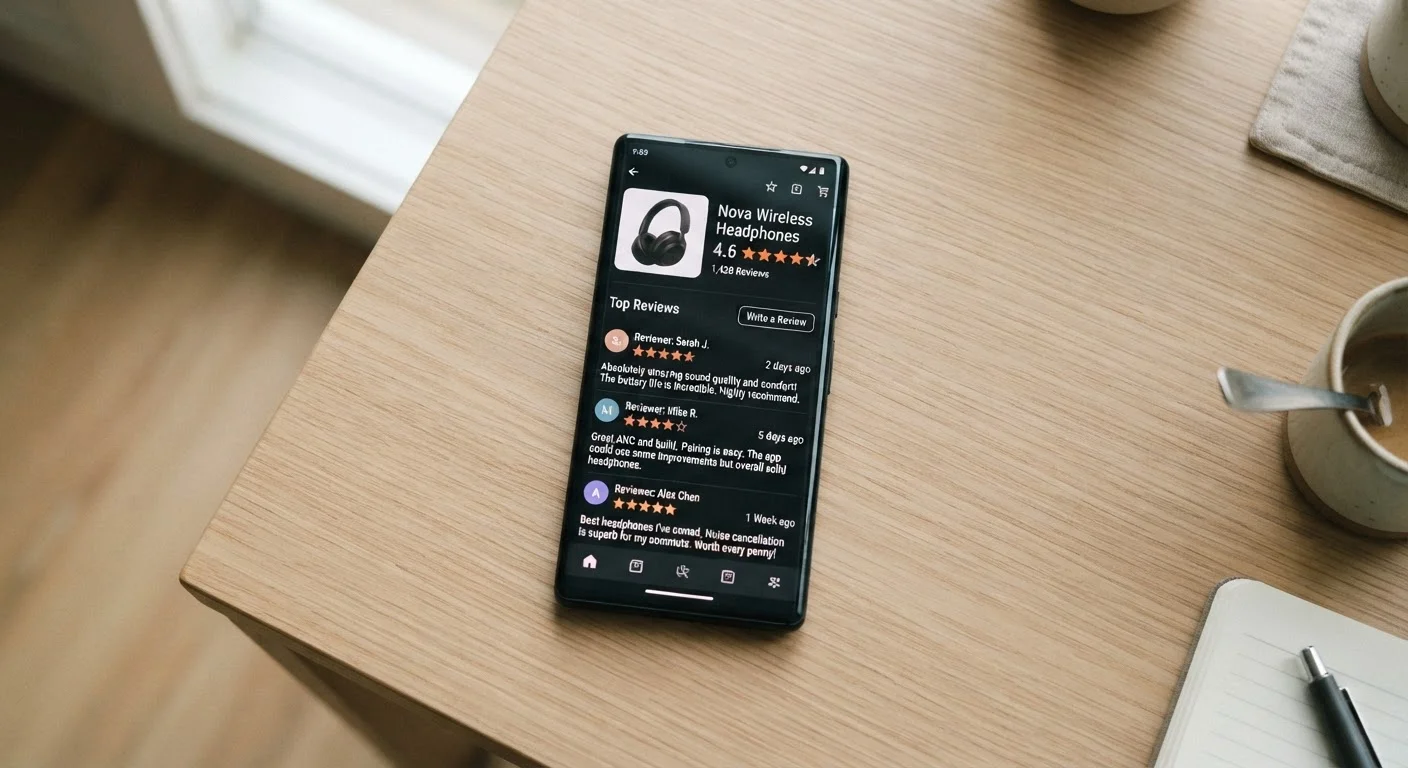
Photo: TotemBuzz.com | Your Lifestyle Companion editorial
Key Takeaways
- Star ratings alone are unreliable; written review text and review volume matter far more.
- A suspiciously high number of five-star reviews posted in a short window is a common red flag.
- Verified-purchase labels and platform moderation policies vary widely — always check both.
- Negative reviews often reveal the most useful, specific product information.
- Cross-referencing reviews across multiple platforms reduces the risk of being misled.
Why Reading Reviews Critically Matters
Online customer reviews have become a primary decision-making tool for shoppers in the United States. Research by consumer protection organizations consistently finds that a large majority of adults consult reviews before making purchases — but the review ecosystem is far more complicated than a simple star score suggests.
Review manipulation — including fake reviews, incentivized reviews, and review suppression — is documented across major retail platforms. Even genuine reviews can reflect individual circumstances that don't apply to you: a reviewer living in a humid climate rating a product differently than someone in a dry region, for example. Learning to read reviews as a data set rather than a verdict is a practical skill every consumer can develop.
This same critical lens applies to other types of consumer information. Just as you'd scrutinize a five-star review, it pays to question sale pricing and discount claims before assuming you're getting a deal.
Fake Reviews Are a Real Problem
What to Do Before You Read a Single Review
Before diving into individual reviews, take two minutes to orient yourself to the product page. Confirm you are looking at the correct product — on some platforms, reviews from multiple sellers or product variants can be merged into a single listing, mixing feedback for items that aren't identical. Check whether the reviews shown are for the specific color, size, or model you intend to buy.
Also note the platform's own moderation policy. Some retailers publish their review guidelines openly; others do not. Knowing that a platform actively removes flagged reviews — or that it does not — contextualizes everything you read afterward.
What you will need
Once you have your tools and the correct product page open, work through the steps below in order. Combined with our pre-purchase checklist for online orders, this process gives you a structured way to evaluate confidence before checkout.
Check the overall rating distribution, not just the average
Scroll past the summary star rating and look for the full breakdown — how many reviewers gave one star, two stars, and so on. A healthy product typically has a spread that looks roughly like a "J" curve: most reviews at four to five stars, a smaller cluster at three, and a modest tail at one to two. Be cautious if you see a stark split — say, 90% five-star and 8% one-star with almost nothing in between. This "bimodal" pattern sometimes indicates polarizing quality or manipulation.
Look at review volume and posting dates
A product with 12 reviews and a 4.9-star average tells you very little. A product with 2,400 reviews at 4.1 stars is statistically more meaningful. Also check the dates: if a large portion of reviews were posted in a very short window — especially around a product launch or a sale event — that burst pattern can indicate coordinated or incentivized reviewing rather than organic customer feedback.
Verify reviewer credibility and purchase status
Many platforms label reviews from people who bought the product through that site as "Verified Purchase" or equivalent. While this label doesn't guarantee authenticity, unverified reviews deserve additional scrutiny. Also scan reviewer profiles: accounts with no history, generic names, and a pattern of only five-star reviews for similar products are worth discounting.
Read the text, not just the star
The written content of a review is almost always more useful than its rating. Look for specificity: does the reviewer describe how they actually used the product, what failed, what worked, and under what conditions? Vague praise like "great product, love it!" contributes almost nothing useful. Detailed accounts of a zipper breaking after two uses, or a battery lasting well beyond advertised hours, carry real informational value.
[tip_callout]Cross-reference across platforms
Search the product on at least one additional platform or on a dedicated review site. If a product has 4.8 stars on the retailer's own site but 3.1 on an independent platform, that gap warrants investigation. Independent review communities — particularly for categories like electronics, appliances, or tools — often include more experienced users who write detailed, critical assessments.
Factor in the context of negative reviews
Not every one-star review reflects a product flaw. Some low ratings stem from shipping damage, user error, or unmet expectations from a misread description. Read the seller or manufacturer responses to negative reviews as well — a thoughtful, solution-focused response often signals a legitimate business; a dismissive or absent response can be telling. Use negative reviews to confirm or rule out specific concerns you already have about the product.
Putting It All Together
Reading reviews critically is less about distrust and more about calibration. A product with 4.2 stars, 1,800 verified reviews, detailed written feedback, and consistent ratings across platforms is genuinely informative. A product with 4.9 stars, 30 reviews all posted in one week, and identical phrasing across entries is not.
Over time, practicing these steps becomes faster and more intuitive. You'll start to recognize the difference between a review ecosystem that reflects real customer experience and one that has been shaped by other forces. Pair this habit with understanding product specifications and you'll have a much clearer picture of what you're actually buying.
Incentivized Reviews Can Skew Ratings
The content on this site is for informational purposes only and is not a substitute for professional advice. Always consult a qualified professional for guidance specific to your situation.