
Why Pets Bite Children — and How to Recognise the Warning Signs First

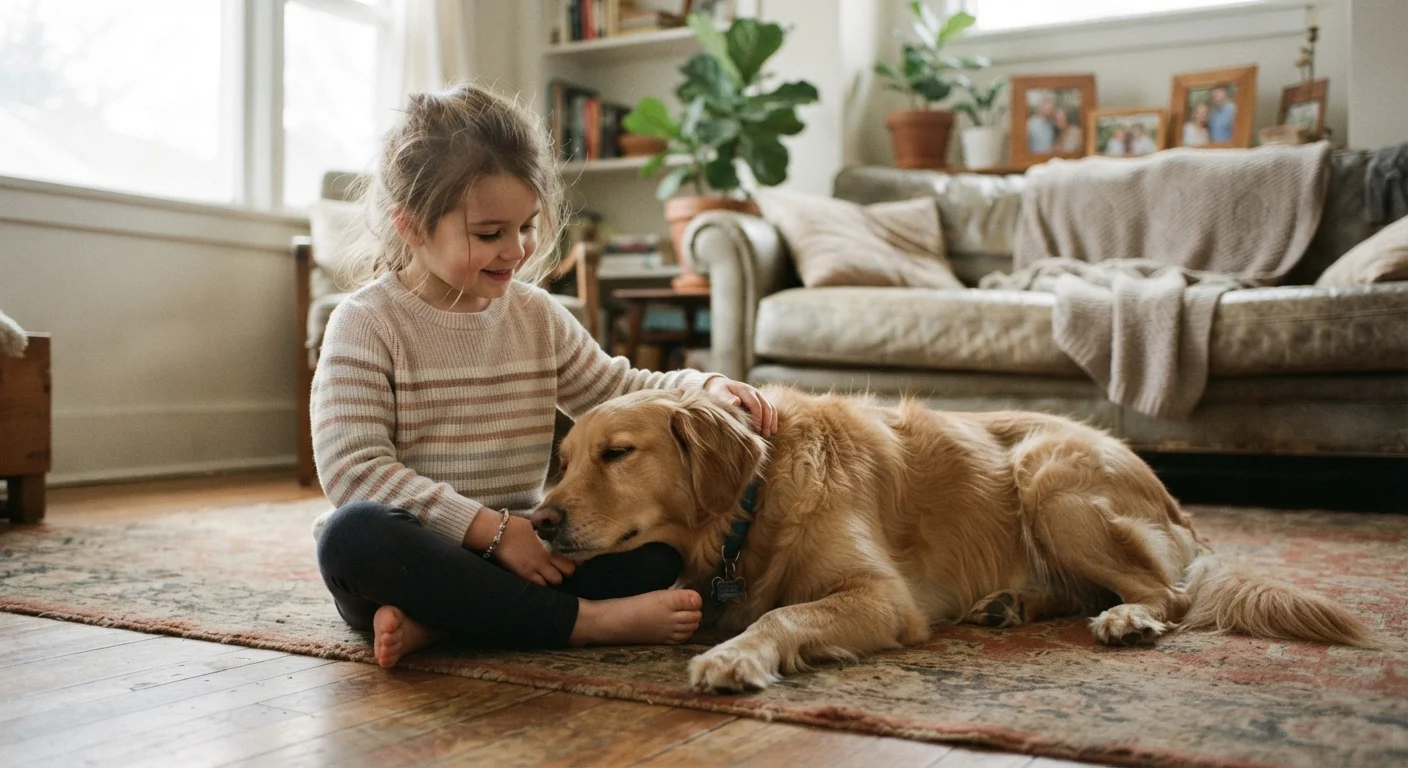
Photo: TotemBuzz.com | Your Lifestyle Companion editorial
Key Takeaways
- Most bites involving children happen with familiar pets, not strangers' animals.
- Animals almost always give warning signals before biting — adults need to recognize them.
- Children under 10 are at highest risk because they often misread or miss animal stress cues.
- Pain, resource guarding, and feeling cornered are among the most common triggers.
- Supervision and early education are the most effective prevention strategies.
The Uncomfortable Truth About Pet Bites
Here's something that surprises many families: the majority of animal bites involving children happen with pets the child already knows — often the family's own dog or cat. It's rarely a stranger's animal or an unprovoked attack. Instead, it's usually a situation that escalated from something that looked, on the surface, like normal play.
According to the American Veterinary Medical Association, children are the most common bite victims, with those under 10 at greatest risk. The good news is that most bites are preventable — and prevention starts with understanding why animals bite in the first place.
If you're also thinking about how to avoid common missteps when pets and kids are first introduced, that context matters here too.
~4.5M
Dog bites reported annually in the US
The American Veterinary Medical Association estimates approximately 4.5 million dog bites occur each year in the United States.
~50%
Bite victims who are children
Children account for roughly half of all dog bite victims, according to AVMA data, with the highest incidence in the 5–9 age group.
77%
Bites from familiar dogs
Research cited by the AVMA suggests the majority of bites involving children come from dogs the child knows, including the family's own pet.
Why Pets Bite: The Core Triggers
Animals don't bite because they're "bad" — they bite because biting is one of the few tools available to them when communication has broken down. The most common triggers include:
- Pain or illness: A pet that's hurting will protect itself. A child who unknowingly tugs on an injured limb or presses on a sore spot can trigger a sudden snap. This is why recognizing signs your pet may be unwell is so closely tied to bite prevention.
- Resource guarding: Many animals will defend food, toys, or resting spots. A child reaching into a dog's bowl or approaching a cat's favorite chair can trigger a guarding response.
- Feeling cornered or overwhelmed: Children often approach animals at eye level, move quickly, and make loud noises — all things that can feel threatening to a pet. When an animal can't escape, biting becomes the last resort.
- Startling: Pets that are woken suddenly, or approached from behind without warning, may react defensively before they've fully registered who is there.
Create a "Pet Peace Zone" at Home
Reading the Warning Signs Before a Bite Happens
Animals rarely bite without warning. The problem is that the warnings are easy to miss — especially for young children who haven't yet learned to read animal body language. Knowing what to look for gives parents and caregivers a genuine opportunity to step in early.
Dogs
- Yawning, lip-licking, or turning the head away (early stress signals)
- Body stiffening, a fixed stare, or raised hackles along the back
- Tail held low or tucked — or held high and rigid (not the same as a relaxed wag)
- Growling or showing teeth — never punish this; it's a vital communication signal
Cats
- Tail flicking rapidly or lashing from side to side
- Flattened ears or whiskers pulled back tight
- Skin twitching or rippling along the back
- Dilated pupils and a crouched, tense posture
When you spot these signals, calmly redirect the child and give the pet space to retreat. Teaching children to notice and respect these cues is one of the most valuable things you can do — our guide on teaching children how to interact with animals safely covers age-appropriate ways to do exactly that.
“The dog is usually not the problem. The interaction is the problem. Most bites happen because neither the child nor the adult recognized what the dog was trying to say.”
— Dr. Sophia Yin, Veterinarian and applied animal behaviorist
What Parents Can Do Right Now
You don't need to overhaul your home or live in anxiety to meaningfully reduce bite risk. A few consistent habits make a real difference:
- Always supervise interactions between young children and pets — even briefly turning away can be enough time for a situation to escalate.
- Give pets a safe retreat. Every pet should have a space — a crate, a raised bed, a quiet room — where they can go when they need a break and where children are not permitted to follow.
- Teach the basics early. Even toddlers can learn "gentle hands" and "wait for the pet to come to you." If you notice your child is fearful rather than bold around your pet, our piece on navigating a child's fear of the family pet offers compassionate, practical guidance.
- Involve a professional when needed. If your pet has already shown aggression, consult a qualified veterinary behaviorist or certified applied animal behaviorist — not as a last resort, but as a practical, effective step.
This article is for general educational purposes only and does not constitute veterinary or medical advice. After any animal bite involving a child, please seek prompt medical attention and consult a qualified professional about your pet's behavior.
Frequently Asked Questions
The content on this site is for informational purposes only and is not a substitute for professional advice. Always consult a qualified professional for guidance specific to your situation.