
Teaching Children How to Interact with Animals Safely

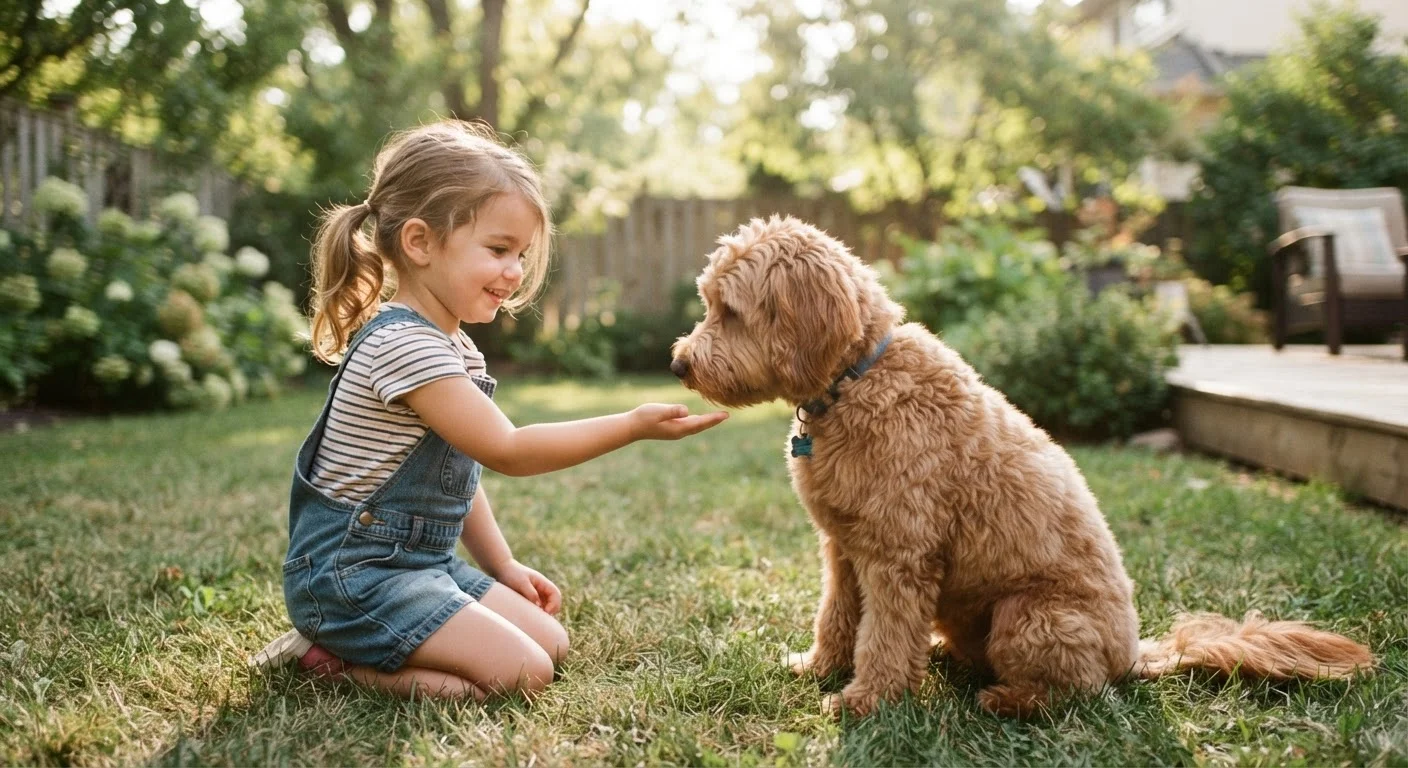
Photo: TotemBuzz.com | Your Lifestyle Companion editorial
Key Takeaways
- Children of every age can learn safe, respectful animal interaction with appropriate adult guidance.
- Always ask the owner's permission before allowing a child to approach any unfamiliar animal.
- Teach kids to read basic animal body language — a tucked tail or flattened ears signals stress.
- Toddlers need hands-on adult guidance; older children can begin internalising rules independently.
- Consistent, calm modelling by adults reinforces safe habits faster than verbal instruction alone.
- Never leave young children unsupervised with any animal, regardless of the pet's temperament.
Why These Skills Matter Early
Children and animals can form genuinely wonderful bonds — but those bonds are built on a foundation of safety, respect, and predictability for both sides. According to the American Veterinary Medical Association, children are disproportionately represented in dog bite statistics, with many incidents occurring in familiar settings with familiar animals. The good news is that most of these situations are preventable with consistent, age-appropriate education.
Teaching animal safety isn't about creating fear. It's about giving children the confidence to engage with animals in ways that keep everyone — human and animal alike — comfortable and secure. These skills also build broader empathy: a child who learns to read a dog's body language is practising perspective-taking in a very concrete, meaningful way.
For a broader look at the dynamics of pets and children sharing a home, see our foundational guide on pets and young children living together.
Supervision Is Always Required
Step-by-Step: Building Safe Habits
The steps below are designed to be introduced gradually, not all at once. Start with what's developmentally accessible for your child and build from there. Even very young children can absorb the most foundational rules — "be gentle" and "ask first" — with enough patient repetition.
What you will need
Use Role-Play to Reinforce Safe Habits
Start with age-appropriate conversations
Before any hands-on experience, talk with your child at a level that matches where they are developmentally. For toddlers, keep it simple: "Animals have feelings, just like you." For school-age kids, you can introduce the idea that animals communicate through their bodies — a wagging tail generally signals excitement, while a stiff body or low growl signals discomfort. Tweens can handle more nuance, such as understanding that stress can build gradually in animals even when there's no obvious warning sign.
Keep these conversations short and regular rather than one long lecture. Repetition builds the habits that matter most.
Teach the "ask first" rule without exception
Make it a non-negotiable household rule: before touching any animal — family pet, neighbour's dog, or animal at a shelter — your child must ask a responsible adult and, when relevant, the animal's owner for permission. This habit protects kids from approaches that could startle an animal and protects the animal from unwanted handling.
Practise the exact words: "Can I pet your dog?" Role-playing this exchange at home helps it feel natural in the moment. The common mistakes parents make often include skipping this step because the animal seems friendly — consistency matters more than situational judgement for young children.
Demonstrate a calm, slow approach
Show your child — don't just tell them — how to approach an animal. Crouch down to the animal's level if safe to do so, avoid direct staring (which animals can read as a challenge), and extend a loosely closed hand low and to the side to let the animal sniff first. Keep voices quiet and movements predictable.
Children often want to rush toward animals they find exciting. Channel that enthusiasm into deliberate slowness by making it a game: "Let's see if we can move like we're in slow motion." Practising this with a stuffed animal first — as suggested in the tip callout — helps younger children build the physical habit.
Show where — and where not — to touch
Guide your child's hand to appropriate areas: the animal's side, back, or under the chin (for most dogs and cats). Teach children to avoid the face, tail, paws, and any area that seems sensitive or injured. For very young children, you may need to gently hold their hand over yours to demonstrate appropriate pressure — "gentle" is an abstract word until a child has felt what it means in practice.
Reinforce that pulling fur, tails, or ears — even during play — is off-limits, even if the animal doesn't immediately react. Many animals tolerate discomfort before they reach a threshold. For more on building this kind of empathy over time, our guide on involving children in pet care offers a helpful framework by age group.
Teach children to recognise stress signals in animals
Even young children can learn a handful of clear animal body language cues. Focus on the most readable ones first:
- Stop signals: turning away, moving out of reach, yawning repeatedly, or licking lips (in dogs)
- Stress signals: flattened ears, tail tucked low, crouching posture, a stiff or frozen stance
- Clear warnings: growling, hissing, or showing teeth — these mean step back immediately and calmly
Explain that when an animal shows any of these signs, the right response is to stop touching, move away slowly, and find an adult. Reacting calmly — without screaming or running — is itself a learnable skill worth practising.
Reinforce consistently and adjust as your child grows
Safe animal interaction isn't a one-time lesson — it's an ongoing conversation that evolves as your child develops. Revisit the rules after any notable incident (good or challenging), when you're about to meet a new animal, or simply as a regular check-in. Praise specific safe behaviours when you see them: "I noticed you waited for the dog to sniff your hand — that was really thoughtful."
For families building these habits from scratch alongside a new pet, our article on introducing a new pet to children can help set the right tone from day one. And if your child experiences fear rather than enthusiasm around animals, that's worth addressing compassionately — the guide on children who are afraid of the family pet offers practical starting points.
Unfamiliar Animals Require Extra Caution
This article is for general informational and educational purposes. Always use your own judgement and consult a professional — such as a certified dog trainer, veterinary behaviourist, or your child's paediatrician — if you have specific concerns about animal behaviour or your child's safety around pets.
The content on this site is for informational purposes only and is not a substitute for professional advice. Always consult a qualified professional for guidance specific to your situation.