
What a Credit Report Contains — and How to Read It

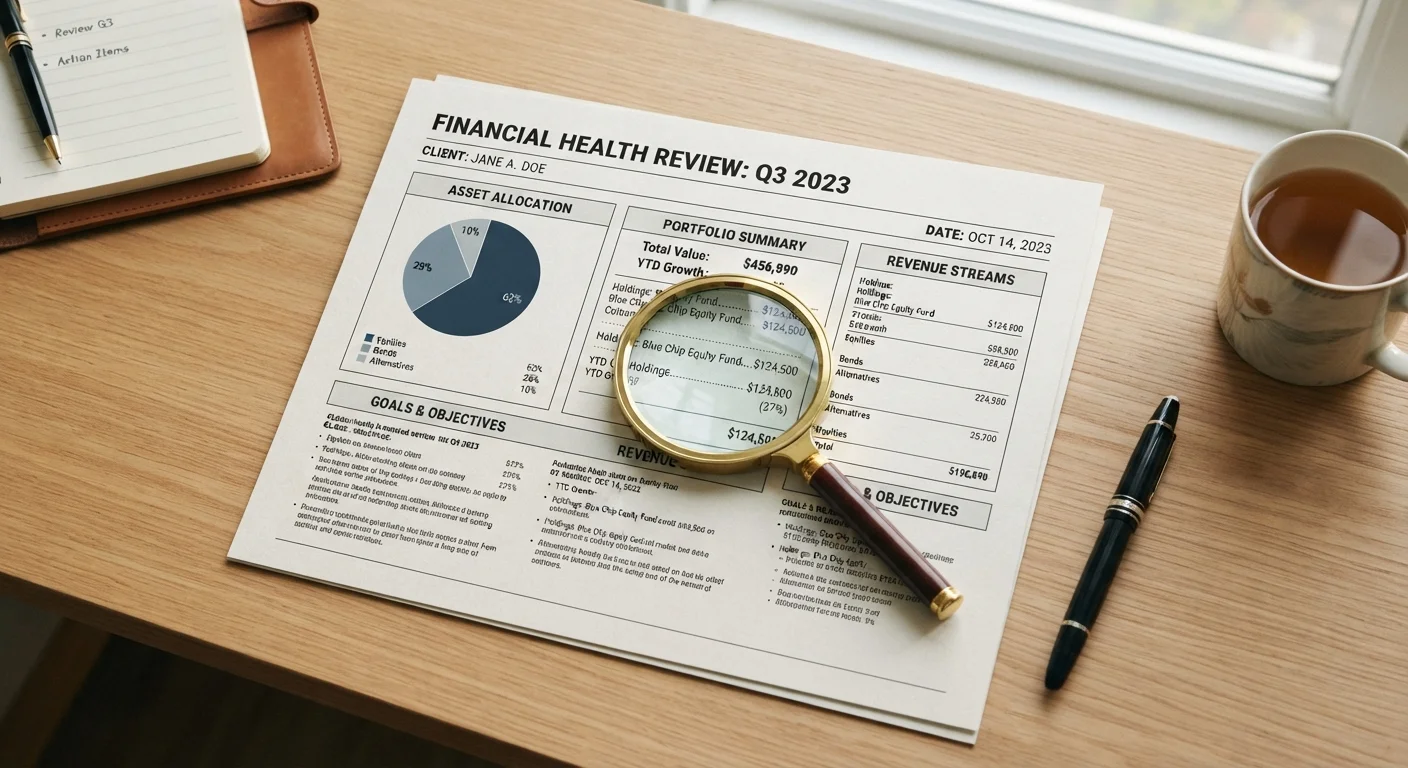
Photo: TotemBuzz.com | Your Lifestyle Companion editorial
What a Credit Report Actually Is
A credit report is a detailed record of your borrowing and repayment history, compiled by consumer reporting agencies — most commonly Equifax, Experian, and TransUnion. It is the raw data that scoring models use to calculate your credit score, but the report itself contains far more nuance than any single number can convey.
Every consumer is entitled to a free copy of their report from each of the three major bureaus once every 12 months through AnnualCreditReport.com, the federally mandated site established under the Fair Credit Reporting Act (FCRA). Checking your own report does not affect your score — this is called a soft inquiry.
Understanding what a credit report contains is the essential first step before diving into the five factors that shape your score.
| Number of major credit bureaus (U.S.) | 3 — Equifax, Experian, TransUnion (Fair Credit Reporting Act (FCRA)) |
| Free reports per bureau per year | 1 (via AnnualCreditReport.com) (FCRA mandate) |
| How long most negative items stay | Up to 7 years (Fair Credit Reporting Act) |
| How long Chapter 7 bankruptcy stays | Up to 10 years (Fair Credit Reporting Act) |
| Dispute response window | Typically 30 days (FCRA Section 611) |
| Does checking your own report hurt your score? | No — it's a soft inquiry (Consumer Financial Protection Bureau (CFPB)) |
The Four Main Sections of a Credit Report
While formatting varies slightly between bureaus, every credit report is organized around four core sections:
1. Personal Information
This section lists identifying details — your name (including variations), current and previous addresses, date of birth, Social Security number (partially masked), and employer history. This data does not affect your score, but errors here can sometimes cause accounts to be mixed with someone else's file. Review it for accuracy.
2. Account History (Trade Lines)
This is the largest and most important section. Each trade line represents one credit account — a credit card, auto loan, mortgage, or student loan. For every account you will see: the creditor's name, the type of account, the date it was opened, your credit limit or original loan amount, the current balance, and your payment history (often shown month by month).
Payment history is the single most influential factor in most scoring models. Even one 30-day late payment can remain on your report for up to seven years. For context on how utilisation within these accounts affects your score, see our guide on why your credit utilisation ratio matters more than you think.
3. Public Records and Collections
Bankruptcies filed under federal bankruptcy law may appear here. Collection accounts — debts sold to third-party collectors — appear separately and can significantly lower a score. Chapter 7 bankruptcies can remain for up to 10 years; most other negative items stay for seven years.
4. Inquiries
Every time a lender checks your credit as part of an application, a hard inquiry is recorded. Hard inquiries can modestly lower your score for a short period. Multiple mortgage or auto loan inquiries within a short window (typically 14–45 days, depending on the scoring model) are usually counted as a single inquiry.
Trade Line
An individual credit account entry on your credit report, such as a credit card or loan. Each trade line includes the account's status, balance, limit, and payment history.
Hard Inquiry
A credit check triggered by a formal application for credit, such as a loan or credit card. Hard inquiries are visible to other lenders and can modestly lower your score for a short time.
Soft Inquiry
A credit check that does not affect your score, such as checking your own report or a lender reviewing your file for pre-approval purposes.
Credit Utilisation
The percentage of your available revolving credit (such as credit card limits) that you are currently using. A lower utilisation ratio is generally viewed more favorably by scoring models.
Charge-Off
When a creditor writes off an unpaid debt as a loss after a period of non-payment (typically 180 days). The debt may still be collected and the entry can remain on your report for up to seven years.
Consumer Reporting Agency
A company that collects and maintains consumer credit information and provides credit reports to lenders and individuals. Equifax, Experian, and TransUnion are the three major U.S. agencies.
How to Spot and Dispute Errors
Studies by the Federal Trade Commission have found that a notable share of consumers have at least one error on a credit report that could affect their score. Common errors include:
- Accounts that don't belong to you (possible identity mix-up or fraud)
- Incorrect payment status — e.g., a paid account still listed as delinquent
- Outdated negative items that should have aged off
- Wrong credit limits, which can distort your utilisation ratio
Under the FCRA, you have the right to dispute any inaccurate or incomplete information. You can file a dispute directly with the bureau online, by mail, or by phone. The bureau must investigate and respond — typically within 30 days. If the furnisher (the creditor) cannot verify the item, it must be corrected or removed.
Disputes Must Be in Writing When Possible
Keeping your report clean works hand-in-hand with your broader financial habits. Our article on how saving habits and credit health reinforce each other explains the bigger picture.
This article is for general informational and educational purposes only and does not constitute financial, legal, or credit counseling advice. For guidance specific to your situation, consult a qualified financial professional or a nonprofit credit counselor.
The content on this site is for informational purposes only and is not a substitute for professional advice. Always consult a qualified professional for guidance specific to your situation.