
Reading Your Bank Statement as a Budgeting Tool

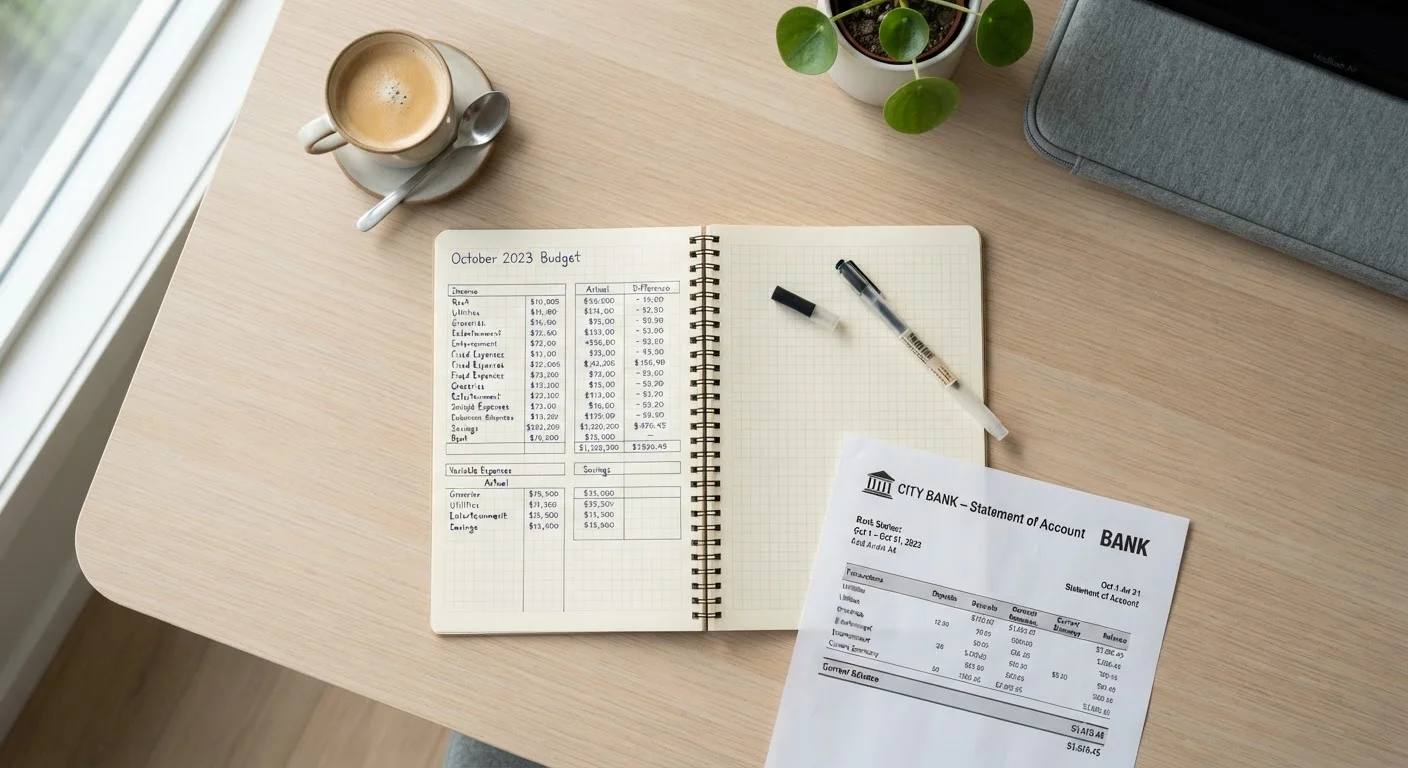
Photo: TotemBuzz.com | Your Lifestyle Companion editorial
Key Takeaways
- Your bank statement records every transaction and is free to access through your bank's online portal.
- Categorizing transactions reveals hidden spending patterns that a general budget estimate often misses.
- Recurring charges — including forgotten subscriptions — are easy to spot and often easy to eliminate.
- Comparing two or three months of statements gives a more accurate picture of your actual spending habits.
- Your statement data can feed directly into a written or digital budget to make it more realistic.
Why Your Bank Statement Is a Budgeting Asset
Many people treat their bank statement as a record-keeping formality rather than the financial intelligence document it actually is. Unlike a budget — which is a plan for future spending — your bank statement is an objective record of what already happened. That distinction makes it one of the most reliable inputs available when you are trying to understand your financial habits.
If you are new to personal finance, it helps to understand that a budget is only as useful as the information it is built on. A budget built on guesses will quickly fall apart. A budget built on real transaction data is far more likely to hold. To understand the broader purpose of budgeting first, see what personal budgeting actually means.
Bank statement (online or printed)
The primary source document listing every deposit, withdrawal, and fee during the statement period.
Notebook or spreadsheet
Used to tally transaction totals by spending category as you work through the statement.
Highlighters or colored pens
Color-coding transactions by category speeds up the review process on a printed statement.
This article is for general informational and educational purposes only and does not constitute personalized financial advice. Consult a qualified financial professional for guidance specific to your situation.
How to Read and Use Your Statement Step by Step
What you will need
Obtain your bank statement
Log in to your bank's online portal and navigate to the statements or account history section. Most banks allow you to download a PDF statement or view transactions in a searchable list. If you prefer paper, request a printed copy at your branch. Gather at least two months of statements — one month alone can be skewed by irregular expenses.
Identify and record your income deposits
Scan for all incoming deposits — your paycheck, any freelance payments, government benefits, or transfers from other accounts. Write down each deposit amount and its date. Add them up to confirm your total take-home income for the month. This is your starting number for any budget you build.
Group every withdrawal into spending categories
Work through each debit, payment, or withdrawal line by line. Assign each one to a category such as housing, groceries, transportation, dining out, subscriptions, utilities, or personal care. You can use highlighters on a printed statement or a simple tally sheet. Don't worry about perfection — consistency matters more than precision at this stage. If you need a reference for which categories to use, see common spending categories for beginners.
Total each category and look for surprises
Add up all the transactions within each category. Record the totals in your notebook or spreadsheet. Then compare each category total against what you thought you were spending. Most people find at least one category — often dining, entertainment, or subscriptions — significantly exceeds their mental estimate. These gaps are exactly what a bank statement review is designed to surface.
Spot recurring charges and forgotten subscriptions
Review your statement specifically for charges that appear every month at the same amount. These recurring charges — streaming services, gym memberships, app subscriptions, annual plans billed monthly — can accumulate without notice. Make a separate list of every recurring charge, its amount, and whether you actively use it. Canceling even a few unused subscriptions can free up meaningful room in your budget.
Compare two or more months side by side
Repeat the same categorization process for a second month's statement and compare the category totals. Note which categories are consistent (fixed costs like rent or a car payment) and which fluctuate (variable costs like groceries or gas). Variable categories need a flexible budget range rather than a single fixed target. This two-month view is the foundation of a realistic budget — one built on what you actually spend, not what you intend to spend.
Transfer your findings into a budget
Use your category totals as the baseline figures for a written budget. If your grocery spending averaged $420 over two months, that is a realistic target — not an aspirational $300 figure. From here, decide which categories you want to reduce and by how much. For a guided walkthrough of building your first budget from this data, see a start-to-finish budget walkthrough.
Build the Habit Before Perfecting the System
Once you have completed this review, consider using a consistent tracking method going forward. Whether you prefer a spreadsheet, an app, or a paper ledger, a comparison of spending tracking methods can help you choose the right approach. And at the start of each new month, a monthly budget reset checklist can keep your spending categories accurate over time.
The content on this site is for informational purposes only and is not a substitute for professional advice. Always consult a qualified professional for guidance specific to your situation.