
What Happens at Settlement and Why It Matters

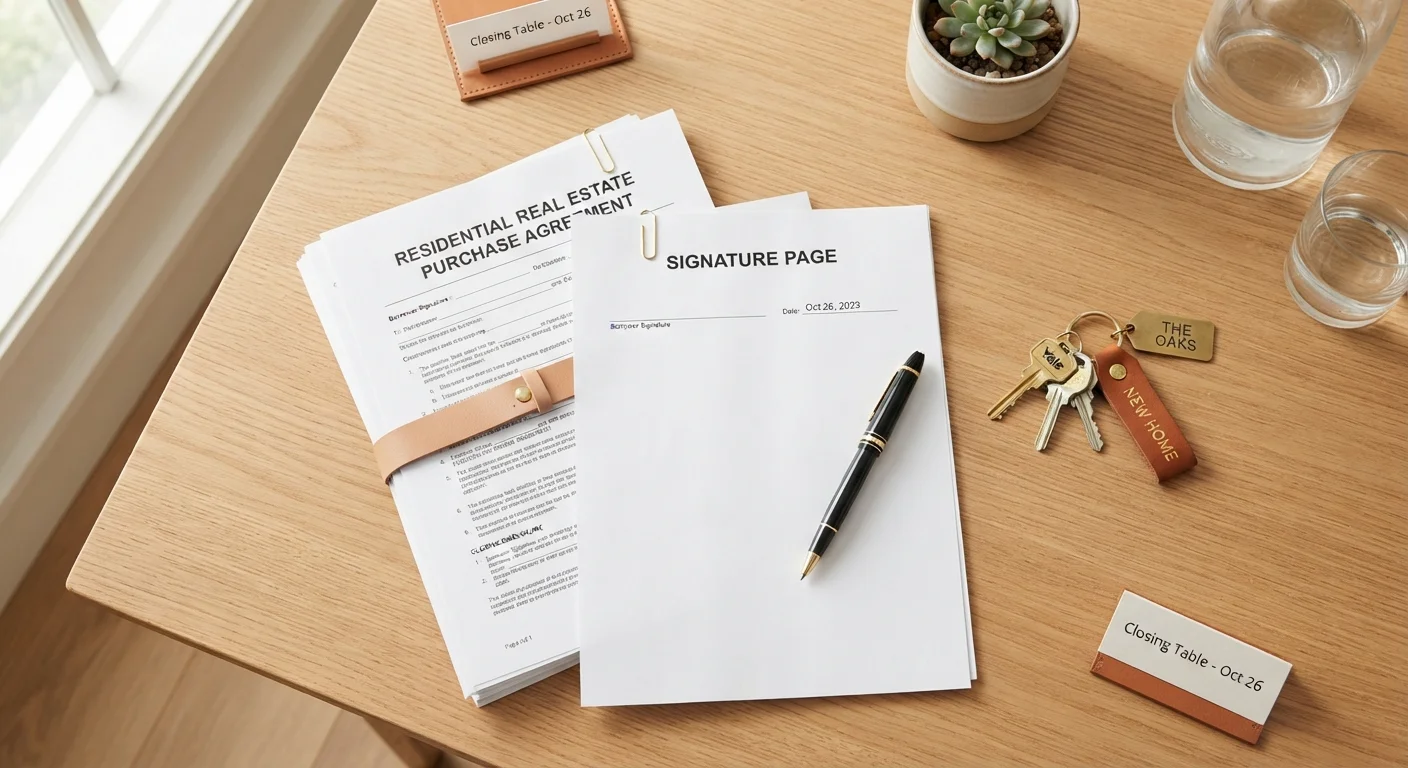
Photo: TotemBuzz.com | Your Lifestyle Companion editorial
Key Takeaways
- Settlement is the final stage of buying a home — after this, you're the legal owner.
- You'll need to bring a government-issued ID, a cashier's check or wire confirmation, and any required documents your lender specifies.
- A settlement agent or closing attorney coordinates the paperwork and fund transfers.
- Expect to sign a significant stack of documents, including the deed, loan agreement, and closing disclosure.
- Problems caught before settlement day — like title issues — are much easier to resolve than after closing.
What Settlement Actually Is
If you're buying a home for the first time, "settlement" might sound like a vague legal formality. In practice, it's the finish line — the meeting where every piece of the transaction comes together and ownership officially transfers from seller to buyer.
Settlement goes by different names depending on where you are. You'll hear it called closing, escrow closing, or just the closing date. Whatever it's called, the outcome is the same: once it's done, you're the legal owner of the property.
Before you get to settlement day, it helps to understand the full buying process. If you're still getting comfortable with terms like mortgage, title, and equity, the real estate glossary is a good place to start.
Who's In the Room
Settlement isn't a solo event. Several parties typically participate, and it helps to know who does what.
- Settlement agent or closing attorney: This person — or firm — coordinates the whole process. They prepare the documents, handle the transfer of funds, and make sure the title is properly recorded. Depending on your state, this role may be filled by a title company, escrow company, or real estate attorney.
- Buyer: That's you. You'll be signing a lot of paperwork and providing the funds needed to close.
- Seller: They sign the deed transferring ownership to you and receive the sale proceeds.
- Lender representative: If you're financing the purchase with a mortgage, a representative may attend or send closing documents in advance.
- Real estate agents: Your agent and the seller's agent may attend, though their active role at this stage is limited.
Not Every State Works the Same Way
What Happens Step by Step
Settlement follows a fairly predictable sequence, even if the exact order varies slightly by state or transaction type.
- Document review and signing: The bulk of the meeting involves signing documents — the closing disclosure (which itemizes all costs), the deed, the promissory note (if you have a mortgage), and various legal disclosures.
- Payment of closing costs: You'll pay any remaining closing costs and the down payment balance, usually via cashier's check or wire transfer. Cash is not accepted.
- Title transfer: The seller signs the deed over to you. The settlement agent then submits it to the county recorder's office to be officially logged in the public record.
- Key handover: Once everything is confirmed, the keys change hands. You're now the owner.
The whole process usually takes one to two hours. Bring a valid government-issued photo ID and confirm with your settlement agent what form of payment is required.
Read Your Closing Disclosure Before the Day
What Can Go Wrong — and How to Avoid It
Settlement day problems are rare when preparation is thorough, but they do happen. Common issues include:
- Title problems: A title search done before settlement checks for liens, unpaid taxes, or competing ownership claims. If something surfaces late, it can delay closing.
- Funding delays: Wire transfers can be held up by banks. Confirm your transfer at least 24 hours ahead of your closing time.
- Document errors: A misspelled name or wrong loan figure can halt signing. Review your closing disclosure carefully when you receive it — typically at least three business days before closing.
Understanding your ownership structure before you close also matters. Whether the property is freehold or leasehold affects your long-term rights as an owner — see freehold vs. leasehold explained for a breakdown.
If you're still in earlier stages of the buying process, run through the pre-offer checklist to make sure you're set up for a smooth path to settlement.
~50
Documents signed at a typical closing
Buyers commonly sign anywhere from 40 to 60 documents at settlement, covering loan terms, disclosures, and title transfer paperwork.
2–5%
Typical closing cost range for buyers
According to the Consumer Financial Protection Bureau, buyers can generally expect to pay between 2% and 5% of the loan amount in closing costs.
This article is for general informational purposes only and does not constitute legal or financial advice. Consult a licensed real estate attorney or settlement professional for guidance specific to your situation and state.
Frequently Asked Questions
The content on this site is for informational purposes only and is not a substitute for professional advice. Always consult a qualified professional for guidance specific to your situation.