
Freehold vs. Leasehold: The Ownership Structure That Shapes Everything

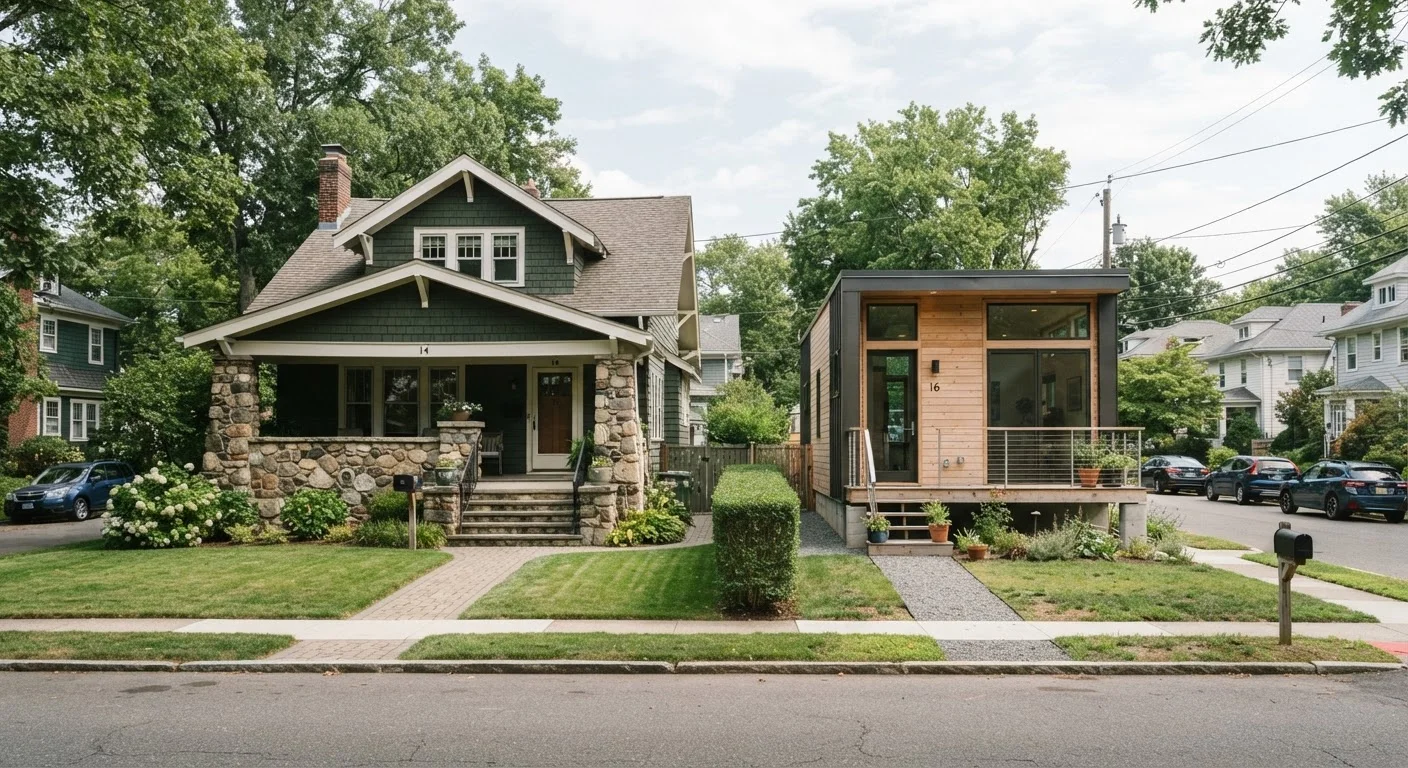
Photo: TotemBuzz.com | Your Lifestyle Companion editorial
Key Takeaways
- Freehold means you own both the property and the land beneath it outright, with no expiry date.
- Leasehold means you own the property for a fixed term but not the land — the freeholder retains ground rights.
- Leasehold properties often carry ongoing fees, restrictions, and lease-renewal costs that add up over time.
- In the US, leasehold arrangements are less common than in the UK but do exist, especially in condos and vacation communities.
- Always review the remaining lease term and any ground rent clauses before making an offer on a leasehold property.
- A real estate attorney can clarify ownership structures before you commit to a purchase contract.
What Freehold Actually Means
When a property is described as freehold, it means the owner holds full, permanent title to both the building and the land it stands on. There is no landlord above you, no lease that runs out, and no ground rent to pay. Once the transaction closes, that property is yours indefinitely — subject only to local zoning laws, property taxes, and any homeowner association rules that may apply.
In the United States, freehold ownership — also called fee simple in legal terms — is the standard expectation for detached single-family homes. It's the clearest form of ownership in real estate: you own it outright, you can sell it, leave it to heirs, or renovate it (within local permit requirements) without needing a third party's permission.
For a broader grounding in property vocabulary, see our glossary of real estate terms — it covers fee simple and dozens of other concepts you'll encounter during the buying process.
| Criterion | Freehold | Leasehold |
|---|---|---|
| Land ownership | Owned outright by buyer | Retained by freeholder |
| Duration | Permanent, no expiry | Fixed term (e.g. 50–999 years) |
| Ground rent | None | Periodic payment to freeholder |
| Renovation freedom | Subject to local permits only | May require freeholder consent |
| Mortgage availability | Generally straightforward | Can be restricted on short leases |
| Resale complexity | Lower | Higher, especially near lease end |
| Common property type (US) | Single-family homes | Some condos, resort properties |
What Leasehold Actually Means
Leasehold is a different arrangement. You purchase the right to occupy and use a property for a defined number of years, but the underlying land — and sometimes the building structure — remains owned by a separate party called the freeholder or ground lessor. When the lease expires, ownership reverts to the freeholder unless extended through a negotiated agreement.
Leasehold is far more prevalent in the United Kingdom than in the US, where it's primarily associated with condominiums, co-ops, and certain planned communities or resort properties. In a typical US condo purchase, you own your unit outright (often a form of fee simple), but the land and common areas are collectively held — which is a related but distinct concept. True leasehold arrangements in the US do exist, particularly in Hawaii and some coastal resort markets, where a developer or trust retains land ownership and sells only the right to occupy.
US vs. UK: An Important Distinction
If you're buying into a shared building, you'll also want to understand how shared costs and governance work. Our guide on strata and body corporate ownership explains the day-to-day implications of shared-property structures.
The Practical Differences That Matter Most
The ownership structure shapes more than a legal document. It affects what you can do with the property, what it costs to hold, and how easy it is to sell or finance later.
~4.9M
Leasehold dwellings in England (estimated)
According to the UK Government's English Housing Survey, around 4.9 million homes in England were leasehold as of recent estimates — illustrating how significant the distinction is in that market.
80 years
Common lease-length threshold for mortgage risk
Many UK lenders consider a remaining lease term below 80 years a lending risk; similar caution applies among US lenders evaluating ground leases on condos or resort properties.
- Ongoing costs: Leasehold properties typically carry ground rent — a periodic payment to the freeholder — as well as service charges for building maintenance. Freehold properties have no equivalent obligation (though HOA fees may apply in planned communities).
- Lease term: A short remaining lease — generally considered anything under 80 years in UK contexts — can make a property harder to mortgage and harder to sell. In US leasehold situations, lenders may be cautious about properties with fewer than 30–40 years remaining on the ground lease.
- Restrictions: Freeholders can place conditions in a lease that restrict renovations, subletting, or even pet ownership. Freehold owners face no such restrictions from a landlord.
- Resale: Leasehold properties can be harder to market and may require the freeholder's consent for certain transfers. Freehold titles are generally simpler to convey.
Settlement — the final closing step — will surface any outstanding lease obligations or encumbrances on the title. Our overview of what happens at settlement walks through what to expect on the day.
Questions to Ask Before You Make an Offer
If a property you're considering is leasehold, these are the questions a buyer's attorney or real estate agent should be able to answer before you proceed:
- How many years remain on the lease? The longer, the better. A lease with fewer than 80 years remaining can trigger problems with financing and resale.
- What is the annual ground rent, and does it escalate? Some leases include clauses that double ground rent every 10 or 25 years — a serious long-term cost issue.
- What restrictions does the lease place on the property? Review subletting, renovation, and use clauses carefully.
- Has the freeholder maintained the building responsibly? In leasehold buildings, the freeholder typically controls structural repairs. Ask for maintenance records.
- Can the lease be extended, and at what cost? Lease extension can be expensive and requires negotiation with the freeholder.
Whatever ownership structure applies, having a licensed real estate attorney review the title documents before you exchange contracts is always a sound step. This article provides general information only and is not legal advice tailored to your situation.
This article is for general informational purposes only and does not constitute legal or financial advice. Consult a licensed real estate attorney or qualified professional before making property decisions.
The content on this site is for informational purposes only and is not a substitute for professional advice. Always consult a qualified professional for guidance specific to your situation.