
The Pros and Cons of Buying Off the Plan

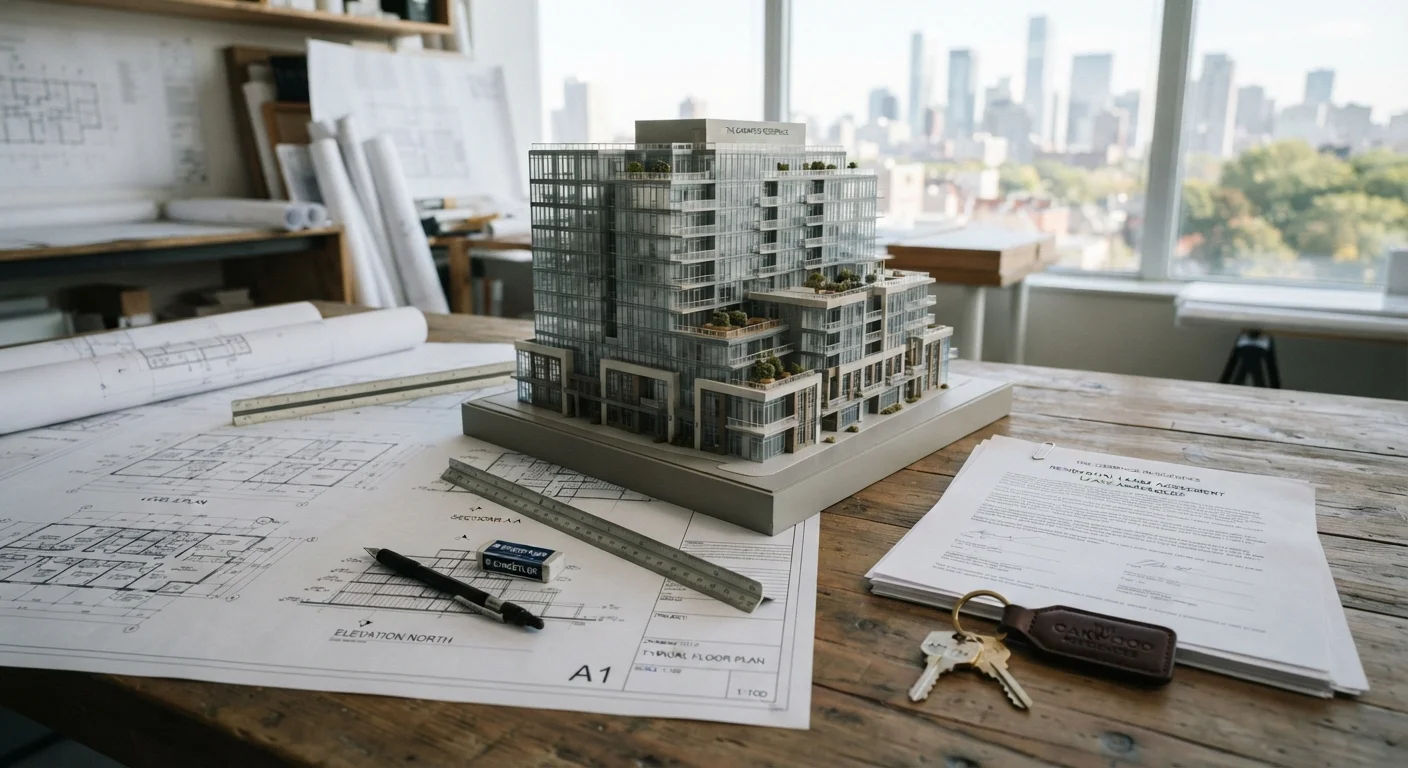
Photo: TotemBuzz.com | Your Lifestyle Companion editorial
Key Takeaways
- Buying off the plan means purchasing a property before construction is complete, using developer plans.
- Buyers may lock in today's price, but the finished property could differ from expectations.
- Settlement risk, construction delays, and developer insolvency are real concerns to understand.
- Off-the-plan purchases often involve a long gap between contract signing and settlement.
- Independent legal and financial advice is strongly recommended before signing any contract.
Lock in today's purchase price
You agree on a price now, even though settlement is years away. If property values rise during construction, you could pay less than market value at the time you move in.
Lower upfront deposit required
Many off-the-plan contracts require only a 10% deposit at signing, with the remainder due at settlement — giving buyers more time to save the balance.
Brand-new property with modern finishes
New builds typically come with contemporary layouts, energy-efficient appliances, and builder warranties, reducing the likelihood of immediate maintenance costs.
Potential stamp duty concessions
Some US states and territories offer reduced transfer taxes or concessions for new or off-the-plan properties, though rules vary significantly by location and should be verified locally.
Time to organise finances before settlement
The extended timeline between signing and settlement can give buyers a useful runway to improve their financial position before they need the full loan approved.
Property may differ from what was shown
Display suites are designed to impress, and contracts often allow developers to make changes to materials, layouts, or finishes. The finished product may not match your expectations.
Construction delays are common
Supply chain issues, labour shortages, or planning complications can push completion dates back by months or even years, disrupting your moving or rental plans.
Risk of developer insolvency
If the developer goes out of business before completing the project, you may face lengthy legal proceedings to recover your deposit, with no guarantee of a full refund.
Property values can fall before settlement
You agreed to a price based on today's market. If values drop before settlement, your lender will only lend against the lower valuation, leaving you to cover the gap.
Limited ability to inspect before buying
Unlike an established property, you cannot walk through the actual home before committing. You're making a significant financial decision based on plans and a showroom.
Sunset clauses can work against buyers
Some contracts include sunset clauses that allow developers to cancel the contract if construction isn't complete by a certain date — sometimes used strategically to re-sell at higher prices.
What Does 'Buying Off the Plan' Mean?
When you buy off the plan, you're agreeing to purchase a property — usually an apartment or townhouse in a new development — before it's been built. You sign a contract and pay a deposit based on architectural drawings and display suites, not a finished home.
Settlement (when you pay the balance and take ownership) typically happens once construction is complete, which can be anywhere from one to three or more years away. A lot can change in that window — in the market, in your finances, and in the building itself.
If you're still deciding whether buying makes sense for you at all, it's worth reading our guide to renting vs. buying before going further.
The Advantages Worth Knowing
There are genuine reasons buyers choose this route, particularly first-timers working with a tighter budget or a longer time horizon.
Lock in today's purchase price
You agree on a price now, even though settlement is years away. If property values rise during construction, you could pay less than market value at the time you move in.
Lower upfront deposit required
Many off-the-plan contracts require only a 10% deposit at signing, with the remainder due at settlement — giving buyers more time to save the balance.
Brand-new property with modern finishes
New builds typically come with contemporary layouts, energy-efficient appliances, and builder warranties, reducing the likelihood of immediate maintenance costs.
Potential stamp duty concessions
Some US states and territories offer reduced transfer taxes or concessions for new or off-the-plan properties, though rules vary significantly by location and should be verified locally.
Time to organise finances before settlement
The extended timeline between signing and settlement can give buyers a useful runway to improve their financial position before they need the full loan approved.
One thing to keep in mind: some of these benefits — like price growth or developer incentives — are not guaranteed. They depend on market conditions and individual circumstances. Treat them as possibilities, not certainties.
The Risks You Shouldn't Overlook
Every off-the-plan purchase comes with a set of risks that are easy to underestimate, especially when a glossy display suite makes everything look perfect.
Property may differ from what was shown
Display suites are designed to impress, and contracts often allow developers to make changes to materials, layouts, or finishes. The finished product may not match your expectations.
Construction delays are common
Supply chain issues, labour shortages, or planning complications can push completion dates back by months or even years, disrupting your moving or rental plans.
Risk of developer insolvency
If the developer goes out of business before completing the project, you may face lengthy legal proceedings to recover your deposit, with no guarantee of a full refund.
Property values can fall before settlement
You agreed to a price based on today's market. If values drop before settlement, your lender will only lend against the lower valuation, leaving you to cover the gap.
Limited ability to inspect before buying
Unlike an established property, you cannot walk through the actual home before committing. You're making a significant financial decision based on plans and a showroom.
Sunset clauses can work against buyers
Some contracts include sunset clauses that allow developers to cancel the contract if construction isn't complete by a certain date — sometimes used strategically to re-sell at higher prices.
Sunset Clauses: Read the Fine Print
Before you sign anything, have an independent property lawyer review the contract. Pay close attention to any clauses that allow the developer to make changes to the building's specifications — these are more common than many buyers realise.
What to Check Before You Commit
If you're seriously considering an off-the-plan purchase, a little due diligence goes a long way.
- Research the developer: Look at their completed projects. Have they delivered on time and to spec before?
- Understand the contract terms: What happens if construction is delayed? Can the developer substitute materials or alter floor plans?
- Get your finance pre-assessed: Lenders value the property at settlement, not at the time you signed. If values fall, your loan may not cover the agreed price.
- Factor in all costs: Stamp duty, legal fees, and body corporate levies can add up. Our article on the hidden costs of buying a home breaks these down clearly.
- Check strata arrangements: Most off-the-plan apartments fall under strata or body corporate rules. See our explainer on strata and body corporate to understand what that means for ongoing costs.
1–3+ years
Typical gap between signing and settlement
Construction timelines for new apartment developments commonly range from one to three or more years, according to general industry estimates.
10%
Typical deposit required at contract signing
Most off-the-plan contracts in the US and comparable markets require a 10% deposit upfront, with the balance payable at settlement.
This article is for general informational purposes only and does not constitute legal, financial, or investment advice. Speak with a licensed property lawyer and a qualified financial adviser before making any property purchasing decision.
The content on this site is for informational purposes only and is not a substitute for professional advice. Always consult a qualified professional for guidance specific to your situation.