
Building a Women's Health Routine: A Practical Starting Point

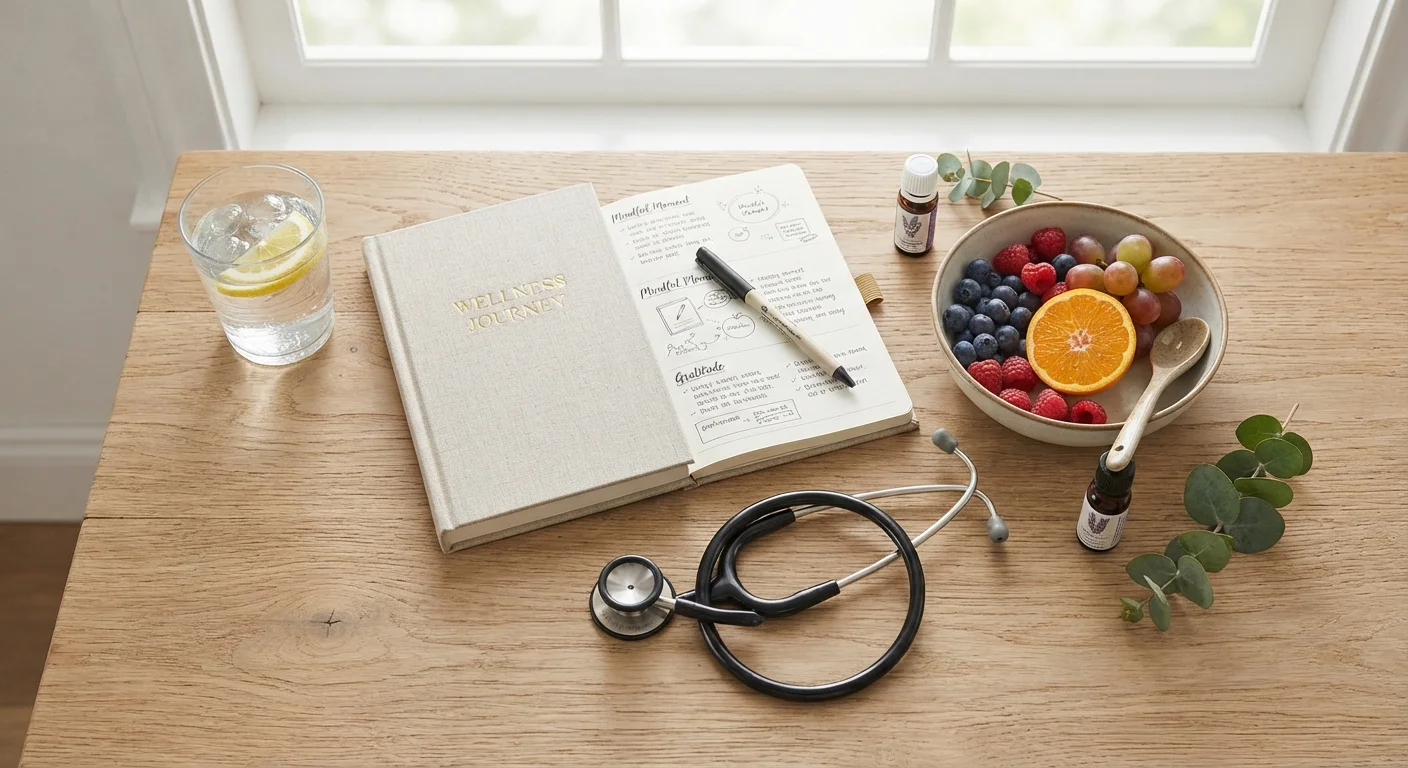
Photo: TotemBuzz.com | Your Lifestyle Companion editorial
Key Takeaways
- Annual preventive screenings are one of the most impactful investments in long-term health.
- Women's health needs shift across life stages — a routine built today can evolve with you.
- Daily habits like sleep, movement, and hydration form the foundation of everything else.
- Mental and emotional well-being are integral parts of a complete women's health routine.
- Always consult a qualified healthcare provider for personal medical decisions and screenings.
Why a Women's Health Routine Matters
Many women are the primary health managers for their families — yet their own care often comes last. A personal health routine isn't about perfection; it's about building a reliable system so that nothing critical gets overlooked year after year.
Women face a distinct set of health considerations — from hormonal changes across the menstrual cycle and pregnancy to menopause and beyond — that make proactive, personalized care especially important. The good news is that a strong foundation doesn't require an overwhelming number of appointments or habits. It starts with knowing what to prioritize.
This checklist is organized into key areas of women's health so you can audit where you're already doing well and spot any gaps worth discussing with your doctor. For a broader starting point on physical health fundamentals, see our beginner's guide to physical health.
This article provides general health information for educational purposes only and is not a substitute for personalized medical advice. Please consult a qualified healthcare professional for guidance specific to your health needs.
This Is Not Medical Advice
What You'll Need to Get Started
Before working through the checklist, gather a few basic resources to make the process more effective. Having these ready will help you turn this audit into a real action plan.
Primary care provider contact information
Needed to schedule an annual well-woman exam and any referrals for specialist screenings.
Personal health records or a simple tracking notebook
Helps you log past screenings, vaccination dates, and medications to review with your doctor.
Insurance card and coverage summary
Lets you check which preventive screenings are covered before scheduling appointments.
Family medical history notes
Knowing hereditary conditions helps your provider tailor screening recommendations to your risk profile.
Period or cycle tracking app or journal
Tracking menstrual patterns over time gives your provider useful information about hormonal health.
Your Women's Health Checklist
Work through each category at your own pace. Items marked must are foundational; should items are strongly recommended; and nice-to-have items are meaningful enhancements when you're ready for them. Use this alongside a weekly self-care checklist to stay consistent between annual reviews.
Preventive Screenings & Check-Ups
Reproductive & Hormonal Health
Daily Physical Health Habits
Mental & Emotional Well-Being
Don't Skip Screenings When You Feel Fine
Building Habits That Last
A checklist is only useful if it connects to real daily behavior. Once you've audited your current routine, pick one or two gaps to address this month rather than trying to fix everything at once. Research on habit formation consistently shows that smaller, specific changes are far more sustainable than sweeping overhauls.
Movement is one of the most evidence-supported pillars of women's long-term health, affecting everything from bone density to mood regulation. If structured exercise feels like a stretch right now, understanding the four pillars of fitness can help you find a realistic entry point.
If you're thinking about reproductive health or family planning, general education is a good first step. Fertility awareness basics can inform the kinds of questions worth raising with your gynecologist during your next visit.
Finally, remember that a health routine isn't static. Life stages — your 20s, 30s, 40s, and beyond — bring genuinely different priorities. Build in a brief annual review of this checklist so your habits grow with you.
The content on this site is for informational purposes only and is not a substitute for professional advice. Always consult a qualified professional for guidance specific to your situation.