
Reading Food Labels: A Practical Skill for Everyday Nutrition

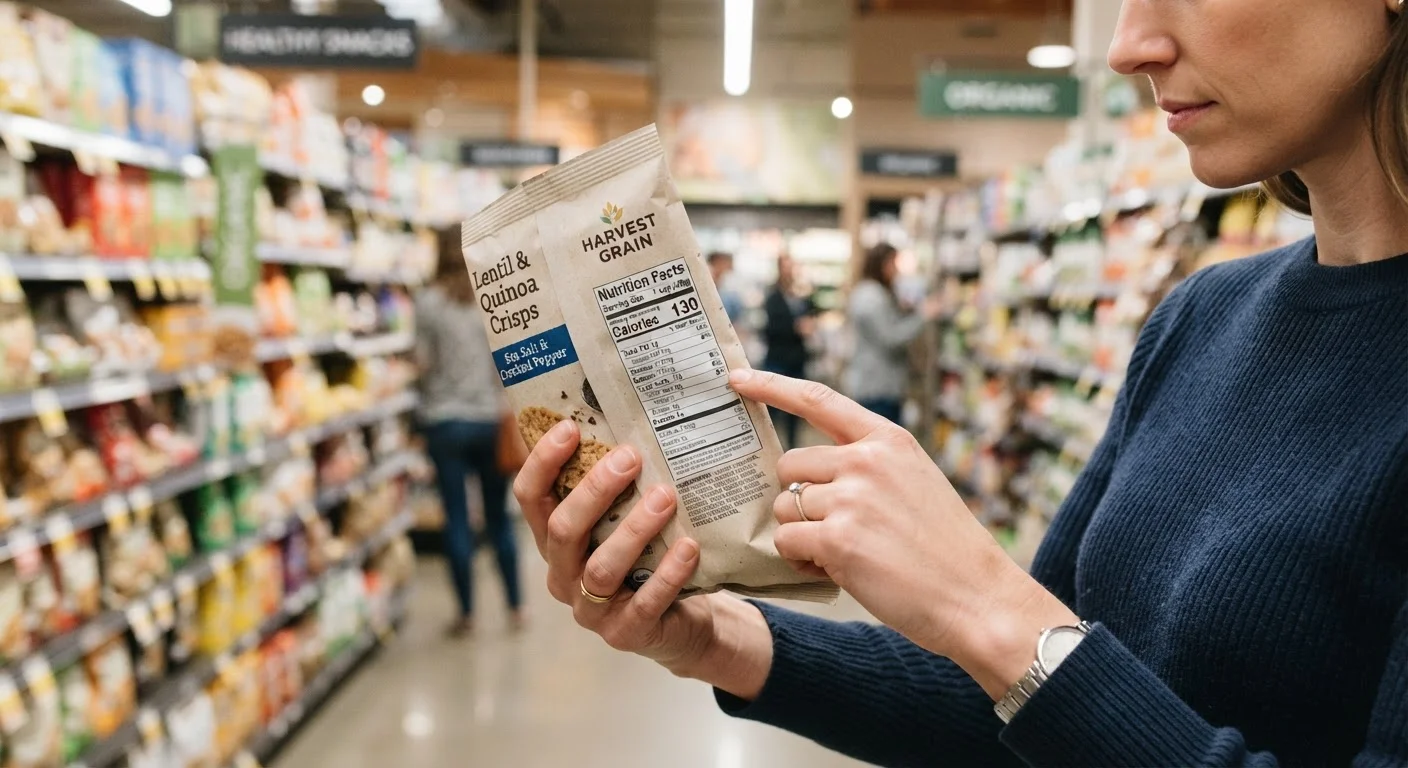
Photo: TotemBuzz.com | Your Lifestyle Companion editorial
Key Takeaways
- Serving size is the foundation of every number on a nutrition panel — always check it first.
- The ingredient list reveals what's actually in the food, ordered by weight from most to least.
- Front-of-pack claims like 'light' or 'natural' are marketing terms and don't replace reading the full label.
- Percent Daily Values (% DV) help you judge whether a nutrient amount is high or low at a glance.
- You don't need to memorize every nutrient — focus on the handful most relevant to your health goals.
Why Food Labels Matter for Everyday Eating
Most of us make dozens of food choices each week without much information to guide us. Packaged food labels exist to bridge that gap — but they're only useful if you know how to read them. The Nutrition Facts panel, required by the FDA on most packaged foods in the United States, gives you standardized data on calories, nutrients, and ingredients for every product you pick up.
Understanding labels isn't about becoming a nutrition expert overnight. It's about developing a repeatable habit that helps you compare products, spot marketing language, and understand what you're actually eating. Think of it as a practical literacy skill — similar to learning to read a price tag or, for that matter, a product specification sheet before a purchase.
What you will need
If you have pets as well as family members to feed, you may find it interesting that the same label-reading logic applies to pet food. Our guide to reading pet food labels walks through how those panels work for animal nutrition.
This Is General Information, Not Medical Advice
Step-by-Step: How to Read a Nutrition Facts Label
Follow these steps the next time you pick up a packaged product. You'll need the food item itself — grab anything from your pantry or fridge to practice along.
Packaged food product
Provides a real Nutrition Facts label to practice reading as you follow each step.
Pen and notepad (or phone notes app)
Useful for jotting down key figures — serving size, calorie count, nutrients — while you practice.
Start with the serving size
At the very top of every Nutrition Facts panel you'll find two pieces of information: serving size and servings per container. Every single number on the label — calories, fat, sodium, everything — refers to one serving, not the whole package.
Check whether what you'd realistically eat in one sitting matches that serving size. If the bag lists a serving as 28 g but you typically pour double that, all the values on the label effectively double for your portion.
Note the calorie count
Calories are displayed in large type directly below the serving size. This figure tells you how much energy one serving provides. Calorie needs vary widely by age, sex, activity level, and health status — there is no single 'right' number for everyone.
Use the calorie count as context, not a verdict. A higher-calorie food isn't automatically unhealthy, and a low-calorie product isn't automatically nutritious.
Review the nutrients to limit
The panel lists nutrients that many people consume in excess. These typically include:
- Saturated fat — linked in research to cardiovascular considerations when consumed in high amounts
- Sodium — relevant for blood pressure management for many adults
- Added sugars — distinct from naturally occurring sugars; appear on labels as a sub-line under total sugars
The % Daily Value (% DV) column to the right shows what percentage of a general daily intake guideline one serving provides. A % DV of 20% or more is generally considered high for these nutrients.
Look for nutrients to seek out
Beneath the 'limit' nutrients, labels list those that support good health and that many Americans don't get enough of. Common examples include:
- Dietary fiber — supports digestive health and satiety
- Vitamin D, calcium, iron, and potassium — nutrients with documented shortfall concerns in the general US population
- Protein — essential for muscle maintenance, among other functions
For these, a higher % DV is generally favorable. Aim for foods that contribute meaningfully (10% DV or more) to these nutrients across your daily meals.
Read the ingredient list
The ingredient list is separate from the Nutrition Facts panel but equally important. Ingredients are listed in descending order by weight — what appears first makes up the largest proportion of the product.
A few things to look for:
- If a whole food (like whole grain oats or a vegetable) appears near the top, the product is largely made of that ingredient.
- Added sugars can appear under many names: corn syrup, dextrose, maltose, cane juice, and others. Multiple sugar names scattered through the list may indicate a high combined sugar content.
- A very long ingredient list isn't automatically harmful, but it can help you understand how processed a product is.
Put it all together across a meal
Reading one label is useful; comparing a few across a meal gives you a broader picture. For example, if your breakfast cereal is already high in sodium, you might choose a lower-sodium option for lunch. Labels are tools for building awareness — not rigid scorecards.
Over time, reading labels becomes quick and intuitive. You'll find yourself noticing serving sizes and % DV values almost automatically.
Use % DV as Your Quick Compass
Front-of-Pack Claims Can Be Misleading
For a broader look at making confident, informed choices wherever you shop, the Smarter Shopping hub offers a range of practical beginner guides.
This article is for general informational and educational purposes only. It is not intended as medical, nutritional, or dietary advice. Always consult a registered dietitian or qualified healthcare professional for guidance tailored to your individual health needs.
The content on this site is for informational purposes only and is not a substitute for professional advice. Always consult a qualified professional for guidance specific to your situation.