
The Hidden Costs of Owning a Car That First-Time Buyers Rarely Anticipate

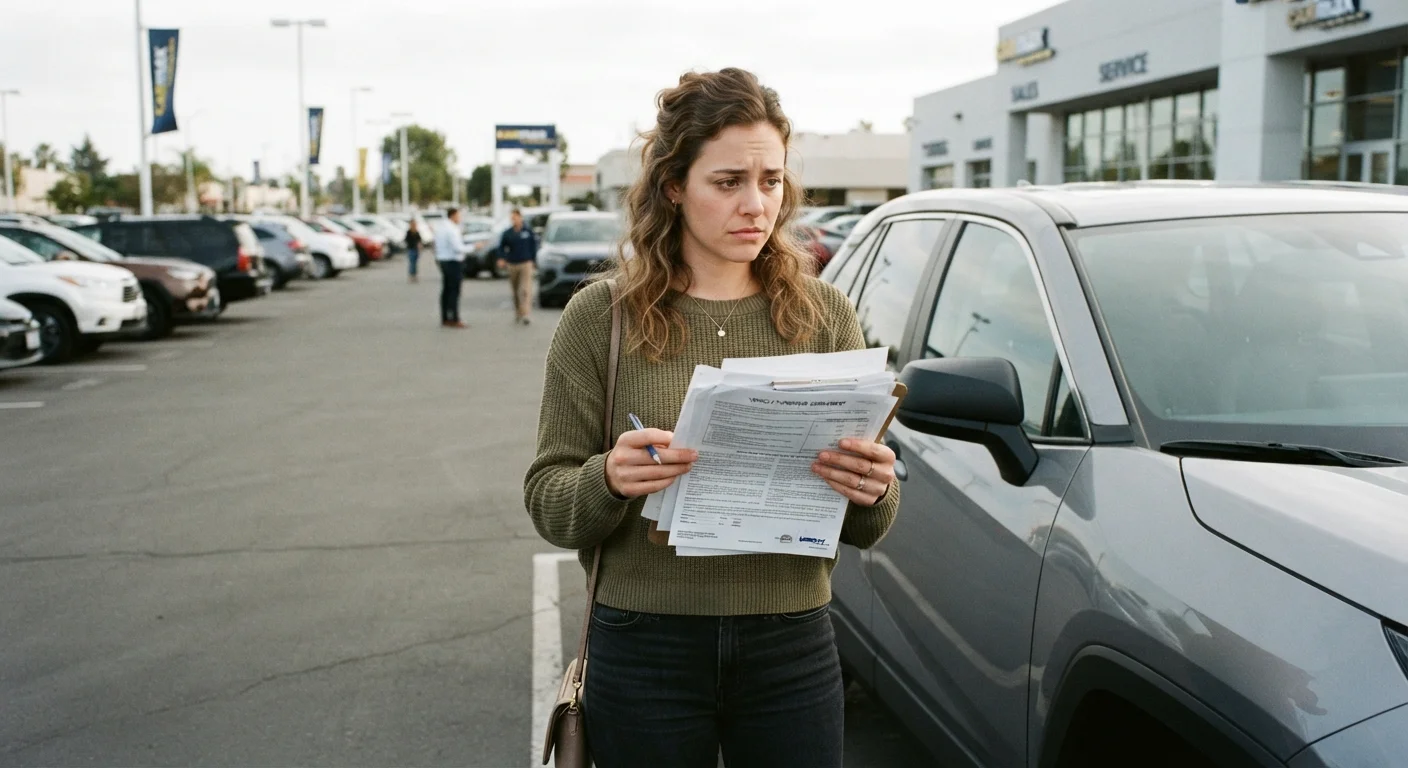
Photo: TotemBuzz.com | Your Lifestyle Companion editorial
Key Takeaways
- Car insurance, registration, and taxes add hundreds to thousands of dollars beyond the purchase price annually.
- Routine maintenance costs — oil changes, tires, brakes — are predictable but frequently left out of first-time buyer budgets.
- Depreciation silently reduces a vehicle's resale value from the moment you drive off the lot.
- Fuel, parking, and tolls are recurring daily costs that compound significantly over a year.
- An emergency repair fund specific to your vehicle can prevent a single breakdown from derailing your finances.
Why the Purchase Price Is Only the Starting Point
Buying a car feels like the big financial moment — and it is. But for many first-time owners, the real surprise comes in the months that follow. Registration fees, insurance premiums, fuel, maintenance, and unexpected repairs stack up quickly, often outpacing what buyers set aside. If you're preparing for your first vehicle purchase, this guide to first-year car ownership is a strong companion read.
Understanding the full cost picture before you sign anything is one of the most practical things a new buyer can do. The mistakes below aren't unusual — they're nearly universal among first-time owners. Knowing them in advance puts you ahead.
Ignoring insurance costs until after the purchase is finalized.
Forgetting to budget for registration, title fees, and annual taxes.
Underestimating routine maintenance — oil changes, tires, brake pads, filters.
Not accounting for depreciation when planning resale or trade-in value.
Leaving no room in the budget for unexpected repairs.
Overlooking the daily running costs of fuel, parking, and tolls.
Building a Realistic Ownership Budget
Once you understand the cost categories, the next step is weaving them into a monthly budget. Analysts and consumer finance sources consistently recommend treating your total vehicle costs — not just the loan payment — as a single line item. That means adding up insurance, average fuel spend, a monthly maintenance reserve, and registration costs divided across 12 months.
~$12,000
Average annual cost to own and operate a vehicle
According to AAA's annual 'Your Driving Costs' study, the average American driver spends roughly $12,000 per year when all ownership costs are combined.
~20%
Typical first-year depreciation on a new car
Industry research commonly estimates that new vehicles lose around 15–20% of their value within the first year of ownership, with depreciation continuing over subsequent years.
If you've never built a personal budget before, this start-to-finish budget walkthrough lays out the process in plain language. Car costs fit neatly into the framework it describes. It's also worth noting that the hidden-cost problem isn't unique to cars — home buyers face the same pattern, where taxes, inspections, and fees quietly inflate the true price of ownership.
Don't Let a Loan Payment Dominate Your Thinking
Finally, don't rely solely on rules of thumb you find online. Costs vary considerably by state (registration fees differ widely), by driver profile (age and driving history affect insurance rates), and by vehicle type and age. Use real quotes and your actual numbers. Car ownership myths often inflate or deflate these figures in ways that leave new drivers caught off guard.
This article is for general informational purposes only and does not constitute financial or legal advice. Consult a qualified financial professional for guidance specific to your circumstances.
The content on this site is for informational purposes only and is not a substitute for professional advice. Always consult a qualified professional for guidance specific to your situation.