
Online vs. In-Store Shopping: What Each Gets Right

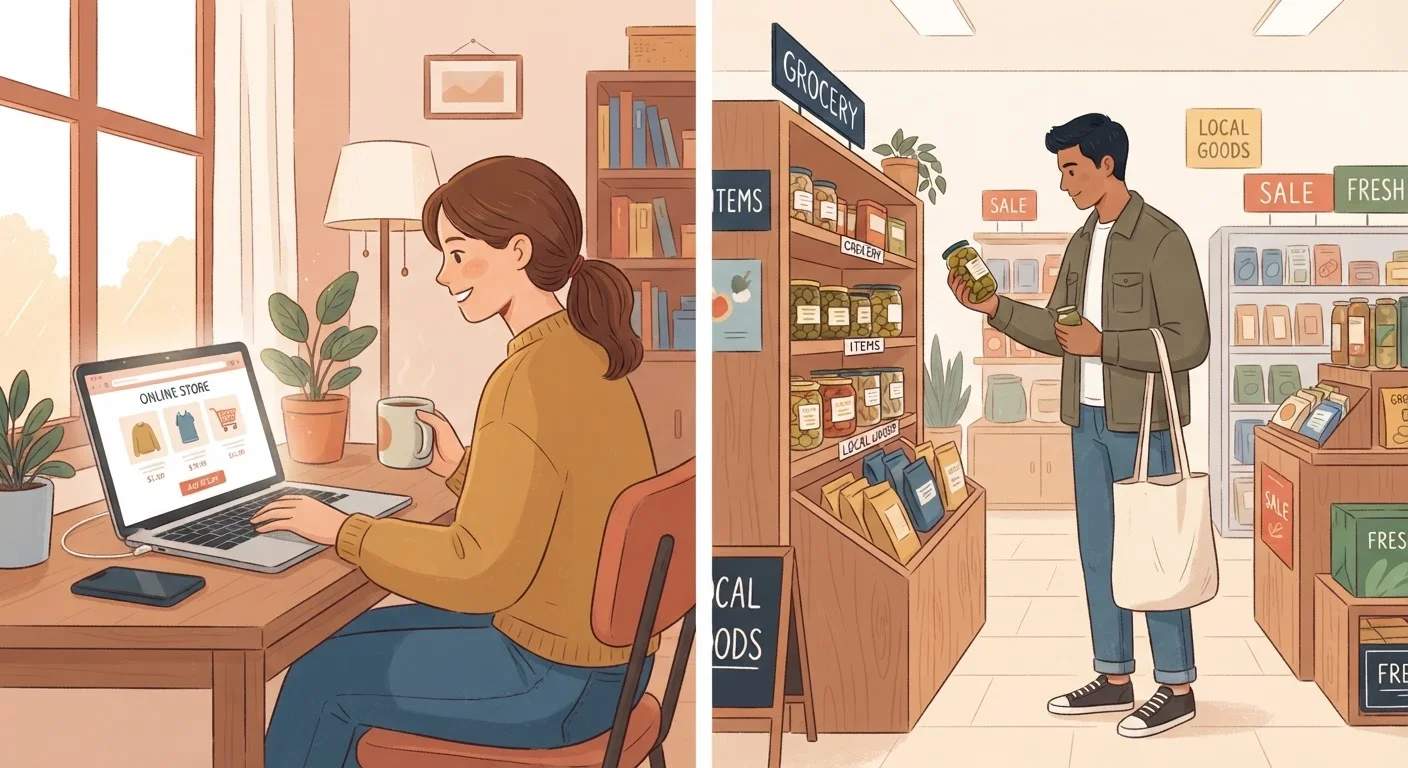
Photo: TotemBuzz.com | Your Lifestyle Companion editorial
Key Takeaways
- Online shopping offers broader selection and easier price comparison, but you can't physically inspect items before buying.
- In-store shopping lets you see, touch, and take home items immediately, but your selection is limited to what's in stock.
- Return policies and consumer protections differ meaningfully between channels — always read the terms before purchasing.
- Neither channel is universally better; the right choice depends on what you're buying and what matters most to you.
- Understanding your rights as a shopper helps you handle problems confidently in either setting.
What Online Shopping Gets Right
The most obvious advantage of shopping online is convenience: you can browse, compare, and purchase at any hour without traveling anywhere. This is especially useful when you're researching an unfamiliar product category and want to read reviews, check specifications, or cross-reference options side by side.
Online channels also tend to offer a wider selection than any single physical store. If you're looking for a specific size, color, or model, local stock is a real constraint that online retailers typically don't share.
That said, online shopping carries meaningful risks worth understanding before you click confirm. You can't physically inspect an item — photos and descriptions can be misleading, and products sometimes arrive looking or feeling different than expected. Shipping timelines add waiting, and returns can involve repackaging, postage costs, and multi-day processing windows. Before finalizing any online purchase, it's worth running through a structured check — our pre-purchase checklist for online orders covers the key questions to ask about the seller, return terms, and payment security.
| Criterion | Online Shopping | In-Store Shopping |
|---|---|---|
| Selection | Very broad; national and global inventory | Limited to local stock |
| Ability to inspect item | Photos and descriptions only | Full physical inspection |
| How quickly you receive the item | Shipping required (hours to weeks) | Immediate |
| Price comparison ease | Easy — multiple tabs, comparison tools | Manual; requires visiting multiple stores |
| Return process | Varies; often requires repackaging and shipping | Generally simpler in person |
| Shopping hours | 24/7 | Store hours only |
| Fraud and scam exposure | Higher risk from unknown sellers | Lower; established physical presence |
What In-Store Shopping Gets Right
Buying in person gives you something no screen can replicate: direct, physical access to the product before you commit. You can check the quality of a fabric, test how a piece of furniture feels, or confirm a device's size fits your expectations. For categories where sensory details drive satisfaction — clothing, appliances, fresh goods — this matters a great deal.
In-store shopping also removes the shipping variable entirely. If you need something today, or simply don't want to manage a delivery window, walking out of a store with your purchase is a genuine advantage.
Returns, while not always hassle-free, are often simpler in person. There's no packaging to reassemble, no return label to print, and you can speak directly with a staff member if something is wrong. Knowing what a store's return policy covers before you shop helps — see our guide to understanding return policies for what to look for.
The tradeoffs are real too: store hours limit access, inventory is constrained, and prices aren't always easy to compare against alternatives on the spot.
~22%
Share of US retail sales made online
The US Census Bureau's quarterly e-commerce reports track online retail as a growing but still-minority share of total retail sales.
1 in 4
Online shoppers who report receiving wrong or damaged items
Consumer research and industry surveys consistently find a significant minority of online orders result in product issues requiring resolution.
Consumer Rights Apply in Both Channels — but Differently
Your rights as a shopper don't disappear based on where you shop, but how they work in practice can vary. Online purchases in the US are generally covered by the retailer's stated return policy, which is not federally mandated to be any particular length — making it essential to read the terms before buying. In-store purchases are similarly governed by store policy for most returns, though certain protections (such as those related to defective goods) may apply under warranty law.
Payment method matters more than many shoppers realize. Paying by credit card often gives you access to dispute resolution mechanisms if a product never arrives or significantly differs from its description — a safeguard that debit cards or digital wallets may not match equally.
For a fuller picture of what you're entitled to as a consumer, our plain-language overview of consumer rights explains refunds, warranties, and what to do when a retailer doesn't cooperate. And if budget is part of your decision-making process, our budgeting principles for shoppers offers practical habits that hold up across both channels.
A Note on Marketplace Third-Party Sellers
The content on this site is for informational purposes only and is not a substitute for professional advice. Always consult a qualified professional for guidance specific to your situation.