
Charging Myths That Most People Still Believe

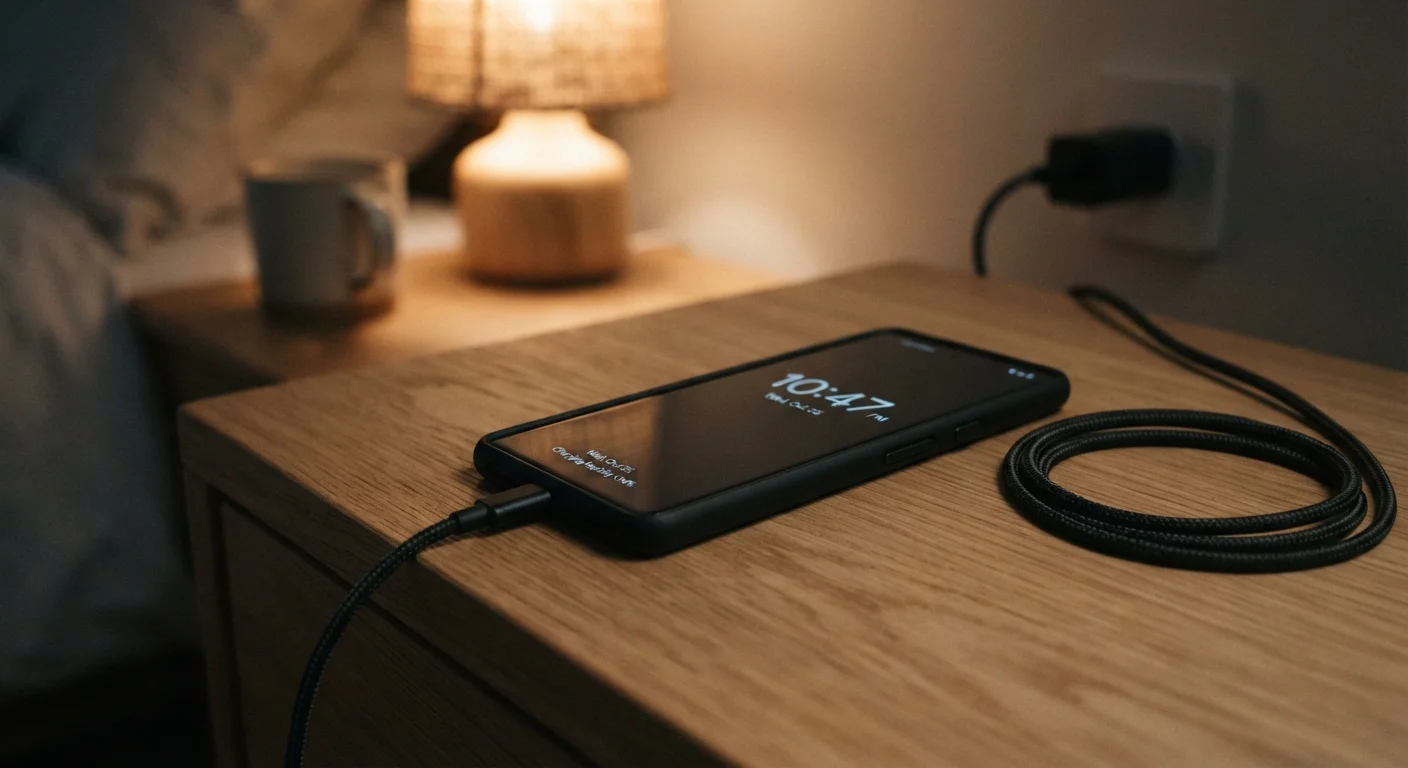
Photo: TotemBuzz.com | Your Lifestyle Companion editorial
Key Takeaways
- Lithium-ion batteries don't need to be fully drained before recharging.
- Modern smartphones have built-in circuits that prevent dangerous overcharging.
- Keeping your battery between 20% and 80% can help extend its lifespan.
- Using a manufacturer-approved charger is safer than using any random cable.
- Heat — not charging frequency — is the biggest threat to battery health.
Why Charging Myths Persist
Smartphone charging advice has been floating around since the early days of mobile phones — and a lot of it hasn't kept up with the technology. The lithium-ion batteries powering today's devices behave very differently from the older nickel-cadmium (NiCd) batteries found in 1990s gadgets. Yet advice meant for that older chemistry still gets passed around as common sense.
Understanding what's actually true can help you get more life out of your device's battery without unnecessary worry. Just like persistent gardening myths or car care misconceptions, outdated charging advice tends to stick around long after the facts have changed.
Myth
You should always drain your battery to 0% before charging it again.
Fact
Lithium-ion batteries don't benefit from full discharge — partial charges are actually healthier for them.
This advice comes from older NiCd battery technology, which could develop a "memory effect" if not fully discharged. Lithium-ion batteries — which power virtually all modern smartphones, tablets, and laptops — have no such requirement. In fact, fully draining a lithium-ion battery repeatedly can stress it and shorten its usable life. Small, frequent top-ups are generally kinder to the chemistry than running it flat.
Myth
Leaving your phone plugged in overnight will overcharge and ruin the battery.
Fact
Modern devices stop drawing current once they reach 100%, so overnight charging doesn't cause overcharging in the traditional sense.
Smartphones and their chargers use built-in management circuits that automatically cut off the charge when the battery is full. Your phone won't keep stuffing electricity into a full battery. That said, some battery researchers suggest that consistently sitting at 100% for long periods can cause very gradual capacity loss — which is why some devices now offer "optimized charging" features that slow down the final charging stage overnight. But this is a minor consideration, not a device-destroying habit.
Myth
Third-party chargers are just as safe as the one that came with your phone.
Fact
Charger quality varies widely; uncertified third-party chargers can pose safety and performance risks.
Not all chargers are made equal. Reputable third-party chargers that carry proper safety certifications (such as UL listing in the US) can work reliably, but very cheap, uncertified chargers may lack the safety circuits that regulate voltage and current properly. This can lead to slower charging, device damage, or in rare extreme cases, overheating. When in doubt, use a charger from the device's manufacturer or a well-known brand with verifiable safety certification.
Myth
Charging your phone to 100% every time is the best practice.
Fact
Battery longevity research suggests keeping lithium-ion cells in the 20%–80% range reduces long-term wear.
Lithium-ion batteries experience more chemical stress at the extreme ends of the charge range — very low and very high. Many battery researchers and device manufacturers now recommend avoiding regular full charges to 100% or full drains to 0% if you want to maximize the battery's lifespan over years of use. Keeping it roughly in the middle range for day-to-day use is a practical goal, though there's no need to be obsessive about the exact number.
Myth
Fast charging permanently damages your battery faster than regular charging.
Fact
Fast charging does generate more heat, but modern implementations include thermal management to limit real-world damage.
Fast charging works by pushing more power into the battery in a shorter time, which does produce more heat — and heat is the genuine enemy of battery longevity. However, device makers design fast-charging systems with heat management in mind, and many phones automatically throttle the charging speed as the battery fills up. Occasional fast charging is unlikely to cause dramatic harm; using it as your only charging method in hot environments is more of a concern than the speed itself.
What Actually Damages a Battery
Once the myths are cleared away, a clearer picture emerges: heat is the primary enemy of battery health. Leaving your phone in a hot car, using it while it charges heavily (which generates heat), or storing it fully charged in a warm environment all accelerate the natural degradation of lithium-ion cells.
Heat Is the Real Battery Killer
Charge cycles — a full discharge and recharge — also contribute to gradual capacity loss over time, but this is a normal part of battery aging, not something a casual user needs to stress about day-to-day. Most modern phones are engineered to deliver hundreds of cycles before noticeable performance decline sets in.
500+
Typical lithium-ion charge cycles before noticeable capacity loss
Battery manufacturers generally rate lithium-ion cells for 300–500 full charge cycles before capacity drops to around 80% — though this varies by device and usage patterns.
~20°C
Ideal storage temperature for lithium-ion batteries
Battery University, a widely cited reference resource on battery technology, notes that room temperature storage significantly slows the natural self-discharge and degradation of lithium-ion cells.
The practical upshot: plug in when it's convenient, avoid excessive heat, and don't chase a perfect percentage. Curious how this kind of myth-busting applies in other areas of everyday life? The same skeptical approach helps with credit score misconceptions or common travel myths too.
The content on this site is for informational purposes only and is not a substitute for professional advice. Always consult a qualified professional for guidance specific to your situation.