
The Upsides and Limitations of Investing in Individual Stocks

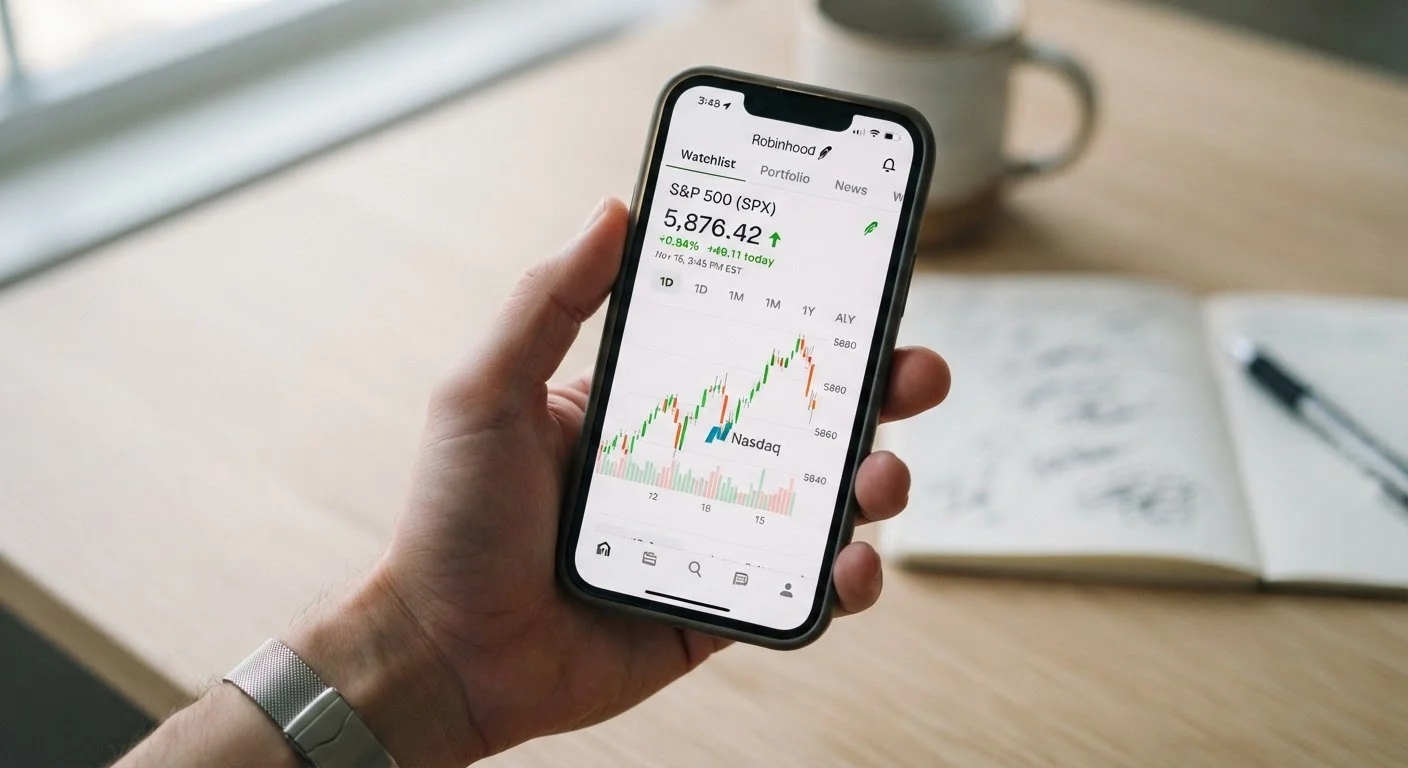
Photo: TotemBuzz.com | Your Lifestyle Companion editorial
Key Takeaways
- Buying individual stocks means owning a direct share in a single company's performance.
- Potential for significant gains exists, but so does the risk of losing your entire investment in that stock.
- Individual stock picking requires ongoing research and emotional discipline that broader funds do not demand.
- Diversification — spreading risk across many holdings — is harder to achieve with individual stocks alone.
- Most financial educators suggest beginners understand foundational concepts before committing to stock picking.
Direct exposure to company growth potential
If a company you invest in expands significantly, your shares can appreciate in value far beyond what a diversified fund might deliver from that single holding. This direct link between business performance and your return is a core appeal.
Dividend income from profitable companies
Some companies distribute a portion of profits to shareholders as dividends — regular cash payments that can provide income even when share prices are flat. Dividend-paying stocks appeal to investors seeking some ongoing return alongside potential price appreciation.
Ability to invest in businesses you understand
Buying shares in an industry you work in or follow closely can give you contextual insight into a company's competitive position, products, and challenges — knowledge that fund investors often lack at the individual holding level.
Ownership and voting rights in the company
Shareholders typically receive voting rights on major company decisions, such as board composition or significant mergers. While individual investors rarely hold enough shares to influence outcomes, the ownership relationship is real and legally recognised.
No ongoing management fees
Unlike managed funds, individual stocks carry no annual management expense ratio. Over long periods, avoiding even small recurring fees can have a compounding effect on overall returns — though transaction costs and taxes still apply.
Concentrated risk in a single company
If the company you've invested in faces scandal, regulatory action, or competitive collapse, the entire value of that holding can erode quickly. Unlike a diversified fund, there are no other holdings to cushion the blow.
Requires significant ongoing research
Responsible stock picking involves reading earnings reports, understanding balance sheets, following industry news, and monitoring management decisions. This is a meaningful time commitment that many beginners underestimate.
Emotional decision-making under market pressure
Watching a single stock drop sharply is psychologically harder than watching a diversified portfolio dip. Panic selling at a loss — or holding too long out of attachment — are documented behavioural patterns among individual investors.
Harder to achieve meaningful diversification
True diversification across sectors, geographies, and asset classes requires either a large capital base or very deliberate allocation. For most beginners, buying a handful of individual stocks does not provide the spread that reduces portfolio-level risk.
Information asymmetry with professional investors
Institutional investors have access to sophisticated analysis tools, management relationships, and faster data. Retail investors are generally working with the same public information, but often with less experience interpreting it.
You can lose your entire investment
Companies do go bankrupt. If a company you hold shares in fails, those shares can become worthless — a risk that is real, even for well-known businesses. This outcome is less likely with a broadly diversified fund.
What Does It Mean to Own an Individual Stock?
When you buy a share of stock, you purchase a small ownership stake in a publicly traded company. If the company grows and becomes more profitable, your shares may rise in value. If it struggles, their value can fall — sometimes dramatically. Unlike a mutual fund or index fund, which holds dozens or hundreds of companies at once, an individual stock ties your outcome directly to a single business.
Before exploring the advantages and drawbacks, it helps to have a handle on the basic vocabulary. Our glossary of key investing terms covers concepts like dividends, market capitalisation, and volatility that come up frequently in this space.
This Is Education, Not Advice
The Advantages of Investing in Individual Stocks
There are genuine reasons why individual stocks attract investors — including those just getting started.
Direct exposure to company growth potential
If a company you invest in expands significantly, your shares can appreciate in value far beyond what a diversified fund might deliver from that single holding. This direct link between business performance and your return is a core appeal.
Dividend income from profitable companies
Some companies distribute a portion of profits to shareholders as dividends — regular cash payments that can provide income even when share prices are flat. Dividend-paying stocks appeal to investors seeking some ongoing return alongside potential price appreciation.
Ability to invest in businesses you understand
Buying shares in an industry you work in or follow closely can give you contextual insight into a company's competitive position, products, and challenges — knowledge that fund investors often lack at the individual holding level.
Ownership and voting rights in the company
Shareholders typically receive voting rights on major company decisions, such as board composition or significant mergers. While individual investors rarely hold enough shares to influence outcomes, the ownership relationship is real and legally recognised.
No ongoing management fees
Unlike managed funds, individual stocks carry no annual management expense ratio. Over long periods, avoiding even small recurring fees can have a compounding effect on overall returns — though transaction costs and taxes still apply.
~90%
Active stock pickers underperforming their benchmark
Research published by S&P Dow Jones Indices consistently finds that the large majority of actively managed U.S. stock funds underperform their benchmark index over 15-year periods.
4%
Stocks responsible for all U.S. market wealth creation
Academic research by professor Hendrik Bessembinder found that just 4% of individual stocks accounted for all net wealth creation in the U.S. stock market from 1926 to 2016, highlighting how rare outperforming picks are.
That said, none of these advantages are guaranteed. Returns depend on company performance, broader market conditions, and the timing of when you buy and sell — factors that are difficult to predict consistently.
The Limitations and Risks to Understand
Every potential upside in stock investing comes with a corresponding risk. Being honest about those limitations is what separates informed investing from speculation.
Concentrated risk in a single company
If the company you've invested in faces scandal, regulatory action, or competitive collapse, the entire value of that holding can erode quickly. Unlike a diversified fund, there are no other holdings to cushion the blow.
Requires significant ongoing research
Responsible stock picking involves reading earnings reports, understanding balance sheets, following industry news, and monitoring management decisions. This is a meaningful time commitment that many beginners underestimate.
Emotional decision-making under market pressure
Watching a single stock drop sharply is psychologically harder than watching a diversified portfolio dip. Panic selling at a loss — or holding too long out of attachment — are documented behavioural patterns among individual investors.
Harder to achieve meaningful diversification
True diversification across sectors, geographies, and asset classes requires either a large capital base or very deliberate allocation. For most beginners, buying a handful of individual stocks does not provide the spread that reduces portfolio-level risk.
Information asymmetry with professional investors
Institutional investors have access to sophisticated analysis tools, management relationships, and faster data. Retail investors are generally working with the same public information, but often with less experience interpreting it.
You can lose your entire investment
Companies do go bankrupt. If a company you hold shares in fails, those shares can become worthless — a risk that is real, even for well-known businesses. This outcome is less likely with a broadly diversified fund.
Concentration risk — putting a large portion of your money into a single company — is one of the most commonly overlooked dangers for new investors. Our article on diversification and why spreading risk matters explains why most investment frameworks treat this as a foundational principle.
New investors also sometimes fall into predictable traps: acting on tips, trading on emotion, or abandoning a position during a temporary dip. If any of those resonate, common early investing errors is worth reading before you make your first trade.
Is Individual Stock Investing Right for You?
There is no universal answer — and anyone who tells you otherwise is oversimplifying. Your financial situation, goals, time horizon, and willingness to monitor holdings all matter. What works for someone with years of experience and disposable capital may be inappropriate for someone still building an emergency fund.
If you're unsure whether you're ready to begin investing at all, a beginner's roadmap to investing lays out foundational steps before stock selection becomes relevant. And if you've been putting off starting because of assumptions about wealth requirements or market timing, common investing myths may address some of those concerns directly.
This article is for general informational and educational purposes only. It does not constitute personalised financial, investment, tax, or legal advice. Please consult a qualified financial adviser before making investment decisions based on your individual circumstances.
The content on this site is for informational purposes only and is not a substitute for professional advice. Always consult a qualified professional for guidance specific to your situation.