
Sleep and Women's Health: How Hormonal Changes Affect Rest at Every Life Stage

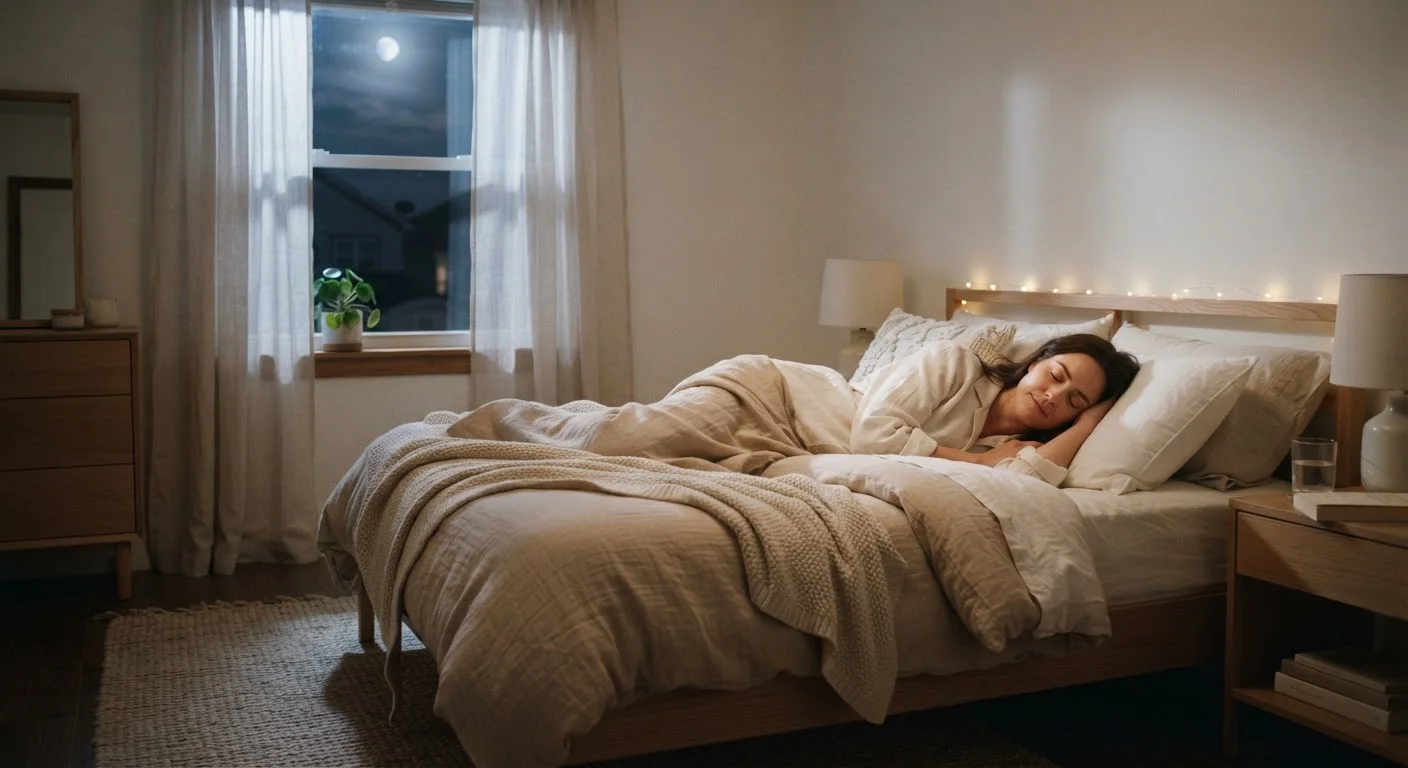
Photo: TotemBuzz.com | Your Lifestyle Companion editorial
Key Takeaways
- Hormonal changes at puberty, during the menstrual cycle, pregnancy, and menopause can all affect sleep quality.
- Estrogen and progesterone play direct roles in regulating how easily the body falls and stays asleep.
- Sleep disruption tied to hormones is common, but it is not something women simply have to endure without support.
- General sleep hygiene habits may help buffer the impact of hormonal fluctuations on rest.
- A healthcare provider can evaluate persistent sleep problems and discuss appropriate options.
Why Women's Sleep Is a Hormonal Story
Sleep isn't one-size-fits-all, and for women, hormones are a major reason why. From the first menstrual cycle through the postmenopausal years, the body's hormonal landscape is constantly shifting — and those shifts ripple outward into nearly every system, including sleep.
To understand the connection, it helps to know the main players. Estrogen supports the regulation of body temperature and influences brain chemicals like serotonin that are tied to mood and sleep. Progesterone has a mild calming effect and can encourage drowsiness. When these hormones are in balance, sleep tends to feel more stable. When they fluctuate sharply or decline — as they do at predictable life stages — rest can suffer. For a broader introduction to how these hormones function, see our beginner's guide to hormonal health.
40%
Women reporting insomnia symptoms
Research published in the journal Sleep Medicine Reviews suggests that women are roughly 40% more likely than men to experience insomnia over their lifetimes, with hormonal transitions cited as a key contributing factor.
85%
Menopausal women experiencing sleep disturbance
Studies estimate that a large majority of women going through menopause report some form of sleep disturbance, with night sweats and hot flashes being among the most commonly reported disruptors.
3 in 4
Pregnant women with disrupted sleep in third trimester
According to sleep research, most pregnant women experience notable sleep disruption by the third trimester, driven by a combination of physical discomfort and hormonal change.
The Menstrual Cycle and Monthly Sleep Shifts
Sleep quality can change noticeably across the four phases of the menstrual cycle. In the days just before menstruation — known as the late luteal phase — progesterone drops sharply. Many women report more fragmented sleep, vivid dreams, and greater difficulty staying asleep during this window. Some also experience mood changes or physical discomfort that compounds sleep difficulties.
Around ovulation, rising progesterone can make some women feel drowsier during the day, even if nighttime sleep seems adequate. These cyclical patterns are well-documented in sleep research, though they vary widely from person to person. If you've ever noticed your mood and sleep seem tangled together around your cycle, our article on hormones and mood during the menstrual cycle explores that connection further.
Track Your Sleep Alongside Your Cycle
Pregnancy: Major Changes, Major Sleep Challenges
Pregnancy brings some of the most dramatic hormonal shifts a body can experience, and sleep rarely escapes unaffected. In the first trimester, surging progesterone often causes daytime fatigue and more frequent nighttime waking. As pregnancy progresses, physical changes — including a growing belly, back discomfort, heartburn, and the need to urinate more frequently — add to the challenge.
In the third trimester, restless leg syndrome and disrupted breathing patterns become more common. Sleep deprivation in late pregnancy is nearly universal, though its severity varies. If you are pregnant and struggling with sleep, this is a conversation worth having with your obstetric care provider rather than something to simply wait out.
This article is for informational purposes only and is not a substitute for professional medical advice. Always consult a qualified healthcare provider about symptoms or concerns related to your health.
Perimenopause and Menopause: When Sleep Changes Become More Persistent
For many women, the most significant sleep disruptions arrive during perimenopause — the transitional phase leading up to menopause — and continue into menopause itself. Estrogen decline during this time is associated with hot flashes and night sweats, which can wake a person multiple times per night. Even when a woman doesn't fully wake, these events may fragment sleep enough to reduce its restorative quality.
Lower estrogen is also linked to increased risk of obstructive sleep apnea (a condition where breathing temporarily stops during sleep) and to mood changes that can make falling asleep harder. If you're unsure what distinguishes perimenopause from menopause itself, our article on perimenopause vs. menopause offers a clear overview. Sleep problems during this life stage are common, but they are treatable — a healthcare provider can discuss options suited to your health history.
General Habits That May Help — And When to Seek Support
No lifestyle habit can fully override significant hormonal changes, but certain practices can reduce unnecessary barriers to sleep at any life stage. Keeping a consistent sleep schedule — waking and going to bed at roughly the same time each day — supports the body's internal clock. Keeping the bedroom cool can be especially helpful for women experiencing hot flashes. Reducing caffeine in the afternoon and limiting screen exposure before bed are broadly supported by sleep research.
It's also worth noting that sleep and mental health are deeply intertwined. Poor sleep can worsen anxiety and low mood, which in turn makes sleep harder. Our article on sleep and mental health explores that cycle in more depth. If sleep problems persist beyond a few weeks or are affecting daily life, speaking with a healthcare provider is the most important next step. They can help determine whether hormonal factors, a sleep disorder, or something else is at the root — and what approaches may be appropriate for your specific situation.
Sleep Struggles Are Not a Personal Failing
Frequently Asked Questions
The content on this site is for informational purposes only and is not a substitute for professional advice. Always consult a qualified professional for guidance specific to your situation.