
Myths About Birth Control That Are Still Widely Believed

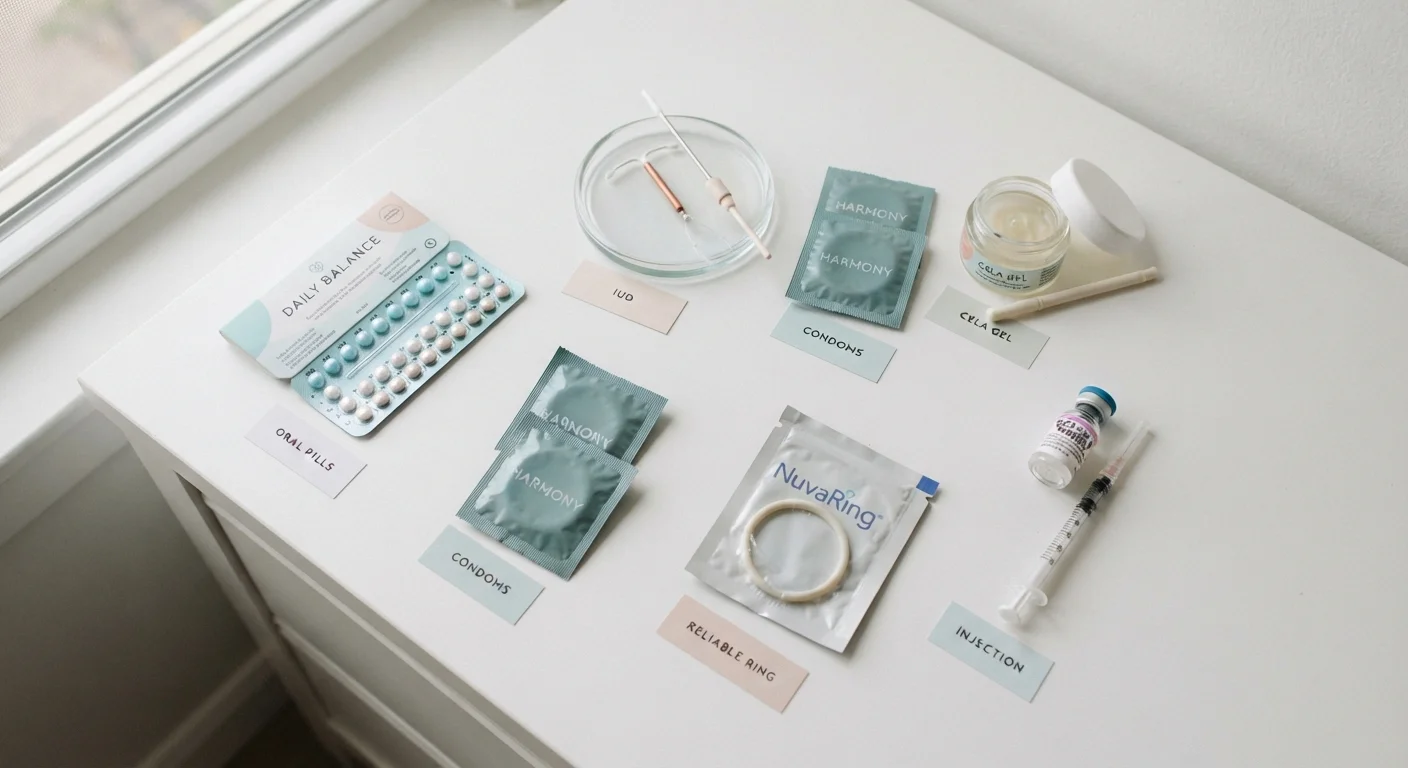
Photo: TotemBuzz.com | Your Lifestyle Companion editorial
Key Takeaways
- Birth control pills do not cause long-term fertility problems after stopping use.
- Hormonal contraceptives are not only for pregnancy prevention — they serve several medical purposes.
- No contraceptive method is 100% effective; correct and consistent use matters significantly.
- Emergency contraception is not the same as an abortion pill — they work differently.
- Discussing contraception options with a healthcare provider leads to more informed, personalized decisions.
Why Birth Control Myths Persist
Conversations about contraception have long been shaped by cultural stigma, incomplete sex education, and word-of-mouth misinformation. As a result, many people — including adults who have used birth control for years — carry inaccurate beliefs that can influence their choices and even their health outcomes.
This article looks at some of the most widely held myths about birth control and replaces them with what well-established medical evidence actually says. It is intended as general health information only, not medical advice. Anyone considering or currently using contraception should speak with a qualified healthcare provider about what is right for their individual situation.
If you enjoy fact-checking common beliefs, you may also find it useful to explore our guide to common fitness myths — a similar approach applied to exercise misconceptions.
Myth
The pill causes permanent or long-term infertility after you stop taking it.
Fact
Fertility typically returns within a few months of stopping hormonal birth control pills, though individual timelines vary.
This is one of the most enduring concerns about oral contraceptives. Research consistently shows that for most people, ovulation resumes relatively quickly after discontinuing the pill — often within one to three menstrual cycles. Any delay in return of fertility is usually brief. If pregnancy does not occur within a year of trying, that warrants a conversation with a healthcare provider, but the pill itself is not typically the cause.
Myth
Hormonal birth control is only used to prevent pregnancy.
Fact
Healthcare providers prescribe hormonal contraceptives for a range of medical reasons beyond pregnancy prevention.
Hormonal methods such as the pill, patch, or hormonal IUD are commonly used to manage conditions including endometriosis, polycystic ovary syndrome (PCOS), painful or irregular periods, and acne. The decision to use hormonal contraception for any of these purposes should always involve a thorough discussion with a healthcare provider who can weigh benefits and risks for the individual.
Myth
Emergency contraception (the morning-after pill) is the same as an abortion pill.
Fact
Emergency contraception works primarily by preventing or delaying ovulation — it does not terminate an established pregnancy.
The confusion between emergency contraception and medication abortion is widespread and important to address. Emergency contraception (such as levonorgestrel-based pills) is designed to be taken after unprotected sex to reduce the chance of pregnancy occurring. Medication abortion, by contrast, is a different set of drugs used to end an already-established pregnancy and is only available through a healthcare provider under specific clinical circumstances. These are distinct medical interventions.
Myth
You need to take a 'break' from the pill every few years to let your body reset.
Fact
There is no established medical basis for mandatory breaks from hormonal birth control to 'reset' the body.
The idea of a necessary hormone break is not supported by mainstream medical evidence. Healthcare providers may discuss changing methods over time based on an individual's health history, age, or changing needs — but taking an unplanned break introduces unintended pregnancy risk without a corresponding health benefit for most users. If you have concerns about long-term use, your provider is the right person to consult.
Myth
Condoms provide complete protection against all sexually transmitted infections (STIs).
Fact
Condoms significantly reduce STI risk but do not eliminate it entirely, particularly for infections spread through skin-to-skin contact.
When used correctly and consistently, condoms are highly effective at reducing transmission of many STIs, including HIV and gonorrhea. However, infections spread through skin contact — such as herpes or HPV — can still be transmitted in areas not covered by a condom. Combining condoms with regular STI testing and open communication with partners provides the most comprehensive approach to sexual health.
Myth
Birth control pills protect against sexually transmitted infections.
Fact
Hormonal contraceptives of any kind do not offer any protection against STIs.
This myth is potentially harmful because it may lead some people to forgo barrier methods like condoms when using the pill or other hormonal options. Hormonal contraceptives affect ovulation and the uterine environment — they have no effect on the transmission of viral or bacterial infections. For STI prevention, barrier methods remain the most accessible tool.
Understanding the Bigger Picture
Myths about contraception rarely exist in isolation — they are often tied to broader misunderstandings about how reproductive health works. For a fuller picture of how fertility and reproductive cycles function, our article on fertility awareness and the reproductive window offers a grounded, non-prescriptive overview.
~91%
Typical-use effectiveness of the pill
According to the CDC, with typical use (not perfect use), oral contraceptive pills are about 91% effective at preventing pregnancy in a given year.
~99%
Perfect-use effectiveness of the pill
With perfect use — meaning the pill is taken consistently and correctly every day — effectiveness rises to approximately 99%, per CDC data.
If a myth you've heard isn't covered here, that's a good reason to bring it up with your doctor or a certified health educator. Reliable, individualized guidance will always outperform general articles — including this one.
Misinformation Can Have Real Consequences
This article is for general informational and educational purposes only and does not constitute medical advice. Always consult a qualified healthcare professional before making decisions about contraception or any aspect of your reproductive health.
The content on this site is for informational purposes only and is not a substitute for professional advice. Always consult a qualified professional for guidance specific to your situation.