
Stretching Before vs. After Exercise: What the Research Suggests

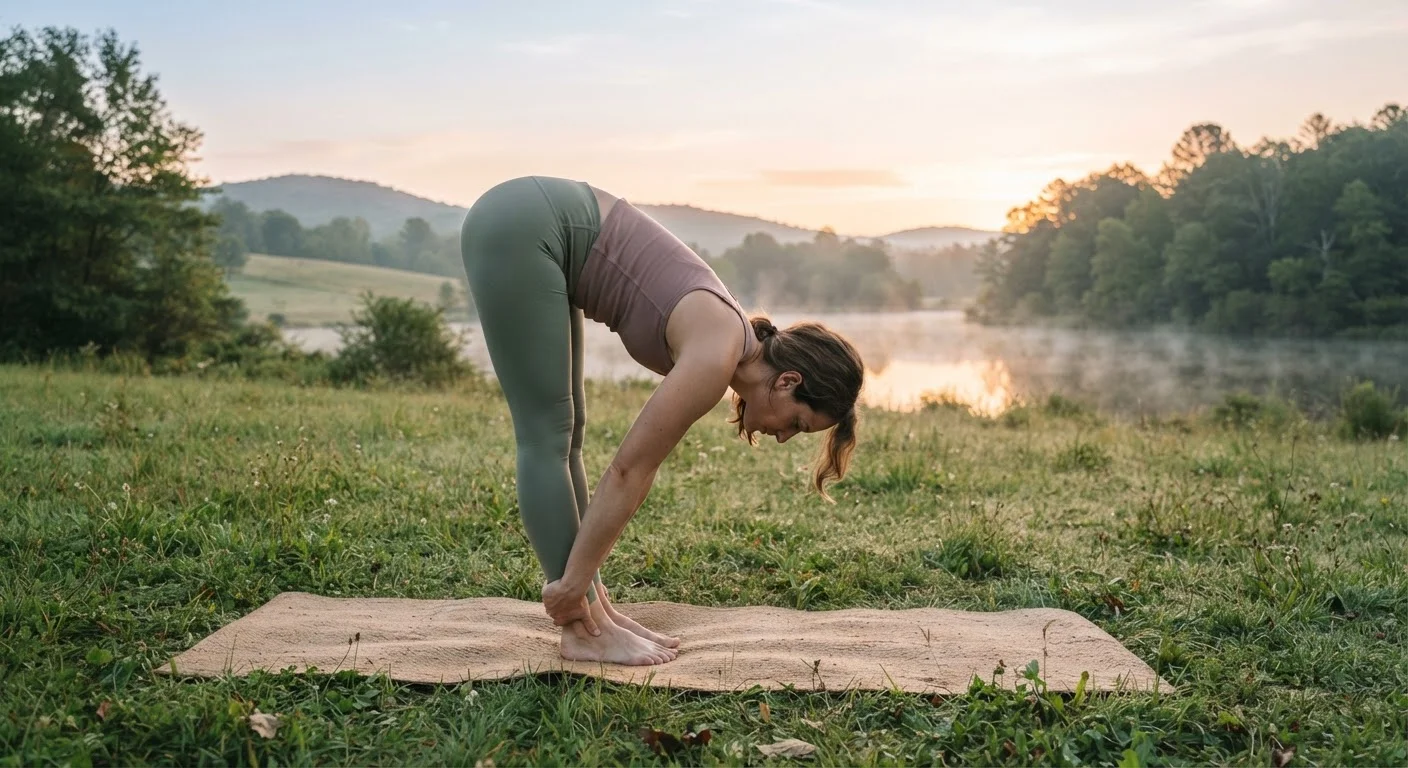
Photo: TotemBuzz.com | Your Lifestyle Companion editorial
Key Takeaways
- Dynamic stretching — controlled, moving stretches — is generally better suited before a workout.
- Static stretching — holding a position — is more appropriate after exercise when muscles are warm.
- Research suggests static stretching before exercise may temporarily reduce muscle strength and power.
- A proper warm-up that includes light aerobic movement prepares the body more effectively than static holds alone.
- Always consult a qualified healthcare or fitness professional before starting a new exercise routine.
Why the Timing of Stretching Matters
For many beginners, stretching feels like a single, straightforward habit — something you just do before or after a workout. In reality, the type of stretching and when you do it can make a meaningful difference in how your body responds to exercise.
Researchers distinguish primarily between two stretching styles. Static stretching involves holding a single position — such as reaching for your toes — for a set period, typically 15 to 60 seconds. Dynamic stretching uses controlled, rhythmic movements through a full range of motion, like leg swings or arm circles. Each has a different effect on your muscles depending on when it is applied.
Understanding these differences does not require a fitness background. It simply means knowing a little about what your muscles need before and after effort.
| Criterion | Before Exercise | After Exercise |
|---|---|---|
| Best stretch type | Dynamic stretching | Static stretching |
| Muscle temperature | Cool or warming up | Warm and pliable |
| Effect on performance | Dynamic: neutral to positive; static: may reduce short-term power | Not applicable; activity is complete |
| Flexibility benefits | Limited evidence for pre-workout gains | More favorable conditions for flexibility improvement |
| Soreness prevention | Not strongly supported by evidence | Not strongly supported by evidence |
| Duration guidelines | 5–10 minutes of dynamic movement | 5–10 minutes of static holds (15–60 sec each) |
What Research Says About Stretching Before Exercise
A significant body of research has examined whether static stretching before exercise helps or hinders performance. The findings are nuanced but consistent enough to inform practical guidance.
Multiple studies, including reviews published in sports science literature, suggest that prolonged static stretching immediately before activity may temporarily reduce muscle strength, power, and reaction speed. This effect is generally small and short-lived, but it is worth noting — particularly for activities requiring explosive effort.
Dynamic stretching, by contrast, appears better suited as a pre-exercise routine. Movements like high knees, hip circles, or gentle walking lunges gradually elevate your heart rate, increase blood flow to muscles, and improve joint mobility without the temporary performance drawbacks of static holds.
~8%
Potential short-term strength reduction from prolonged pre-exercise static stretching
A meta-analysis in the Scandinavian Journal of Medicine & Science in Sports found acute muscle strength could be reduced by roughly 5–8% following prolonged static stretching before activity.
60 seconds
Threshold at which static stretch effects become more noticeable
Research suggests that holding individual static stretches for longer than 60 seconds before exercise is more likely to affect muscle performance than shorter holds.
The practical takeaway for beginners: if you want to stretch before a workout, favor movements that mimic the activity you are about to do, starting gently and building gradually.
What Research Says About Stretching After Exercise
Post-exercise is where static stretching tends to shine. After a workout, your muscles are warm, blood flow is elevated, and tissue is more pliable — conditions that make holding a stretched position more comfortable and potentially more effective.
Research suggests that consistent post-exercise static stretching may support improvements in flexibility over time, though the magnitude of benefit varies between individuals and depends on regularity. It also contributes to a calmer physiological state: slower breathing and reduced heart rate, which are natural parts of a healthy cool-down.
It is important to be clear about what stretching after exercise does not do. Current evidence does not strongly support the idea that post-workout stretching prevents delayed onset muscle soreness (DOMS) — the stiffness you might feel one to two days after an intense session. That soreness is primarily a result of micro-level muscle adaptation, not a flexibility deficit.
Stretching and Muscle Soreness: A Common Misconception
Still, finishing a workout with five to ten minutes of calm static stretching is a low-risk habit that many people find helpful for transitioning their body and mind from exertion to rest.
This article provides general health information for educational purposes only and is not a substitute for advice from a qualified healthcare or fitness professional. If you have any injuries, chronic conditions, or specific health concerns, please consult a professional before beginning a new exercise routine.
The content on this site is for informational purposes only and is not a substitute for professional advice. Always consult a qualified professional for guidance specific to your situation.