
Testosterone: What It Actually Does and Why It Declines

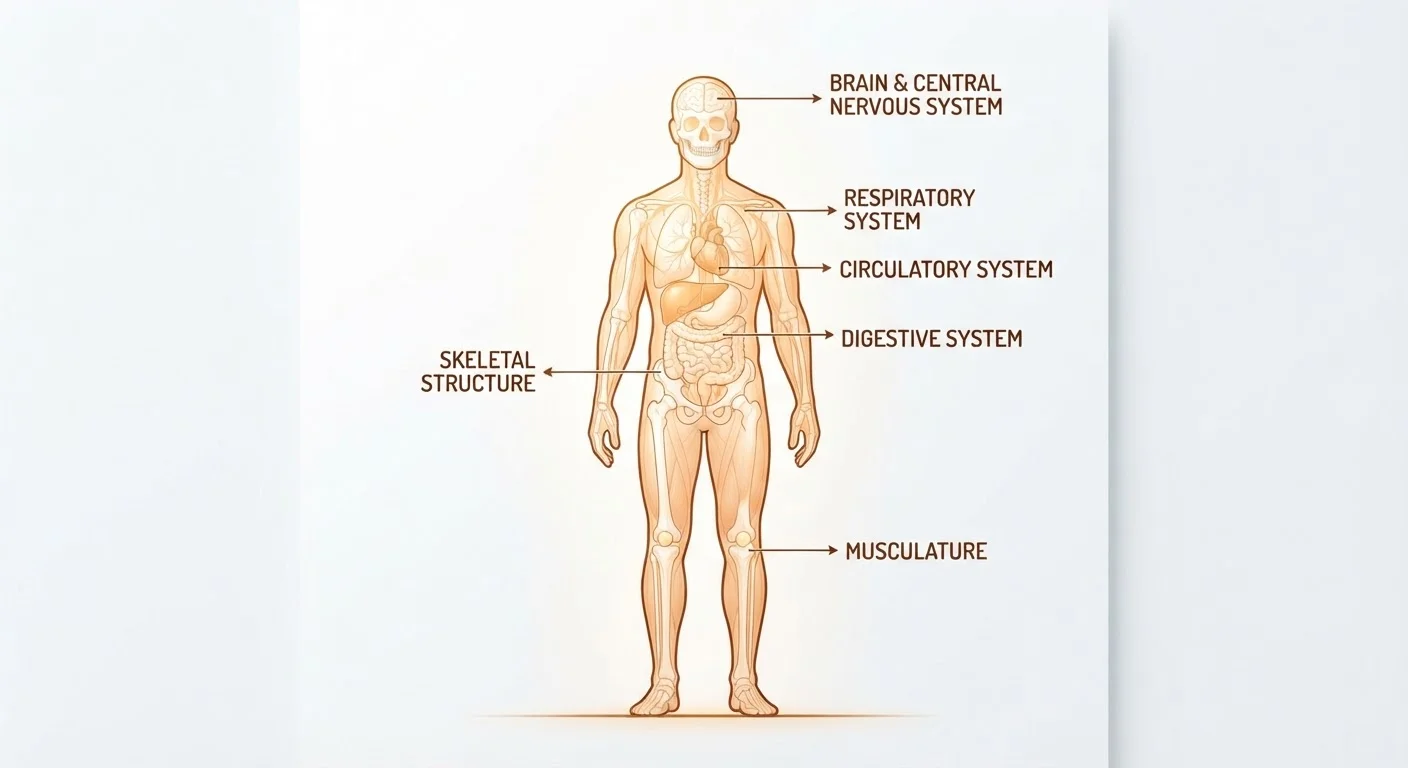
Photo: TotemBuzz.com | Your Lifestyle Companion editorial
Key Takeaways
- Testosterone affects muscle, bone, mood, energy, and reproductive function — not just sex drive.
- Levels naturally peak in early adulthood and gradually decline by roughly 1–2% per year after age 30.
- Lifestyle factors like poor sleep, chronic stress, and excess body fat can accelerate decline.
- Low testosterone symptoms overlap with many other conditions, so a blood test is essential for diagnosis.
- A healthcare provider should guide any decisions about treatment or hormone therapy.
What Testosterone Actually Does in the Body
Most people know testosterone as the hormone behind sex drive and muscle — but its reach is much broader. Testosterone plays a key role in regulating bone density, red blood cell production, fat distribution, mood, and cognitive function. It's active from before birth through every stage of adult life.
During puberty, testosterone drives the development of physical characteristics such as a deeper voice, body hair, and increased muscle mass. In adulthood, it continues to maintain those systems. When levels are adequate, men generally feel energetic, maintain muscle more easily, have a stable mood, and experience healthy sexual function.
It's also worth noting that testosterone doesn't work in isolation. It interacts with other hormones constantly. For a broader picture of how hormones influence your daily well-being, our beginner's guide to hormonal health offers a helpful foundation.
~1–2%
Annual testosterone decline after age 30
This rate is cited in endocrinology literature as a general estimate for the natural age-related decrease in total testosterone.
~40%
Of men over 45 may have low testosterone
Research published in the International Journal of Clinical Practice estimated that a significant proportion of middle-aged men meet criteria for low testosterone, though many go undiagnosed.
15%
Drop in testosterone after one week of sleep restriction
A study published in JAMA found that healthy young men who slept fewer than five hours per night for one week showed a 10–15% reduction in daytime testosterone levels.
Why Testosterone Declines — and What Speeds It Up
A gradual decline in testosterone after age 30 is a normal part of male aging. This slow, steady decrease is sometimes called andropause or late-onset hypogonadism when it produces noticeable symptoms. For many men, the change is subtle and may go unnoticed for years.
However, several factors can accelerate this natural decline:
- Chronic sleep deprivation: Most testosterone production occurs during deep sleep. Consistently short or disrupted sleep can meaningfully suppress levels. Our article on sleep and men's health explores this connection in more detail.
- Elevated chronic stress: The stress hormone cortisol competes with testosterone. Prolonged stress can suppress testosterone production through the body's hormonal feedback systems.
- Excess body fat: Fat tissue converts testosterone into estrogen through a process called aromatisation. Higher body fat, particularly around the abdomen, is associated with lower testosterone.
- Sedentary lifestyle: Physical inactivity, especially a lack of resistance training, is linked to lower testosterone over time.
- Certain medical conditions: Conditions such as type 2 diabetes, obesity, and some thyroid disorders are associated with lower testosterone levels.
Small Changes Can Make a Real Difference
Recognising the Symptoms — and When to See a Doctor
The symptoms of low testosterone are easy to overlook or attribute to aging or stress. They can include persistent fatigue, reduced sex drive, difficulty building or retaining muscle, increased body fat, mood changes, and concentration difficulties. Some men also notice changes in sleep quality or bone density over time.
The challenge is that these symptoms overlap significantly with other conditions — including depression, thyroid problems, and sleep disorders. This is why self-diagnosing low testosterone isn't reliable. A simple blood test measuring total testosterone (and sometimes free testosterone) is needed to understand what's actually happening.
If you're experiencing several of these symptoms regularly, it's worth having a conversation with a healthcare provider. This fits naturally within the broader framework of proactive men's health — something covered well in our men's health foundation guide.
Supporting Healthy Testosterone Through Lifestyle
While no lifestyle habit can guarantee a specific hormone level, several evidence-supported habits are linked to healthier testosterone over time. Resistance training — lifting weights or doing bodyweight exercises — has consistently been associated with supporting testosterone in research. Our look at cardio vs. strength training can help you understand how different exercise types work for men's health.
Beyond exercise, prioritising quality sleep, managing stress through sustainable practices, and maintaining a balanced diet that includes adequate zinc and vitamin D are commonly recommended general strategies. These aren't cures for clinically low testosterone, but they form a meaningful foundation for hormonal health at any age.
If a doctor confirms low testosterone through testing, they may discuss options including testosterone replacement therapy (TRT). This is a medical decision with potential benefits and risks that vary by individual — it should never be self-administered or initiated without proper medical supervision.
Testosterone and Prostate Health
This article is for general informational purposes only and does not constitute medical advice. Always consult a qualified healthcare professional for concerns about your hormone levels or any symptoms you are experiencing.
Frequently Asked Questions
The content on this site is for informational purposes only and is not a substitute for professional advice. Always consult a qualified professional for guidance specific to your situation.