
Prostate Health Explained: What Every Man Should Understand Early

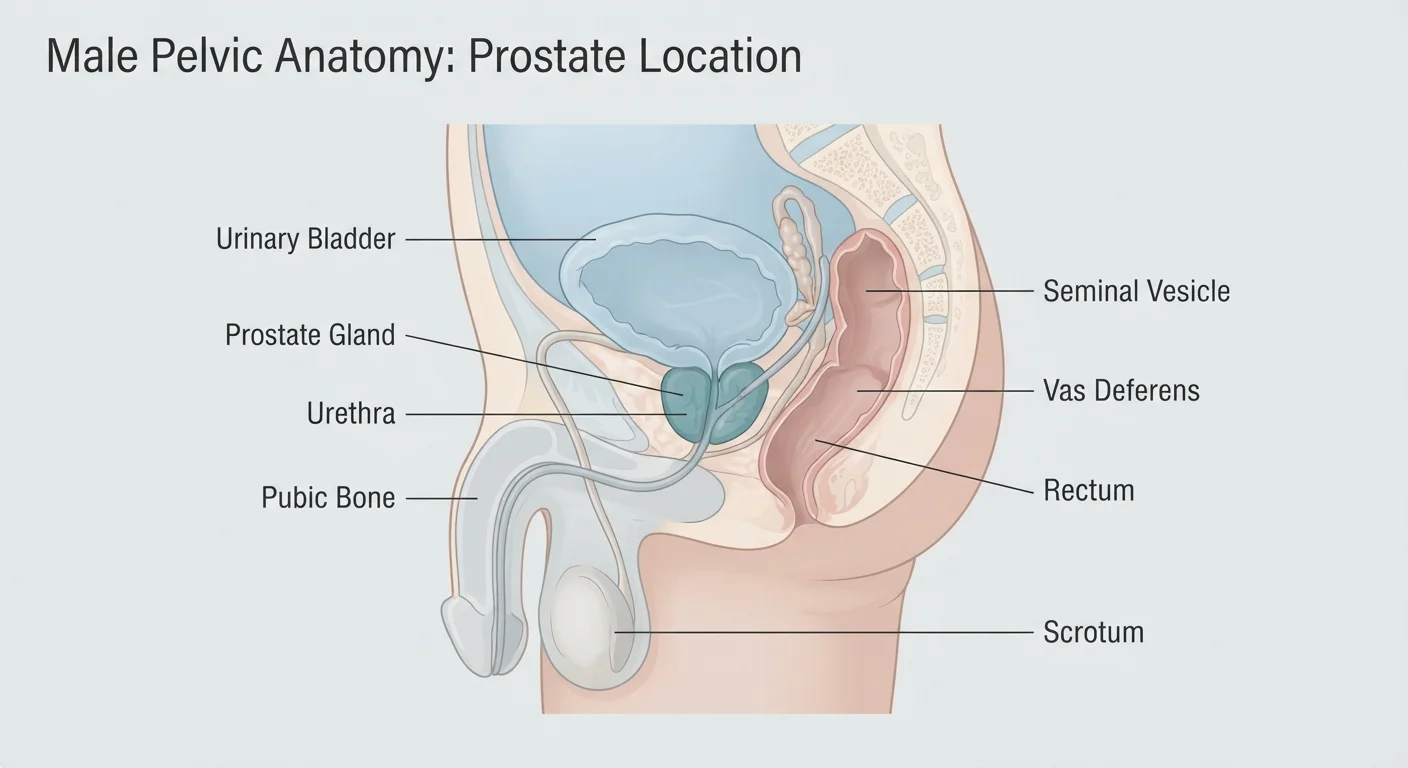
Photo: TotemBuzz.com | Your Lifestyle Companion editorial
Key Takeaways
- The prostate is a small gland that plays a role in both reproduction and urination.
- Benign prostatic hyperplasia (BPH) is a non-cancerous enlargement that becomes more common with age.
- Prostate cancer is one of the most common cancers in men, but it is often slow-growing and treatable when detected early.
- PSA screening conversations typically begin around age 50 for average-risk men, earlier for those with risk factors.
- Most urinary changes are not emergencies, but they are worth discussing with a doctor.
What the Prostate Actually Does
Many men reach middle age without ever learning much about their prostate — until a symptom appears or a doctor brings it up at a checkup. That's understandable, but getting familiar with this small gland earlier makes those conversations much easier to navigate.
The prostate sits just below the bladder and wraps around the urethra. During ejaculation, it produces a fluid that mixes with sperm to form semen. Because of its location encircling the urethra, even modest changes in prostate size can affect urination — which is why so many prostate-related symptoms show up in the bathroom first.
For a broader look at how body awareness fits into everyday wellbeing, see our beginner's guide to physical health.
Know Your Family History Before Your Appointment
The Most Common Prostate Conditions
Three conditions account for most prostate-related health concerns: prostatitis, benign prostatic hyperplasia (BPH), and prostate cancer. Understanding the difference helps reduce unnecessary alarm.
Prostatitis
Prostatitis is inflammation of the prostate, sometimes caused by a bacterial infection. It can produce pelvic discomfort, pain during urination, or flu-like symptoms. It affects men of all ages and is generally treatable. A doctor can determine whether antibiotics or other approaches are appropriate.
Benign Prostatic Hyperplasia (BPH)
BPH is a non-cancerous enlargement of the prostate that becomes increasingly common as men age. By their 60s, a significant portion of men experience some degree of BPH. Symptoms can include a frequent urge to urinate, a weak stream, or incomplete bladder emptying. BPH is not cancer and does not cause cancer, though both can coexist.
Prostate Cancer
Prostate cancer is one of the most commonly diagnosed cancers in American men. The encouraging reality is that many prostate cancers grow slowly and, when detected early, have favorable outcomes. However, some forms are aggressive, which is why early discussion with a doctor matters. Prostate cancer often causes no symptoms in its early stages — another reason why screening conversations are important.
1 in 8
Men diagnosed with prostate cancer in their lifetime
According to the American Cancer Society, prostate cancer is the most common cancer among American men after skin cancer.
~50%
Men over 50 with some degree of BPH
The National Institute of Diabetes and Digestive and Kidney Diseases estimates BPH affects a significant share of men by their 50s, rising with each decade.
>97%
5-year relative survival rate for localized prostate cancer
The American Cancer Society reports that when prostate cancer is caught before it spreads beyond the gland, survival rates are favorable.
Screening: When the Conversation Typically Begins
The primary screening tool for prostate cancer is the PSA (prostate-specific antigen) blood test, sometimes combined with a digital rectal exam (DRE). PSA is a protein produced by both normal and abnormal prostate tissue; elevated levels can signal several conditions, not just cancer.
Major medical organizations differ slightly in their screening recommendations, but a common framework is:
- Age 50 for men at average risk with at least a 10-year life expectancy
- Age 40–45 for men at higher risk — including those with a first-degree relative diagnosed with prostate cancer, or African American men, who statistically face higher rates of prostate cancer
Screening is not a one-size-fits-all decision. A PSA result above a certain level doesn't automatically mean cancer — it means further evaluation is needed. Your doctor can walk you through what results mean in context. See our overview of preventive screenings every man should know about for a broader picture of recommended health checks.
PSA Levels Aren't a Simple Pass or Fail
Symptoms Worth Mentioning to Your Doctor
Prostate issues often first show up as urinary changes. None of the following symptoms confirm a diagnosis on their own — they simply indicate it's worth having a conversation with a healthcare provider:
- Needing to urinate more often than usual, especially at night
- Difficulty starting or stopping urination
- A weak, slow, or interrupted urine stream
- A feeling that the bladder hasn't fully emptied
- Blood in the urine or semen (seek prompt medical attention for this)
- Discomfort in the pelvic area or lower back
It's easy to dismiss these as just aging. Sometimes they are related to aging — but they can also be treatable. The annual health checklist for men is a useful reference for knowing which topics to raise at your next appointment.
This article is for general informational and educational purposes only and is not a substitute for professional medical advice, diagnosis, or treatment. Always consult a qualified healthcare provider with any questions you have about your health or a medical condition.
Frequently Asked Questions
The content on this site is for informational purposes only and is not a substitute for professional advice. Always consult a qualified professional for guidance specific to your situation.